Naphtha Cracker Economics: Understanding the Margin Structure
Introduction
Naphtha crackers are the backbone of the global petrochemical industry, converting hydrocarbon feedstocks into essential building blocks such as ethylene, propylene, butadiene, benzene, and pyrolysis gasoline. These intermediates are then transformed into plastics, synthetic rubbers, fibers, solvents, and countless industrial and consumer products.
The profitability of a naphtha cracker depends on a complex margin structure influenced by feedstock costs, product prices, operating efficiency, and market demand. For petrochemical producers, investors, and procurement professionals, understanding these economics is essential for anticipating polymer pricing, evaluating supply trends, and making informed sourcing decisions.
This guide explains how naphtha cracker margins are generated, the factors that influence profitability, and why these margins matter throughout the petrochemical value chain.
What Is a Naphtha Cracker?
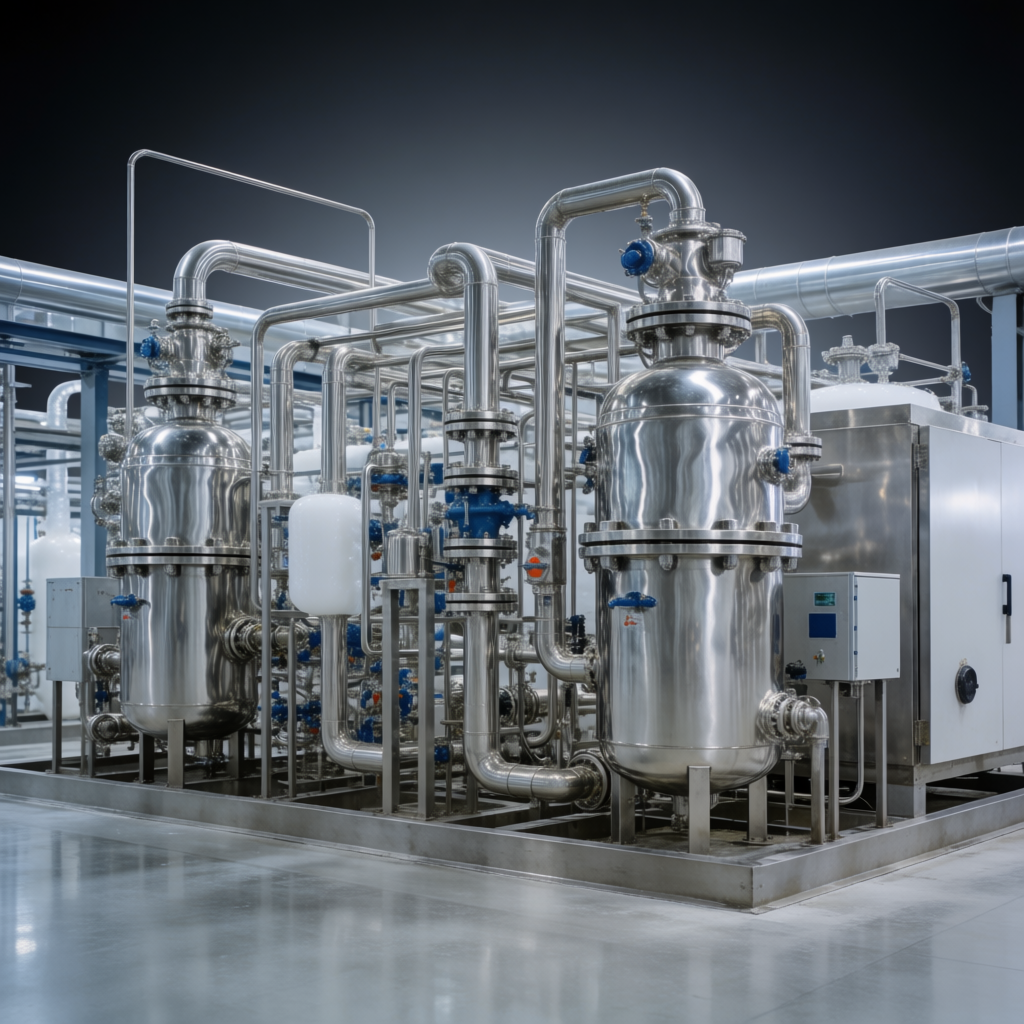
A naphtha cracker is a large-scale petrochemical facility that uses steam cracking to break down naphtha—a light petroleum fraction—into smaller hydrocarbon molecules.
Its primary outputs include:
Ethylene
Propylene
Butadiene
Benzene
Toluene
Xylenes
Pyrolysis gasoline
Hydrogen
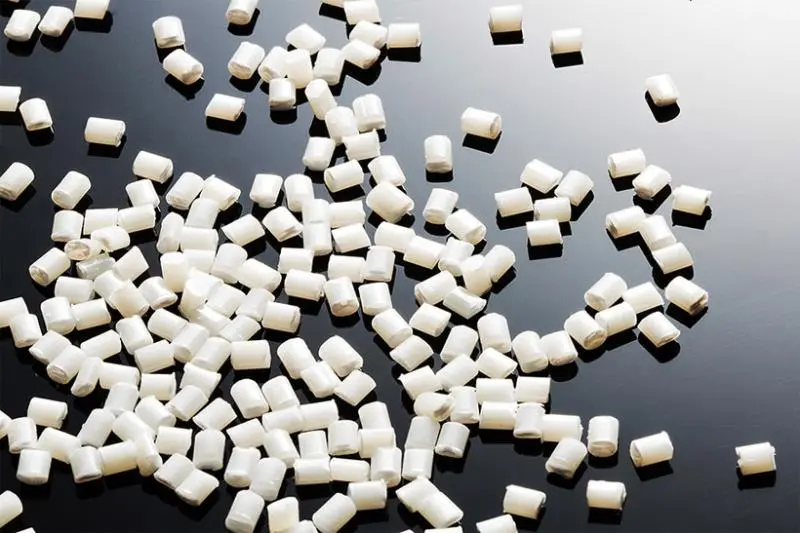
These products serve as the raw materials for manufacturing polyethylene (PE), polypropylene (PP), PVC, styrene, synthetic fibers, engineering plastics, and numerous specialty chemicals.
What Is Cracker Margin?
The cracker margin represents the difference between the value of the petrochemical products produced and the total cost of producing them.
In simple terms:
Cracker Margin = Value of Products Produced − Feedstock Costs − Operating Costs
A positive margin indicates profitable operations, while a compressed margin may reduce production incentives or encourage maintenance shutdowns.
Components of the Margin Structure
Understanding cracker economics requires analyzing each component of the cost and revenue structure.
1. Feedstock Costs
Feedstock is the largest operating expense for most naphtha crackers.
Major cost drivers include:
Crude oil prices
Naphtha market prices
Transportation costs
Import duties
Storage expenses
Since naphtha prices are closely linked to crude oil markets, fluctuations in oil prices directly influence production costs.
2. Product Yield
Not every tonne of naphtha produces the same mix of petrochemical products.
Typical outputs include:
Ethylene
Propylene
Butadiene
Aromatics
Hydrogen
Fuel by-products
The product yield depends on:
Facilities with higher yields of high-value products generally achieve stronger margins.
3. Product Prices
Revenue depends on the market prices of downstream petrochemical products.
Key pricing factors include:
Higher prices for ethylene and propylene derivatives generally improve cracker profitability.
4. Operating Costs
Operating expenses include:
Energy consumption
Steam generation
Electricity
Maintenance
Labor
Catalysts
Utilities
Environmental compliance
Energy efficiency plays an important role in maintaining competitive operating costs.
5. By-Product Credits
Many by-products generated during steam cracking have significant commercial value.
Examples include:
Hydrogen
Pyrolysis gasoline
Benzene
Fuel gas
Butadiene
Revenue from these products helps improve overall plant economics and partially offsets production costs.
Factors That Influence Cracker Margins
Several market variables influence profitability.
Crude Oil Prices
Higher crude oil prices generally increase naphtha costs, potentially reducing margins unless downstream product prices rise accordingly.
Polymer Demand
Strong demand for polyethylene, polypropylene, and other derivatives supports higher petrochemical prices and improved cracker economics.
Feedstock Availability
Reliable access to competitively priced naphtha improves operational stability.
Regional Competition
Competition from ethane-based crackers, propane dehydrogenation (PDH) plants, and integrated petrochemical complexes influences market pricing.
Plant Operating Rates
High operating rates improve fixed-cost efficiency, while unplanned shutdowns reduce profitability.
Why Cracker Economics Matter to Buyers
Although procurement teams rarely purchase cracker output directly, cracker margins influence the pricing and availability of many downstream products.
Industries affected include:
Packaging
Automotive
Healthcare
Pharmaceuticals
Construction
Consumer goods
Agriculture
Electronics
Understanding margin trends helps buyers anticipate future market conditions.
Procurement Implications
Procurement professionals should monitor cracker economics as part of broader market intelligence.
Recommended practices include:
Track crude oil and naphtha price trends.
Monitor planned refinery and cracker maintenance schedules.
Review ethylene and propylene market developments.
Diversify suppliers across multiple regions.
Compare domestic and imported material using total landed cost.
Include pricing flexibility in long-term contracts.
Maintain strategic inventory during periods of market volatility.
These measures help organizations manage procurement risks more effectively.
Emerging Trends in Cracker Economics
The petrochemical industry continues to evolve through technological and market developments.
Key trends include:
Integration of refinery and petrochemical operations
Greater feedstock flexibility through dual-feed crackers
Increased energy efficiency
Digital optimization of plant operations
Investment in lower-carbon production technologies
Growing focus on circular plastics and chemical recycling
These trends are reshaping long-term competitiveness across the global petrochemical industry.
Looking Ahead
Global demand for polymers is expected to remain strong over the coming decade, particularly in emerging economies. However, profitability will continue to depend on balancing feedstock costs, operating efficiency, product demand, and regional competition.
New integrated petrochemical projects, improvements in process technology, and greater feedstock flexibility are expected to influence cracker margins and reshape global supply patterns. Procurement teams that closely monitor these developments will be better positioned to anticipate pricing trends and make informed sourcing decisions.
Conclusion
Naphtha cracker economics extend far beyond refinery operations—they influence the cost and availability of many of the world's most important petrochemical products. Understanding how feedstock prices, product yields, operating costs, and market demand interact provides valuable insight into polymer pricing and supply chain dynamics.
For procurement professionals, knowledge of cracker margin structures supports better sourcing decisions, stronger supplier negotiations, and more effective risk management. By incorporating market intelligence into procurement strategies, organizations can improve resilience and respond more confidently to changing conditions across the global petrochemical industry.