Naphtha Delivery Constraints Spread Across Germany's Petrochemical Cluster
The German petrochemical cluster is experiencing a synchronized operational contraction as severe logistical bottlenecks on the Rhine River restrict essential feedstock flows. Insufficient naphtha deliveries via barge have directly reduced the output of ethylene, propylene, crude C4, and their downstream derivatives across multiple major production sites. Procurement managers and industrial buyers must recognize this as a systemic supply chain shock, not an isolated operational hiccup. When the primary logistical artery of Europe’s largest chemical hub is compromised, the ripple effects are immediate and widespread. Buyers relying on these foundational building blocks need to anticipate severe allocation limits, extended lead times, and potential force majeure declarations. Understanding the mechanics of this hydrological crisis allows sourcing teams to build resilient contingency plans. Ignoring these supply chain fractures exposes organizations to severe production delays and margin compression. Strategic agility is now essential for navigating this complex market environment.
The Mechanics of the Naphtha Bottleneck
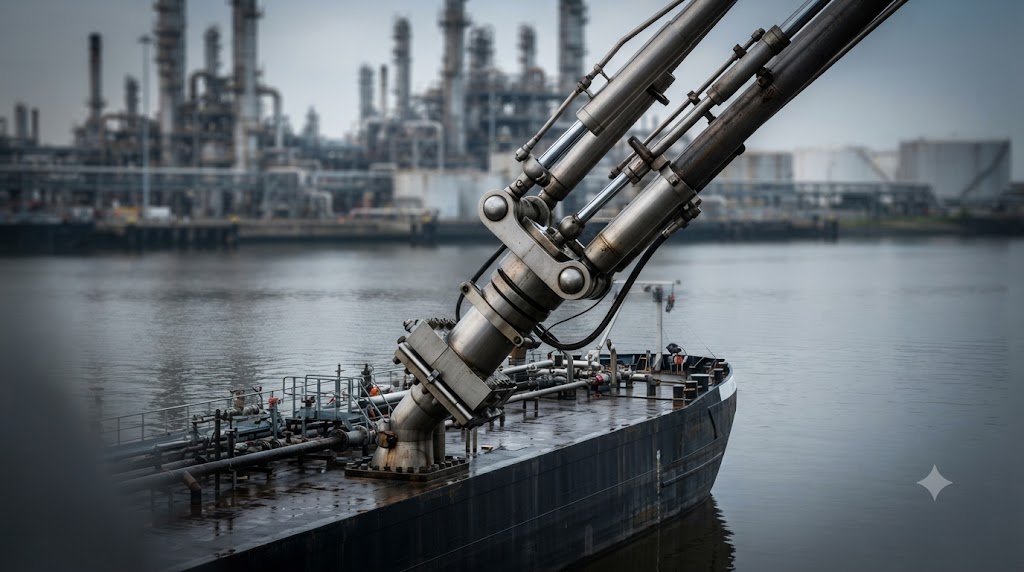
Inland waterways are the lifeblood of the German chemical industry, offering the most cost-effective method for transporting massive volumes of bulk liquids. Barges traditionally move naphtha from coastal ports like Rotterdam to inland steam crackers at a fraction of the cost of rail or road transport.
However, record-low water levels on the Rhine drastically reduce the allowable draft for these vessels. To avoid grounding, operators must significantly lighten their loads, sometimes by up to 50 percent. This restriction instantly inflates per-ton shipping costs and creates a massive logistical backlog, as more trips are required to move the same volume of feedstock.
Crucially, rail and truck networks lack the capacity to absorb this displaced volume. The infrastructure simply cannot scale to replace the throughput of a major barge fleet. Consequently, steam crackers are forced to throttle back production to match the constrained feedstock availability, directly impacting the yield of primary olefins.
Cascading Effects on Downstream Derivatives
The reduction in steam cracker output sends immediate shockwaves through the entire derivative value chain. Ethylene and propylene are the foundational monomers for the global plastics industry. A shortage at the cracker level instantly translates to tightness in polyethylene (PE), polypropylene (PP), and various glycol markets.
Similarly, the reduction in crude C4 output directly starves butadiene extraction units, which we have already seen trigger force majeure events in the synthetic rubber sector.
Procurement teams must anticipate a domino effect of shortages:
Polymer Producers: Face immediate feedstock rationing, leading to stricter allocation policies for downstream converters in packaging and automotive sectors.
Specialty Chemical Manufacturers: Solvent and intermediate producers relying on steady propylene or benzene flows must halt or slow production, creating secondary shortages.
Spot Market Volatility: As contracted volumes are prioritized, the uncontracted spot market experiences extreme price spikes as buyers compete for the remaining available molecules.
Strategic Sourcing and Geographic Diversification
Procurement professionals must adopt highly disciplined sourcing strategies to mitigate these regional risks. Relying on a single geographic cluster for base chemicals is now a massive operational liability. Buyers must actively qualify alternative vendors in the Middle East, North America, or Asia to ensure continuity.
While importing these commodities introduces higher freight costs and longer lead times, it provides a vital lifeline when regional production is compromised. Negotiating flexible contracts becomes essential during these highly volatile periods. Agreements must include clear volume adjustment clauses and alternative delivery terms.
Engaging regional distributor networks can also provide a vital operational buffer. Distributors often hold safety stock of key intermediates that independent manufacturers cannot access directly. However, buyers must weigh this reliability against the additional margin layers, ensuring total landed cost calculations remain accurate.
Inventory Adjustments and Contract Management
The threat of cluster-wide curtailments necessitates a fundamental shift in inventory management philosophy. The just-in-time delivery model is highly vulnerable to the type of prolonged disruption currently affecting the Rhine.
Procurement and supply chain leaders must collaborate to identify critical raw materials and establish strategic safety stocks. While this approach requires increased working capital and secure storage facilities, the cost of holding inventory is far lower than the cost of a halted production line.
Furthermore, legal and procurement teams must review all active supply agreements immediately. Understanding the specific terms of force majeure clauses, notification requirements, and the supplier's obligation to provide alternative sourcing options is critical for protecting the buyer’s operational continuity.
Long-Term Implications for European Chemical Infrastructure
The current hydrological crisis will permanently alter global chemical trade flows and infrastructure investment. Buyers should expect a lasting shift toward diversified supply chains as companies prioritize security over marginal cost savings.
To mitigate future risks, major producers will be forced to invest heavily in alternative logistical hubs, expanded pipeline networks, and advanced water recycling technologies to reduce river dependency. These massive capital expenditures will inevitably be passed down the supply chain, leading to sustained baseline price elevation for European-produced chemicals.
Early adopters of diversified supply networks and those who invest in advanced market intelligence tools to monitor hydrological trends will gain a distinct competitive advantage.
What Buyers Should Do Now
Procurement leaders must act decisively to fortify their supply chains against this specific systemic risk. Conduct a comprehensive audit of your current chemical spend. Identify exactly how much of your volume is tied to Rhine-dependent German assets.
Initiate immediate discussions with alternative global suppliers to establish emergency backup channels. Request technical data sheets and samples for equivalent grades to begin the validation process. Secure flexible short-term contracts that can bridge the gap if primary European supply lines are severed.
Invest in advanced market intelligence tools to monitor hydrological trends, weather forecasts, and supplier operational statuses. Early warning signals allow procurement teams to adjust purchasing tactics proactively. Do not wait for a formal force majeure declaration to implement these protective measures.
Ready to source Ethylene from verified global suppliers? Explore competitive offers on our platform today.
PVC H58-3716 (Ethylene based - SG 8) - Taiwan
Found this useful?