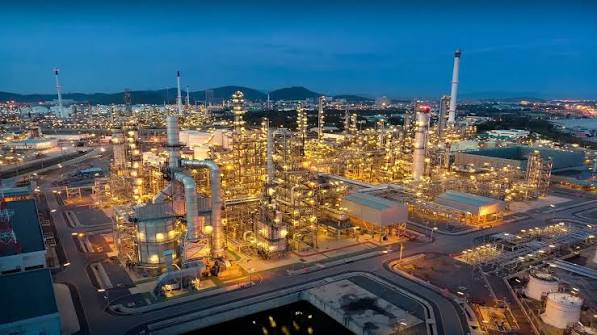
Naphtha Spot Price Surge Reshapes Short-Term European Trade Economics
A sharp increase in European naphtha spot prices is reshaping short-term trade economics as low water levels on the Rhine River continue to disrupt inland transportation. Restricted barge capacity has slowed the movement of naphtha to Germany's steam crackers, tightening prompt supply and increasing feedstock costs for petrochemical producers across Europe.
Although refinery output remains relatively stable, logistics—not production—have become the primary constraint. For chemical manufacturers, traders, and procurement professionals, this situation demonstrates how transportation bottlenecks can rapidly influence feedstock pricing and downstream production economics.
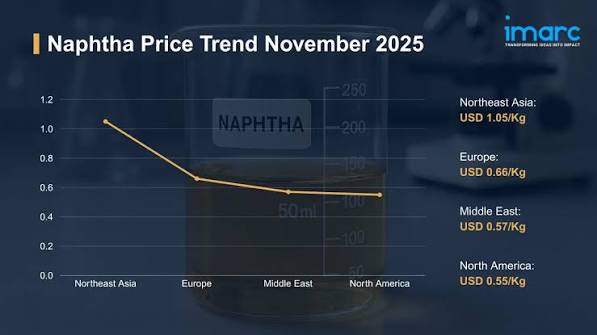
Why Naphtha Matters
Naphtha is one of the most important petrochemical feedstocks used by steam crackers to produce basic building blocks for the chemical industry.
Major downstream products include:
Ethylene
Propylene
Benzene
Butadiene
Toluene
Xylene
Xylene
Polyethylene (PE)
Polypropylene (PP)
Fluctuations in naphtha pricing directly influence production costs across plastics, packaging, automotive, construction, textiles, and consumer goods industries.
Market Implications
The rise in naphtha spot prices may contribute to:
Higher feedstock costs for European steam crackers
Increased production costs for downstream petrochemical manufacturers
Greater price volatility across olefins and polymers
Increased reliance on rail and truck transportation
Temporary shifts in regional trade flows
Stronger demand for alternative feedstock sourcing
If Rhine logistics remain constrained, prompt cargo premiums could stay elevated until transportation conditions improve.
Procurement Considerations
Procurement professionals should:
Monitor European naphtha spot price movements
Track Rhine River logistics and water levels
Diversify feedstock sourcing across multiple regions
Review transportation contingency plans
Secure supply agreements during periods of favorable pricing
Monitor downstream olefin and polymer market trends
Building flexibility into procurement and logistics planning can help reduce the impact of short-term transportation disruptions.
Looking Ahead
While current price increases are largely driven by inland logistics constraints rather than structural supply shortages, prolonged disruptions could continue to influence European petrochemical economics. Producers may increasingly rely on multimodal transport solutions, while buyers seek alternative sourcing strategies to maintain production continuity.
For procurement teams, monitoring feedstock logistics alongside market pricing will remain critical for managing costs and ensuring stable supply throughout the remainder of 2026.
Key Takeaways
European naphtha spot prices have risen due to Rhine logistics disruptions.
Low river water levels are restricting feedstock deliveries to steam crackers.
Transportation constraints, rather than production shortages, are driving short-term market changes.
Higher naphtha costs may affect downstream olefin and polymer pricing.
Procurement teams should diversify sourcing and closely monitor logistics conditions.
Found this useful?