The interruption of naphtha shipments through the Strait of Hormuz has created significant challenges for Asia's petrochemical industry. Following the effective shutdown after the late February attacks on Iran, chemical producers dependent on imported naphtha have been forced to reassess feedstock availability, production planning and procurement strategies.
For manufacturers of polymers, synthetic chemicals and industrial intermediates, naphtha is more than a refinery product. It is one of the essential feedstocks supporting steam crackers that produce ethylene, propylene and numerous downstream petrochemicals used across global manufacturing.
Why Naphtha Is Critical to Petrochemical Production
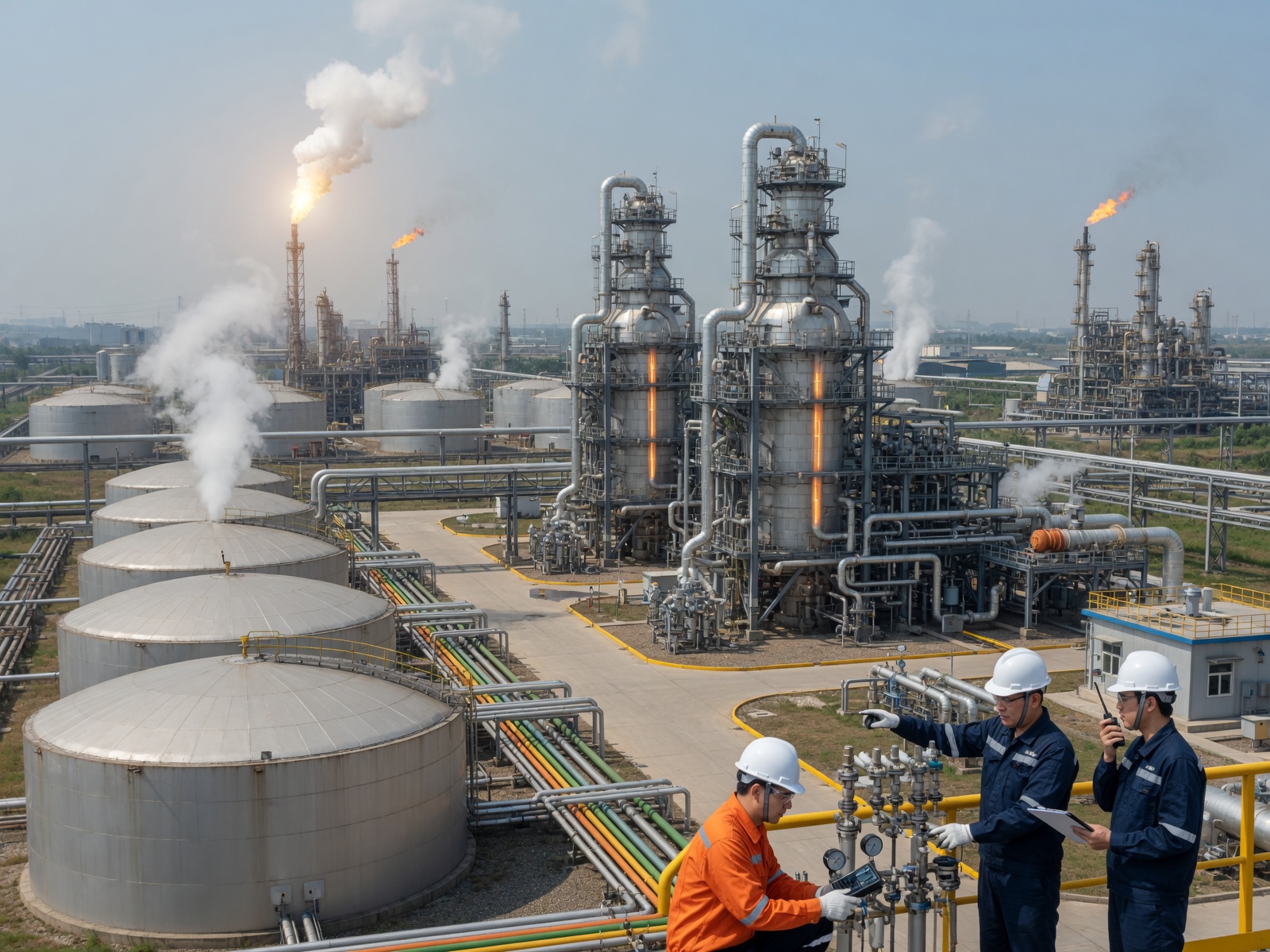
Naphtha serves as the primary feedstock for many steam crackers across Asia. These facilities convert hydrocarbons into basic petrochemical building blocks that support hundreds of industrial products.
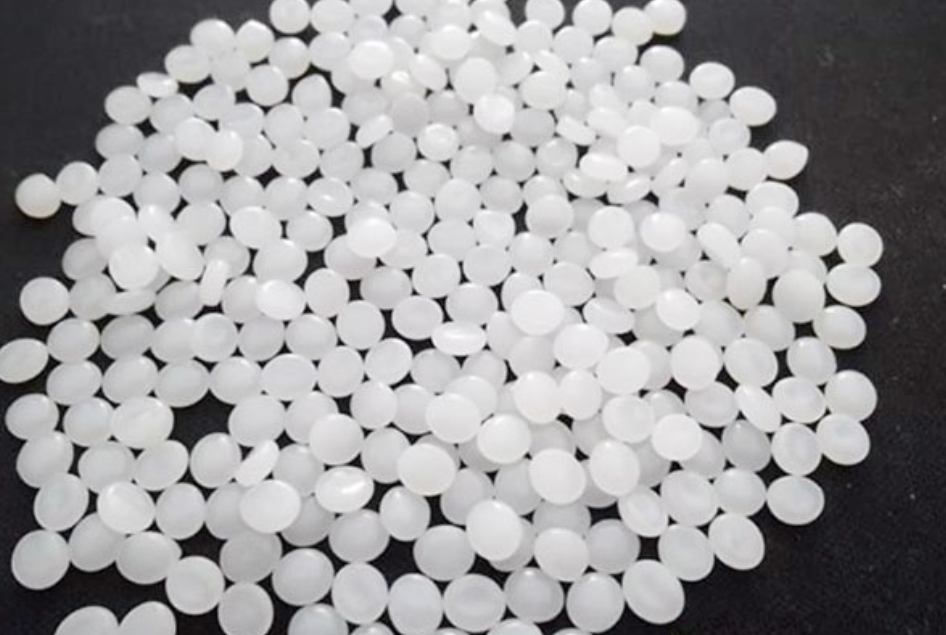
Major downstream products include:
Ethylene for polyethylene and ethylene derivatives.
Propylene for polypropylene and specialty chemicals.
Aromatic compounds used in plastics and synthetic fibres.
Chemical intermediates for coatings, adhesives and solvents.
Because crackers operate as integrated production systems, interruptions in feedstock supply can affect multiple downstream value chains simultaneously.
The Hormuz Disruption Changed Regional Supply Dynamics
The Strait of Hormuz remains one of the world's most important energy transport corridors. When naphtha shipments slowed following the regional escalation, Asian petrochemical manufacturers faced immediate uncertainty regarding future feedstock availability.
The disruption influenced several operational areas:
Feedstock procurement planning.
Marine shipping schedules.
Refinery supply commitments.
Production rate decisions.
Inventory management across petrochemical complexes.
Companies relying heavily on imported naphtha had to adjust purchasing strategies while monitoring developments in regional shipping conditions.
Petrochemical Producers Face Difficult Operating Decisions
Steam cracker operators cannot simply replace feedstocks without evaluating technical and commercial implications.
During periods of constrained naphtha supply, producers may consider:
Adjusting cracker operating rates.
Optimising existing feedstock inventories.
Securing alternative cargoes where commercially available.
Revising production priorities toward higher value products.
Coordinating closely with downstream customers regarding supply expectations.
Each decision influences production costs, contract fulfilment and regional product availability.
Downstream Markets Could Experience Supply Pressure
Reduced naphtha availability can extend well beyond refinery operations because so many manufacturing sectors depend on petrochemical intermediates.
Industries likely to monitor market developments include:
Plastic packaging manufacturers.
Automotive component producers.
Construction materials suppliers.
Consumer goods manufacturers.
Industrial chemical processors.
Any prolonged reduction in cracker utilisation may tighten regional supplies of polymer resins and chemical intermediates.
Procurement Teams Should Focus on Feedstock Exposure
Periods of supply disruption require procurement teams to strengthen visibility across the upstream supply chain.
Priority actions include:
Confirming supplier feedstock availability and production outlook.
Reviewing inventory levels for critical petrochemical products.
Monitoring shipping schedules and freight conditions.
Evaluating qualified alternative suppliers.
Updating demand forecasts based on changing lead times.
Proactive communication helps buyers identify potential constraints before they affect manufacturing operations.
Diversified Sourcing Improves Supply Chain Resilience
The recent disruption demonstrates the importance of avoiding excessive dependence on a single feedstock source or shipping corridor.
Procurement organizations that maintain diversified supplier networks are generally better positioned to respond to geopolitical events, transportation delays and refinery disruptions. Geographic diversity also provides greater flexibility when regional markets experience unexpected supply shortages.
As petrochemical markets remain closely linked to energy logistics, supplier resilience has become an increasingly important purchasing criterion.
What Petrochemical Buyers Should Do Now
The halt in naphtha shipments through the Strait of Hormuz highlights how quickly geopolitical developments can influence petrochemical production across Asia. Feedstock availability, cracker operating rates and downstream chemical supply remain closely connected, making early procurement action essential.
Companies should maintain regular communication with suppliers, monitor feedstock market developments and strengthen sourcing strategies to reduce exposure to future disruptions. Organizations that prepare early will be better positioned to manage volatility while protecting production continuity.
Ready to source naphtha-derived petrochemical products from verified global suppliers? Explore competitive offers on our platform today.