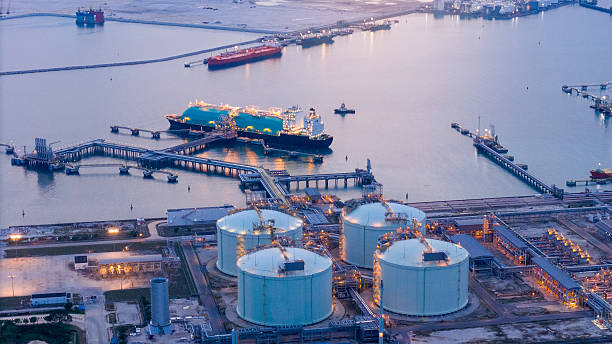
The Energy Information Administration forecasts that Henry Hub natural gas will average close to $3.70 per million British thermal units in 2026. This projection offers a rare beacon of stability in an otherwise turbulent energy landscape. For ammonia producers, natural gas serves as the primary feedstock and energy source. A predictable input cost provides a significant strategic advantage. It allows manufacturers to plan production schedules and pricing strategies with greater confidence. While oil markets swing wildly due to geopolitical tensions, North American ammonia producers enjoy a insulated cost structure. This divergence creates unique opportunities for buyers seeking supply chain reliability. Procurement teams must recognize how this stability translates into competitive pricing and consistent availability.
The Strategic Value of Feedstock Stability
Ammonia production is highly energy-intensive. Natural gas accounts for a substantial portion of total manufacturing costs. When gas prices remain stable, producers can maintain consistent operating margins. This predictability contrasts sharply with naphtha-based chemical production in other regions.
Naphtha prices track closely with crude oil benchmarks. Recent geopolitical conflicts have driven oil prices above $90 per barrel. This volatility forces European and Asian crackers to adjust prices frequently. North American ammonia plants do not face this direct correlation.
The $3.70 per MMBtu forecast provides a reliable baseline for financial planning. Producers can lock in long-term contracts without fearing sudden cost spikes. This stability supports investment in capacity expansion and maintenance. It also enables more aggressive pricing in global export markets. Buyers benefit from this certainty through more stable supply agreements.
Competitive Advantage in Global Markets
North American ammonia producers leverage low-cost natural gas to compete globally. Their production costs remain significantly lower than those in Europe or Asia. This cost advantage allows them to offer competitive pricing even after adding freight expenses.
Importers in Latin America and other regions increasingly look to US Gulf Coast supplies. These buyers seek relief from volatile European or Middle Eastern pricing. The stability of Henry Hub gas makes US ammonia an attractive alternative.
Lower baseline costs: Cheap feedstock reduces the break-even price for production.
Consistent output: Stable energy costs prevent unplanned shutdowns due to margin compression.
Export flexibility: Producers can redirect cargo to high-value markets quickly.
Long-term reliability: Financial health supports sustained investment in operational excellence.
These factors strengthen the position of US producers in the global fertilizer trade. They become preferred suppliers for buyers prioritizing supply security and price stability.
Impact on Downstream Nitrogen Derivatives
Ammonia serves as the building block for many nitrogen fertilizers. Urea, ammonium nitrate and urea ammonium nitrate all depend on steady ammonia supplies. Stable ammonia production ensures consistent availability of these downstream products.
Farmers and agricultural distributors benefit from this reliability. They can plan their nutrient applications without worrying about sudden shortages. Price stability in ammonia flows through to finished fertilizer products. This helps manage farm input budgets effectively during volatile growing seasons.
Industrial users of ammonia also gain from this stability. Chemical manufacturers requiring nitrogen inputs for various processes face fewer supply disruptions. This consistency supports broader industrial production planning across multiple sectors.
Navigating Logistics and Freight Considerations
While feedstock costs remain stable, logistics expenses require careful monitoring. Ocean freight rates fluctuate based on global energy prices and demand. Diesel and bunker fuel costs may rise independently of natural gas trends.
Buyers must calculate total landed costs accurately. The base product advantage of US ammonia often offsets higher freight charges. However, transparent breakdowns of product versus logistics costs are essential.
Securing long-term freight contracts can lock in transportation rates. This strategy complements stable feedstock pricing to create a resilient supply chain. Bulk shipments by vessel offer economies of scale for large-volume importers. Planning ahead minimizes exposure to spot market volatility in shipping.
Regulatory and Environmental Factors
Natural gas production faces increasing regulatory scrutiny regarding methane emissions. However, current Henry Hub prices reflect existing market conditions. Producers are investing in technologies to reduce their environmental footprint.
These efforts align with growing customer demand for sustainable sourcing. Buyers prioritizing environmental, social and governance criteria favor suppliers with strong sustainability records. North American producers are leading in emissions reduction initiatives. This alignment supports both cost and compliance objectives for global buyers.
Strategic Sourcing Adjustments for Procurement Teams
Chemical and fertilizer buyers should leverage this market stability to optimize their supply chains. Sourcing ammonia and derivatives from North America offers a hedge against oil-linked volatility.
Procurement teams should evaluate shifting volume toward these suppliers where technically feasible. This geographic diversification reduces exposure to Middle Eastern or European supply shocks. It also minimizes the impact of maritime logistics disruptions in contested waters.
Negotiating long-term contracts with US producers locks in favorable pricing. Fixed agreements provide budget certainty despite global energy fluctuations. Building relationships with these suppliers ensures priority access during periods of tight global supply.
What Buyers Should Do Now
The stability of natural gas near $3.70 per MMBtu offers a rare opportunity in a volatile energy market. Procurement professionals must act quickly to capitalize on this advantage. Audit your current supply chain for exposure to oil-linked feedstocks.
Evaluate alternative sourcing options from North American ammonia producers. Negotiate long-term contracts to lock in favorable pricing. Diversify your supplier base to reduce geopolitical risk. Building resilience into your procurement strategy ensures operational continuity.
Ready to source Anhydrous Ammonia from verified global suppliers? Explore competitive offers on our platform today.