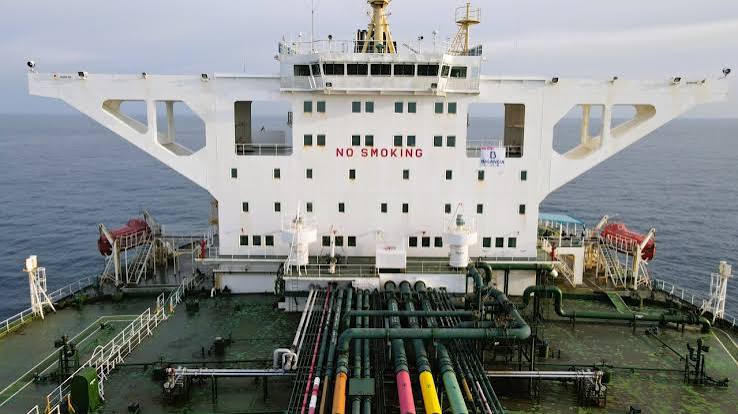
Naval Forces Board a Chemical Tanker Carrying Naphtha to Verify Compliance
Heightened maritime security operations near the Strait of Hormuz continue to influence global chemical logistics. As part of ongoing enforcement activities, U.S. naval forces boarded several commercial vessels, including a chemical tanker carrying naphtha and clean petroleum products, to verify compliance with maritime regulations and security protocols.
Although compliance inspections are intended to enhance regional security, they can also increase transit times, operational costs, and uncertainty for chemical exporters and importers. For companies involved in petrochemical trading, fuel blending, and industrial chemical procurement, these inspections highlight the importance of resilient logistics planning in one of the world's busiest shipping corridors.
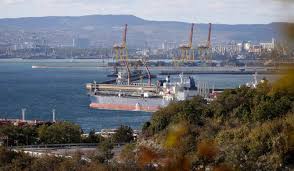
Why Naphtha Shipments Matter
Naphtha is one of the most important feedstocks in the petrochemical industry, serving as a primary raw material for producing numerous industrial chemicals and plastics.
Major downstream products include:
Ethylene
Propylene
Benzene
Toluene
Xylene
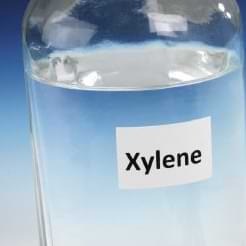
Xylene
Polyethylene (PE)
Polypropylene (PP)
Aromatics
Because a significant share of global naphtha trade passes through the Gulf region, any operational delays can affect downstream manufacturing worldwide.
Market Implications
Maritime compliance inspections may contribute to:
Longer vessel turnaround times
Higher freight and insurance costs
Delays in petrochemical feedstock deliveries
Increased logistics planning requirements
Greater supply chain uncertainty for importers
Temporary regional price volatility
While inspections support maritime security, they may also influence scheduling and inventory planning for companies dependent on Gulf-origin chemical exports.
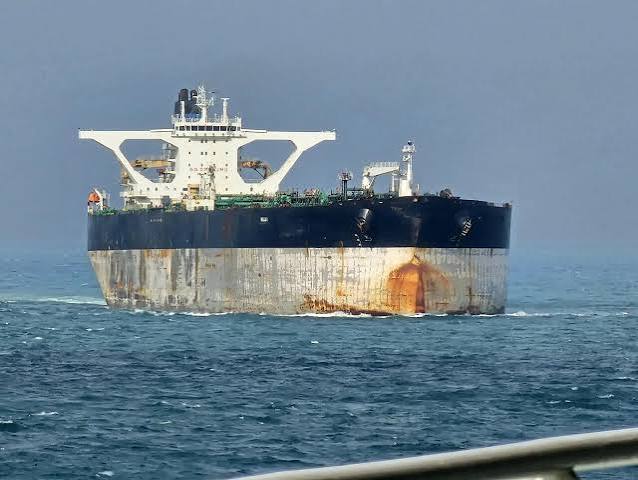
Procurement Considerations
Procurement professionals should:
Monitor vessel traffic through the Strait of Hormuz
Review supplier logistics and shipping schedules
Diversify sourcing across multiple regions
Maintain safety stock for critical feedstocks
Monitor freight and marine insurance costs
Develop contingency logistics strategies
Maintaining supply chain flexibility can help reduce the impact of temporary shipping delays caused by increased maritime inspections.
Looking Ahead
As geopolitical tensions continue to influence maritime operations, shipping companies and chemical producers are expected to maintain heightened coordination with naval authorities operating in the Gulf. Compliance inspections may remain part of routine operations, requiring businesses to incorporate additional flexibility into logistics planning.
For procurement teams, monitoring shipping conditions and maintaining diversified sourcing strategies will remain essential to ensuring uninterrupted access to key petrochemical feedstocks.
Key Takeaways
U.S. naval forces boarded a chemical tanker carrying naphtha to verify compliance near the Strait of Hormuz.
Naphtha is a critical petrochemical feedstock used to manufacture plastics and industrial chemicals.
Maritime inspections may increase shipping times and logistics costs.
Petrochemical supply chains remain sensitive to disruptions in the Gulf region.
Procurement teams should strengthen logistics planning and diversify sourcing.
Found this useful?