Navigating Port Congestion: Strategies for Chemical Supply Chain Resilience
Understanding the Impact of Port Congestion on Chemical Supply Chains
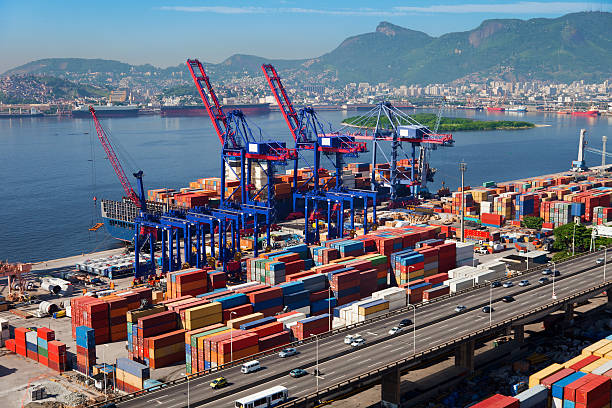
When a major port experiences container congestion, the ripple effects touch every link of the chemical logistics chain. Aircraft and rail connections may be delayed, storage tanks might reach capacity limits, and the critical window for hazardous material handling can shrink dramatically. The result is a spike in supply chain delays, unionized labor costs, and, for manufacturers, a higher risk of regulatory non‑compliance.
Key Performance Indicators to Watch
Vessel waiting time – the period a ship spends queued before unloading
Port dwell time – how long cargo sits at berth or in storage
Throughput rate – containers handled per day
Dock utilization – percentage of berth capacity used
Freight cost variance – difference between forecasted and actual shipping expenses
Monitoring these metrics allows procurement teams to spot early warning signs and act before a backlog threatens production schedules.
Tools for Real‑Time Monitoring
Several maritime analytics platforms provide up‑to‑the‑minute data on congestion levels and vessel movements. IMF PortWatch aggregates berth occupancy, gate traffic, and congestion alerts, delivering customized dashboards for chemical suppliers. MarineTraffic tracks AIS signals, offering live vessel positions and estimated arrival times. By integrating both feeds, teams obtain a 360‑degree view of maritime logistics that extends to container congestion and shipping delays.
Strategies to Mitigate Disruptions
Proactive Planning and Flexibility
Employ scenario planning that includes alternate shipping routes and modes. For instance, if a port’s vessel waiting time exceeds 48 hours, an alternative port within 200 nautical miles may be activated. Diversifying carriers and negotiating flexible charter terms protects against sudden capacity shortages.
Enhancing Visibility Across the Supply Chain
Link port analytics to procurement logistics software through APIs. This integration triggers automated alerts when berth utilization reaches a critical thresholdISA. Logistics teams can then reallocate inbound cargo, shift to DAP shipments agat the port’s next available slot, or renegotiate CIF terms to shift risk to freight forwarders.
Optimizing CIF and DAP Shipments
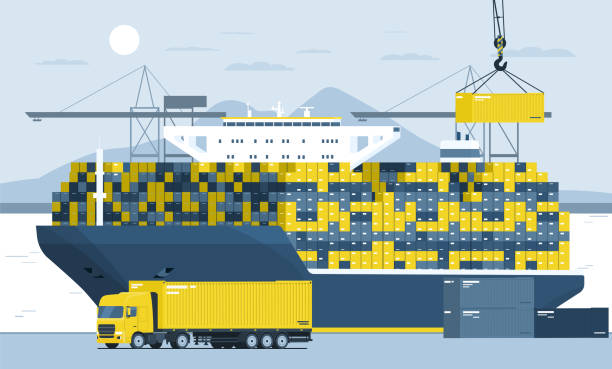
Shift from all‑inclusive CIF (Cost, Insurance, Freight) contracts to DAP (Delivered At Place) where possible. By assuming responsibility for inland transport, companies can directly negotiate with rail or trucking partners, reducing exposure to port‑related delays. Additionally, pre‑paying freight or contracting a flat‑rate shipping window locks in costs and schedules even when port congestion spikes.
Case Study: A Chemical Manufacturer Navigates Congestion
Midway through a product launch, a leading specialty chemicals firm faced a 72‑hour vessel waiting time at its key West Coast hub. The procurement team activated a pre‑planned contingency: cargo was rerouted to an inland rail terminal, freight costs increased by 12%, but production downtime was avoided. By leveraging IMF PortWatch data, the firm adjusted its CIF terms with the shipping line, transferring the risk of berth delay to the carrier and saving $350,000 inпроценты storage fees.
Building Resilience Through Monitoring and Response
Port congestion is an inevitable challenge in maritime logistics, but its impact on chemical supply chains can be mitigated through vigilant monitoring and agile response. By tracking vessel waiting time, deploying real‑time analytics from IMF PortWatch and MarineTraffic, and optimizing CIF/DAP terms, companies can transform visibility into operational resilience. The result is a smoother flow of hazardous materials, lower logistics costs, and a stronger competitive edge in an increasingly congested global trade environment.

Ammonium Chloride
Found this useful?