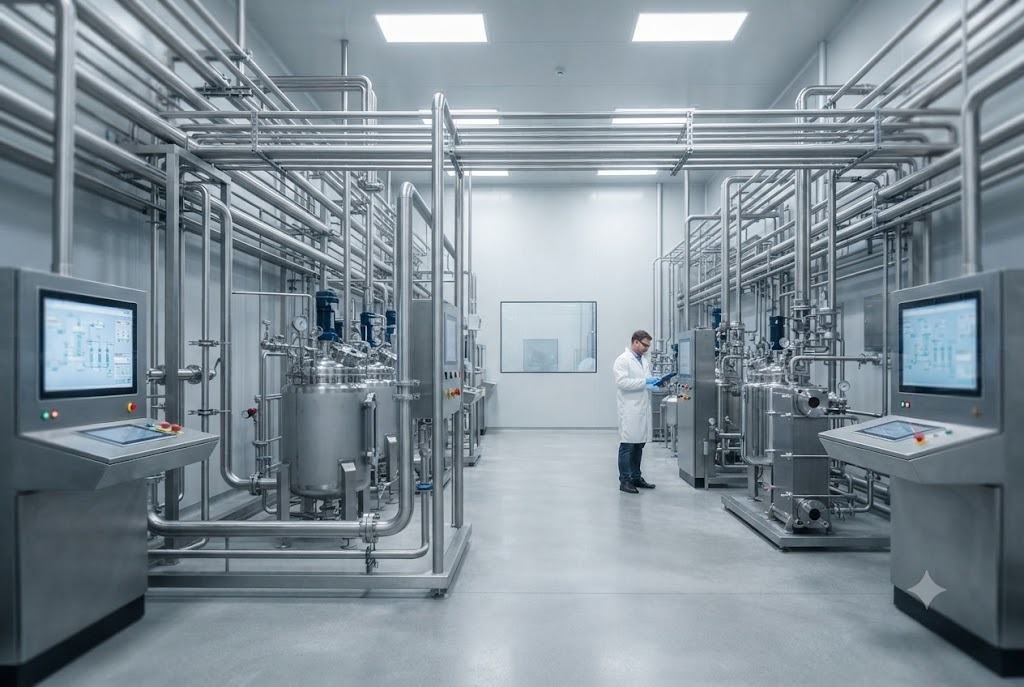
The global battery materials sector is witnessing a significant capacity addition as Neogen Chemicals announces the full commissioning of its electrolyte plant in Dahej. The facility now operates at its initial capacity of 2,000 metric tons per year. This milestone marks a critical step in securing domestic supply chains for lithium-ion battery components. Furthermore, the company has outlined plans to add another 1,000 MTPA of capacity in the second half of fiscal year 2027. Procurement managers and chemical traders must monitor this development closely. It signals a robust commitment to meeting the surging demand for electric vehicle batteries. Buyers relying on these specialized chemicals need to understand how this expansion affects market dynamics. The move reinforces India’s growing role in the global battery ecosystem. Ignoring this shift could lead to missed opportunities for securing reliable local sources. Strategic preparation is essential for navigating the evolving landscape of energy storage materials.
Understanding the Role of Battery Electrolytes
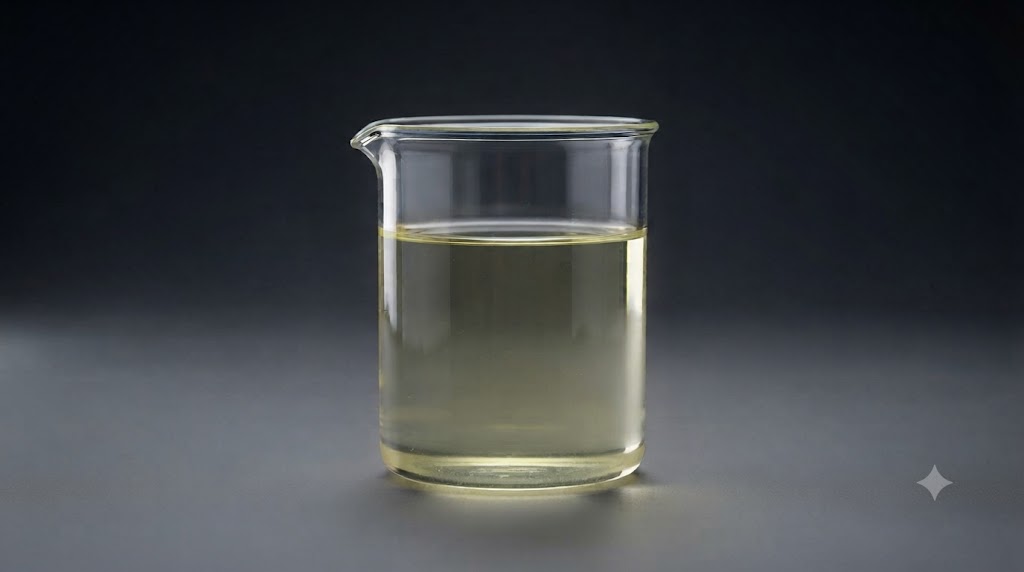
Electrolytes are the lifeblood of lithium-ion batteries. They facilitate the movement of ions between the cathode and anode during charging and discharging. Without high-quality electrolytes, batteries cannot achieve optimal performance or safety. Neogen’s new plant produces specialized formulations that meet stringent industry standards.
The Dahej facility focuses on producing electrolytes for various battery chemistries. This includes those used in consumer electronics, electric vehicles and energy storage systems. The complexity of these formulations requires precise control over purity and moisture content. Neogen has invested in advanced drying and mixing technologies to ensure consistency.
This technical expertise creates significant barriers to entry for competitors. Few suppliers possess the capability to produce high-performance electrolytes at scale. This scarcity allows established players like Neogen to command premium pricing. Buyers benefit from the reliability and quality assurance of these specialized manufacturers. Securing long-term contracts helps guarantee access to these critical materials.
Impact on Regional Battery Supply Chains
The commissioning of the Dahej plant strengthens the regional supply chain for battery materials. India has historically relied on imports for key battery components. Local production reduces dependency on distant suppliers and mitigates logistics risks. This localization strategy enhances supply security for domestic battery manufacturers.
Procurement teams sourcing electrolytes should anticipate improved lead times and availability. The proximity of the plant to major automotive hubs facilitates faster delivery. This efficiency supports just-in-time manufacturing models prevalent in the EV sector.
Reduced freight costs for local battery manufacturers. Shorter transport distances lower overall production expenses.
Enhanced supply security for regional automotive operations. Local sources are less vulnerable to international shipping disruptions.
Improved stability for long-term manufacturing planning. Predictable input prices allow producers to budget more effectively.
These benefits extend beyond immediate cost savings. A robust local battery industry supports broader economic development. It creates jobs and stimulates related industrial sectors such as cell assembly and pack manufacturing.
Strategic Expansion Plans for H2 FY27
Neogen’s plan to add 1,000 MTPA of capacity in H2 FY27 demonstrates confidence in future demand. The electric vehicle market is projected to grow exponentially in coming years. This expansion ensures that Neogen can meet increasing orders from major battery makers.
The phased approach allows for careful scaling of operations. It minimizes operational risks associated with rapid growth. The company can optimize processes at the current 2,000 MT level before doubling output. This methodical strategy ensures consistent product quality during expansion.
Buyers should view this roadmap as a signal of long-term reliability. Suppliers with clear growth plans are better partners for strategic sourcing. They can commit to larger volumes and longer contract durations. Procurement teams should engage with Neogen early to secure allocation in the upcoming expansion phase.
Quality Assurance and Regulatory Compliance
High-performance battery applications demand uncompromising quality. Neogen maintains rigorous quality control systems across its manufacturing facilities. Each batch of electrolyte undergoes extensive testing before release. This commitment to quality minimizes the risk of battery failures for downstream customers.
Regulatory compliance is another critical factor. The company adheres to international standards including UN transportation regulations for hazardous materials. This compliance simplifies the import and export process for global buyers. It also ensures that materials meet the strict requirements of regulated industries.
Transparency in documentation and certification builds trust with customers. Neogen provides detailed certificates of analysis and safety data sheets. This level of support reduces administrative burden for procurement teams. It allows them to focus on strategic sourcing rather than compliance verification.
Market Outlook for Battery Materials in India
The market for battery materials in India is projected to expand significantly. Government incentives and local manufacturing mandates drive this growth. Neogen is well-positioned to capture a larger share of this market.
Innovation will continue to drive the development of new electrolyte formulations. Additives that improve safety and cycle life are in high demand. Buyers should stay informed about emerging technologies and product launches. Partnering with innovative suppliers provides access to cutting-edge solutions.
Price stability may improve as production capacities expand. However, raw material volatility remains a risk. Lithium and fluoride prices fluctuate based on global mining outputs. Flexible contracting strategies help manage these fluctuations. Monitoring global market trends enables proactive decision-making for procurement teams.
What Buyers Should Do Now
Review your current electrolyte supply contracts and sourcing strategies. Identify opportunities to incorporate Neogen’s Dahej output into your mix. Contact suppliers to discuss potential partnerships and volume commitments for the upcoming expansion.
Assess your technical requirements for new battery chemistries. Prepare testing protocols to evaluate samples from the commissioned plant. Early engagement ensures a smooth transition and minimizes production disruptions.
Monitor market reports for updates on the H2 FY27 expansion timeline. Flexibility in planning allows you to capitalize on early availability. Building relationships with the new capacity source now positions you for long-term success.
Ready to source battery electrolytes from verified global suppliers? Explore competitive offers on our platform today.