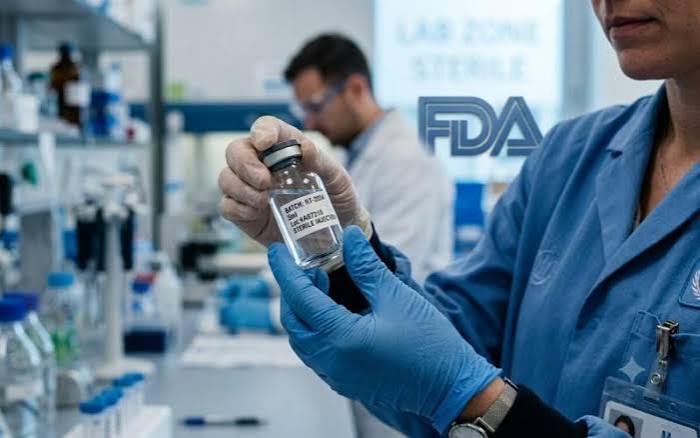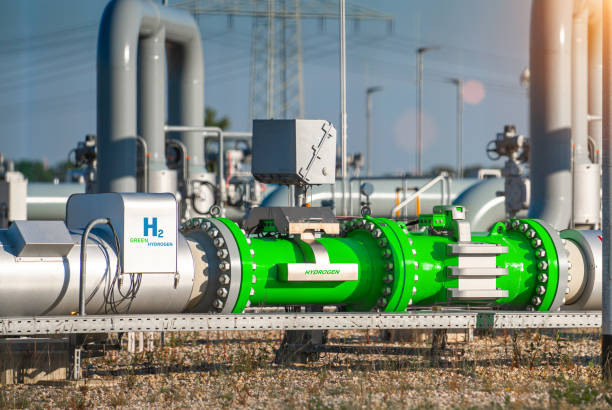
NEOM's 2027 Startup Could Reshape Green Hydrogen Availability for Pharma Manufacturing
The global transition to clean energy is creating ripple effects far beyond the power sector. Among the most closely watched developments is the planned startup of the NEOM Green Hydrogen Project in 2027, which is expected to become one of the world's largest green hydrogen production facilities. While much of the discussion has centered on transportation, heavy industry, and energy exports, the project's long-term implications could also extend to pharmaceutical manufacturing.
Although green hydrogen is not a direct ingredient in most medicines, it has the potential to influence the production of pharmaceutical intermediates, specialty chemicals, solvents, and other materials that support drug manufacturing. As large-scale green hydrogen capacity comes online, pharmaceutical companies may gain access to cleaner chemical feedstocks and lower-carbon manufacturing pathways.
Why Green Hydrogen Matters
Green hydrogen is produced by splitting water into hydrogen and oxygen using electrolysis powered by renewable electricity. Unlike conventional hydrogen derived from natural gas, green hydrogen generates little to no carbon emissions during production, making it an important component of global decarbonization strategies.
Its growing availability could support industries seeking to reduce greenhouse gas emissions while maintaining reliable supplies of industrial hydrogen.
Hydrogen plays a critical role in numerous chemical processes, including:
Hydrogenation reactions
Production of pharmaceutical intermediates
Fine chemical manufacturing
Solvent production
Specialty chemical synthesis
Refining of chemical feedstocks
As demand for low-carbon manufacturing grows, renewable hydrogen could become an increasingly valuable industrial input.
The Significance of the NEOM Project
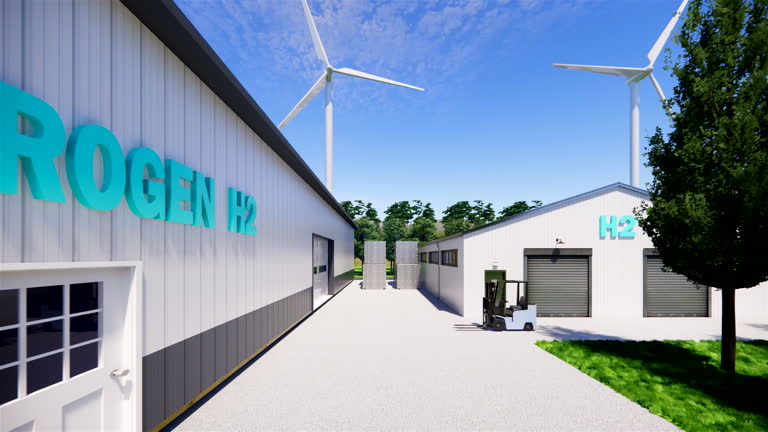
The NEOM Green Hydrogen Project represents one of the largest planned investments in renewable hydrogen infrastructure. Powered by solar and wind energy, the facility is designed to produce green hydrogen at commercial scale, supporting domestic use and international exports.
Large-scale production offers several potential benefits:
Increased global hydrogen availability
Improved economies of scale
Greater investment in hydrogen infrastructure
Enhanced supply chain development
Lower production costs over time
Acceleration of clean industrial technologies
While pricing and market adoption will depend on technological progress and policy support, expanded production capacity could make green hydrogen more accessible across multiple industries.
Opportunities for Pharmaceutical Manufacturing
Pharmaceutical production relies on hydrogen in various chemical synthesis processes. Access to renewable hydrogen could help manufacturers reduce emissions associated with producing active pharmaceutical ingredients (APIs), intermediates, and specialty chemicals.
Potential applications include:
Hydrogenation during API synthesis
Production of fine chemicals
Manufacture of specialty solvents
Low-carbon chemical feedstocks
Sustainable process development
Green chemistry initiatives
As pharmaceutical companies strengthen their environmental commitments, renewable hydrogen could become an important component of sustainable manufacturing strategies.
Supporting Greener Chemical Supply Chains
Many pharmaceutical companies have established ambitious climate targets that extend beyond their own facilities to include suppliers and upstream manufacturing.
Greater availability of green hydrogen could support:
Reduced Scope 3 emissions
Lower-carbon raw materials
Cleaner specialty chemical production
Sustainable pharmaceutical intermediates
Renewable process energy integration
Environmentally responsible procurement
These improvements may help organizations achieve broader environmental, social, and governance (ESG) objectives while strengthening supply chain resilience.
Driving Innovation in Green Chemistry
Green hydrogen complements ongoing advances in green chemistry by enabling cleaner reaction pathways and supporting renewable feedstocks.
Future innovations may include:
Bio-based chemical production
Renewable solvent manufacturing
Carbon-neutral pharmaceutical intermediates
Sustainable catalyst development
Electrified chemical processes
Circular manufacturing systems
These developments have the potential to transform pharmaceutical production over the coming decades.
Challenges to Widespread Adoption
Despite significant progress, several factors will influence how quickly green hydrogen is integrated into pharmaceutical manufacturing.
Key considerations include:
Production costs compared with conventional hydrogen
Availability of transportation and storage infrastructure
Long-term supply agreements
Regulatory frameworks
Investment in downstream processing facilities
Geographic proximity to manufacturing hubs
As infrastructure expands and production costs decline, adoption is expected to become increasingly practical for a wider range of industrial users.
Industry-Wide Implications
The impact of large-scale green hydrogen production extends beyond individual manufacturers. Chemical suppliers, contract development and manufacturing organizations (CDMOs), pharmaceutical ingredient producers, and specialty material manufacturers may all benefit from greater access to renewable hydrogen.
This could encourage:
More sustainable chemical production
Regional hydrogen ecosystems
Increased investment in low-carbon manufacturing
New strategic partnerships
Improved supply chain diversification
Greater resilience against fossil fuel price volatility
Collectively, these changes could reshape how pharmaceutical supply chains approach long-term sustainability.
The pace and extent of this impact will depend on factors such as production costs, infrastructure development, regulatory support, and market adoption. However, the direction is clear: renewable hydrogen is becoming an increasingly important building block for sustainable industrial production.
For pharmaceutical manufacturers, access to larger volumes of green hydrogen could support greener synthesis routes, lower lifecycle emissions, and stronger alignment with global sustainability goals. As the chemical and healthcare industries continue their transition toward cleaner manufacturing, projects like NEOM have the potential to play a meaningful role in shaping the future of pharmaceutical production and the broader life sciences ecosystem.
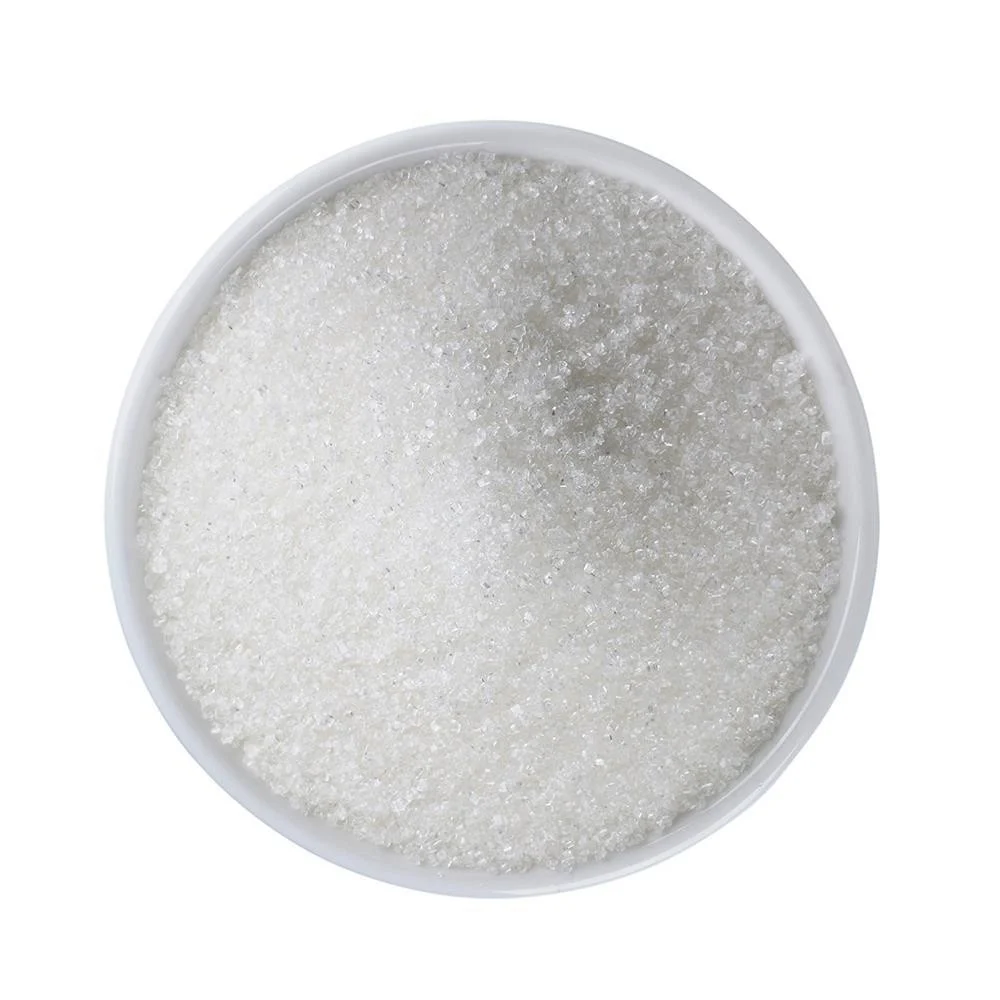
Betaine Anhydrous
Found this useful?