Air Products is finalizing a strategic agreement with Yara to secure renewable ammonia from the NEOM green hydrogen project in Saudi Arabia. This major pivot follows the recent cancellation of the Louisiana Clean Energy Complex. The Saudi facility is now more than 90 percent complete and targets a commercial start in 2027. Procurement managers and chemical traders must adjust their sourcing strategies to accommodate this geographic shift in global supply. The transition from North American speculative builds to Middle Eastern operational assets redefines the renewable chemical landscape. Buyers anticipating domestic green ammonia volumes must now look toward international supply chains to meet their decarbonization mandates. This realignment ensures a steady flow of low carbon feedstocks for critical industrial applications worldwide. Securing these international volumes now is essential for maintaining competitive advantage in a tightening market.
The Strategic Shift to the NEOM Green Hydrogen Project
Air Products redirected its capital and strategic focus toward the NEOM initiative after abandoning the Louisiana facility. The NEOM project represents one of the largest utility scale green hydrogen developments globally.
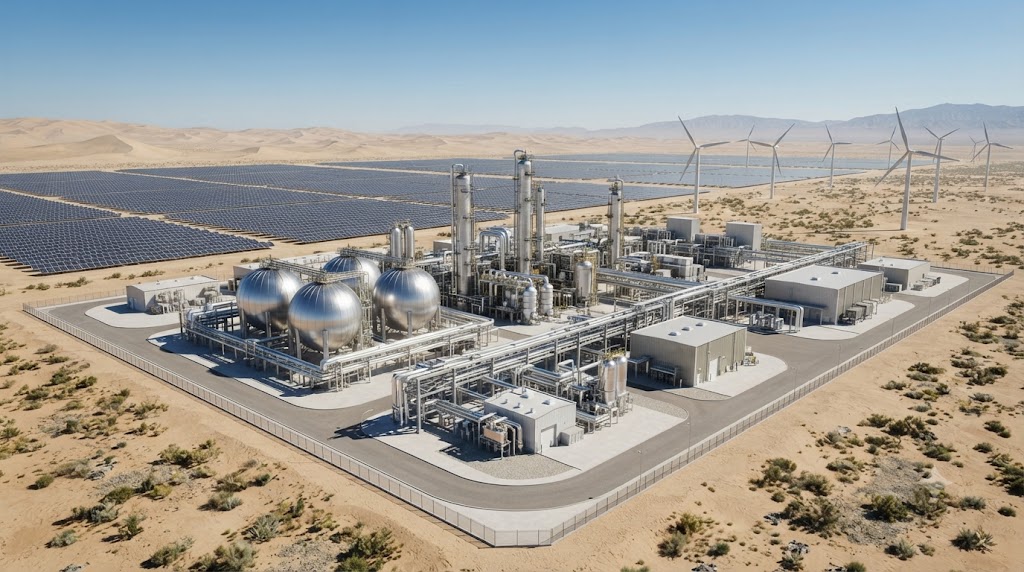
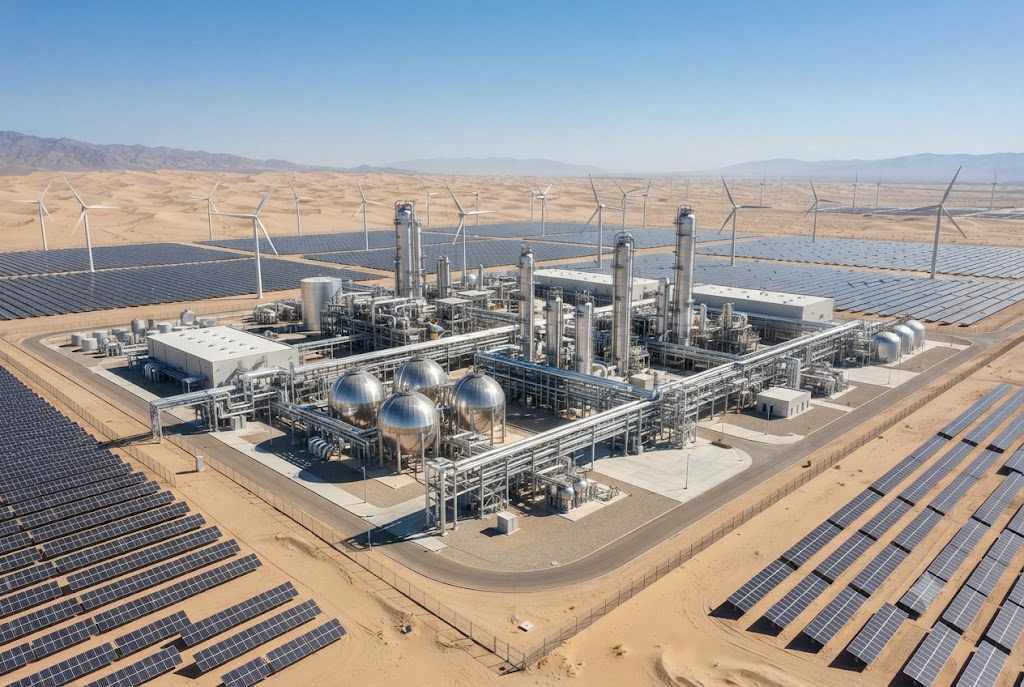
The facility utilizes vast solar and wind resources to power advanced electrolyzers. These electrolyzers split water into hydrogen and oxygen without generating any carbon emissions.
Yara will then synthesize this green hydrogen with atmospheric nitrogen to produce renewable ammonia. This partnership leverages Yara extensive expertise in global ammonia logistics and distribution networks.
The project is currently more than 90 percent complete according to recent updates. Construction teams are actively finalizing commissioning phases to meet the strict 2027 operational deadline.
This accelerated timeline demonstrates strong commitment from all involved stakeholders. The facility will serve as a blueprint for future large scale renewable chemical plants.
Market Implications for Renewable Ammonia Buyers
The Louisiana cancellation created an immediate supply gap for North American buyers seeking green molecules. The NEOM agreement effectively bridges this gap by securing a massive volume of future renewable ammonia.
Chemical traders must recognize that sourcing will increasingly rely on international maritime shipping. Transporting ammonia from the Middle East requires specialized cryogenic vessels and dedicated port infrastructure.
Buyers should anticipate longer lead times compared to domestic truck or rail deliveries. However the sheer scale of the NEOM facility guarantees substantial volume availability for long term contracts.
This international supply route also diversifies procurement risk significantly. Relying on a single geographic region exposes buyers to localized regulatory or operational disruptions.
Global trade flows will naturally adapt to this new source of supply. Asian and European markets will likely absorb a significant portion of the initial production volumes.
Technical and Logistical Advantages of the Saudi Facility
The NEOM location offers distinct competitive advantages for large scale chemical production. Abundant and consistent renewable energy ensures high electrolyzer capacity factors.
High capacity factors directly translate to lower levelized costs of hydrogen production. This economic efficiency makes the resulting renewable ammonia highly competitive in global markets.
Furthermore Saudi Arabia possesses established export infrastructure. Existing ports can be rapidly adapted to handle large scale ammonia shipments.
Reliable energy input: Consistent solar and wind profiles minimize production downtime.
Scalable operations: The facility design allows for future capacity expansions if market demand accelerates.
Strategic partnerships: Collaborating with Yara ensures world class quality control and supply chain reliability.
Navigating the 2027 Supply Timeline
A 2027 commercial start date requires proactive planning from procurement teams. Buyers cannot wait until the facility goes online to establish contractual frameworks.
Negotiating long term offtake agreements now secures priority access to initial production volumes. Early commitments often yield more favorable pricing structures.
Procurement professionals must also factor in the commissioning timeline. Facilities of this magnitude often experience minor delays during final testing phases.
Building buffer inventory or securing secondary supply sources remains a prudent risk management strategy. Buyers should map out their exact volume requirements for 2027 and beyond.
Regulatory and Sustainability Compliance for Imported Ammonia
Importing renewable ammonia introduces specific regulatory considerations for chemical buyers. Customs authorities require precise documentation to verify the green credentials of the cargo.
Buyers must ensure the ammonia meets the certification standards of their destination markets. European and North American regulations increasingly mandate strict lifecycle emission tracking.
The NEOM project is designed to meet these rigorous international standards. Yara and Air Products will provide comprehensive sustainability documentation for every shipment.
Procurement teams should integrate this data directly into their corporate carbon accounting systems. Accurate reporting protects the buying organization from greenwashing accusations and regulatory penalties.
The Economics of Green Ammonia Production
Green ammonia production costs have historically been a barrier to widespread adoption. The NEOM project benefits from some of the lowest renewable energy costs globally.
Solar and wind power in Saudi Arabia are highly competitive. This cheap electricity drastically reduces the operational expenditure of water electrolysis.
Economies of scale also play a critical role in this facility. Producing ammonia at a massive utility scale spreads fixed capital costs over a much larger output volume.
These combined factors position NEOM ammonia to compete directly with fossil based alternatives. Buyers will see a narrowing price premium for certified green molecules over time.
Impact on Global Fertilizer and Chemical Markets
Ammonia serves as the foundational building block for global agriculture. It is the primary ingredient in nitrogen based fertilizers essential for crop yields.
The chemical industry also relies heavily on ammonia for producing nitric acid and various polymers. A steady supply of renewable ammonia supports decarbonization across these diverse sectors.
Traditional ammonia production relies on steam methane reforming. This process generates significant carbon dioxide emissions as a direct byproduct.
Shifting to green ammonia eliminates these scope 1 emissions entirely. Chemical manufacturers can drastically reduce their overall carbon footprint by switching feedstocks.
Logistics and Infrastructure Requirements for Importers
Importing green ammonia requires specialized handling and storage capabilities. Ammonia is a hazardous material that demands strict safety protocols during transport.
Buyers must ensure their receiving terminals are equipped for cryogenic or pressurized ammonia storage. Upgrading port infrastructure may be necessary for facilities handling large maritime volumes.
Maritime shipping routes from the Middle East to Europe and Asia are well established. However buyers in the Americas must account for longer transit times and associated freight costs.
Logistics providers are currently expanding their fleets of ammonia capable vessels. This growing capacity will help stabilize freight rates as global trade volumes increase.
Risk Mitigation Strategies for Chemical Traders
Relying on a single mega project introduces concentration risk for large buyers. Procurement teams must develop comprehensive contingency plans for potential supply disruptions.
Maintaining relationships with secondary green ammonia producers is a vital hedge. Diversifying the supplier portfolio across different geographic regions protects against localized operational failures.
Buyers should also explore the use of ammonia derivatives like green methanol. These alternative molecules can sometimes offer more flexible logistics and storage options.
Regular stress testing of the supply chain helps identify hidden vulnerabilities. Proactive risk management ensures business continuity even during unexpected market shocks.
The Bottom Line for Procurement Teams
The pivot from Louisiana to the NEOM green hydrogen project marks a definitive shift in global renewable ammonia sourcing. Buyers must embrace international supply chains to secure low carbon feedstocks.
Proactive engagement with suppliers like Yara and Air Products is essential. Establishing robust logistics and long term contracts will mitigate future market volatility.
Organizations that adapt their procurement strategies now will maintain a competitive advantage. Secure your supply chain and meet your sustainability targets without compromise.
Ready to source renewable ammonia from verified global suppliers? Explore competitive offers on our platform today.