New Chemical Tanker Kokuryu Maru Completes First Methanol Bunkering
New Chemical Tanker Kokuryu Maru Completes First Methanol Bunkering
Japan's newly completed chemical tanker Kokuryu Maru has completed its first methanol bunkering operation, marking a step forward in the adoption of lower-carbon fuels for domestic coastal shipping. The vessel received its first methanol fuel at Kinoe Port on September 24, 2026, with part of the fuel consisting of domestically produced biomethanol from Mitsubishi Gas Chemical's (MGC) Niigata Plant.
The vessel is operated by Kokuka Sangyo and chartered by MGC. It will primarily transport methanol within Japan while also serving as a methanol bunkering vessel, creating an integrated system for methanol transportation and fuel supply.
A New Methanol-Fuelled Chemical Tanker
Kokuryu Maru has a gross tonnage of 498 tons and a deadweight capacity of 1,223 tons. The vessel was built by Koa Sangyo and is equipped with a dedicated methanol-fuelled main engine manufactured by Hanshin Diesel Works. It is Kokuka Sangyo's first vessel specifically designed to operate with methanol fuel.
The vessel's dual role is particularly significant. In addition to transporting methanol as cargo, Kokuryu Maru is designed to support methanol bunkering operations, allowing it to participate directly in the development of a domestic methanol fuel supply chain.
First Methanol Bunkering at Kinoe Port
The first bunkering operation took place at Kinoe Port on September 24, 2026. The fuel supplied to Kokuryu Maru included biomethanol produced domestically at MGC's Niigata Plant. The biomethanol will be used as fuel during the vessel's operations.
The use of domestically produced biomethanol adds another dimension to the project. Rather than relying exclusively on conventional fossil-based methanol, the operation demonstrates how renewable or lower-carbon methanol can be incorporated into marine fuel supply chains.
The companies describe the partial use of biomethanol as an initiative aimed at accelerating the adoption of fuels with lower environmental impact.
Methanol as an Alternative Marine Fuel
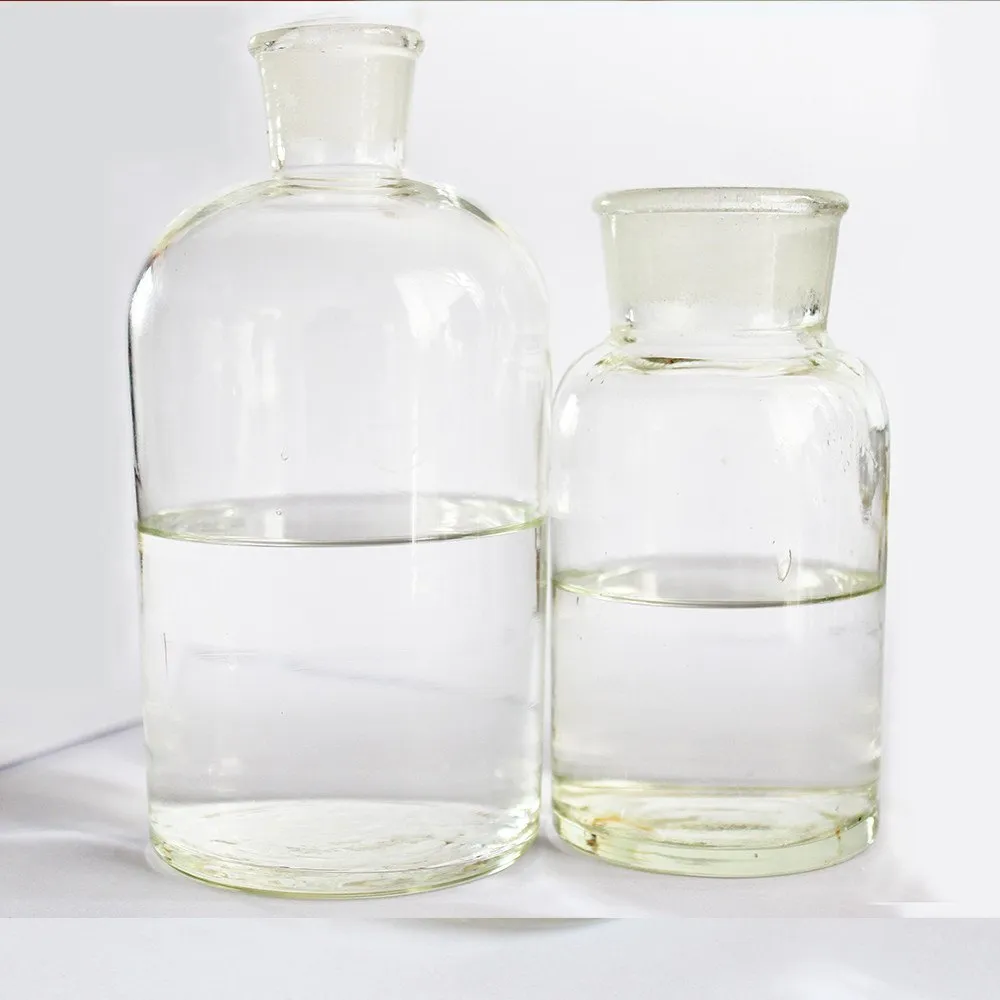
Methanol is gaining attention in the shipping industry because it can be stored and handled as a liquid under ambient temperature and pressure. This characteristic makes it relatively compatible with existing fuel-handling infrastructure compared with some other alternative fuels.
According to the companies involved in the project, methanol use can also reduce emissions of sulfur oxides (SOx), particulate matter (PM) and nitrogen oxides (NOx) compared with conventional marine fuels.
The environmental benefits depend on the source and production pathway of the methanol. Conventional methanol and biomethanol, for example, have different lifecycle emissions profiles. The use of biomethanol therefore provides an opportunity to further reduce the carbon intensity of marine fuel.
Potential 17.5% CO₂ Reduction
The project developers expect methanol operation to reduce CO₂ emissions by approximately 17.5% compared with a vessel operating on conventional heavy fuel oil.
This reduction is particularly relevant to Japan's domestic shipping sector, where the government has established targets for reducing emissions from coastal shipping.
Japan's Ministry of Land, Infrastructure, Transport and Tourism has set targets to reduce CO₂ emissions from domestic coastal shipping by approximately 17% by fiscal 2030 and approximately 36% by fiscal 2040, compared with fiscal 2013 levels.
Projects such as Kokuryu Maru are intended to contribute to the development and practical use of alternative marine fuels as Japan works toward these targets.
Government Support for Maritime Decarbonization
The Kokuryu Maru project was selected under a Japanese government programme supporting the introduction of LNG and methanol fuel systems in the maritime sector.
Government support is an important factor in the early development of alternative-fuel vessels because new propulsion systems, fuel infrastructure and supply networks can require significant investment before they achieve wider commercial adoption.
The Kokuryu Maru project brings together vessel construction, methanol engine technology, fuel production, transportation and bunkering, creating a practical demonstration of how these elements can operate together.
Building a Domestic Methanol Supply Chain
One of the project's important features is its focus on the complete methanol supply chain. Kokuka Sangyo is working to establish a system that covers methanol transportation through to bunkering, while MGC contributes its methanol production and distribution capabilities.
The vessel will primarily transport methanol domestically and can also provide methanol bunkering services. This combination could help expand the availability of methanol fuel for other vessels operating in Japanese waters.
Developing reliable bunkering infrastructure is essential for the wider adoption of alternative marine fuels. Ship operators are unlikely to transition at scale unless fuel can be supplied consistently at suitable ports.
Biomethanol and Circular Carbon Opportunities
The project also connects marine fuel demand with broader efforts to develop alternative sources of methanol. MGC notes that methanol can be synthesized from sources including CO₂, waste plastics and biomass.
The company is developing its Carbopath environmental circulation platform, which aims to use methanol produced from such sources to create materials and energy.
This creates potential links between shipping decarbonization and the wider development of circular carbon technologies. As alternative methanol production expands, maritime transport could become an important source of demand for lower-carbon methanol.
Collaboration Across the Maritime Value Chain
The project involves three companies with different roles in the technology and supply chain.
Kokuka Sangyo operates the vessel and is responsible for its maritime operations. Mitsubishi Gas Chemical charters the vessel and supplies methanol, including biomethanol produced at its Niigata facility. Hanshin Diesel Works supplied the dedicated methanol-fuelled main engine.
This collaboration demonstrates that maritime fuel transition requires coordination between shipowners, charterers, fuel suppliers, engine manufacturers and port infrastructure providers.
Looking Ahead
The completion and first bunkering of Kokuryu Maru represent an important practical demonstration of methanol-fuelled coastal shipping in Japan. The vessel combines methanol transportation with bunkering capabilities while using domestically produced biomethanol as part of its fuel supply.
The companies involved plan to continue operating the vessel while working to expand methanol fuel adoption and establish a broader supply framework for the maritime sector.
As Japan works toward lower-emission domestic shipping, projects such as Kokuryu Maru could provide operational experience with methanol propulsion, bunkering and alternative methanol fuels. The development of reliable fuel supply infrastructure and greater availability of lower-carbon methanol will remain important factors in determining how widely the technology can be adopted.
Meta Description:
Japan's new chemical tanker Kokuryu Maru has completed its first methanol bunkering at Kinoe Port, using domestically produced biomethanol as part of its lower-carbon shipping initiative.
Sources: Mitsubishi Gas Chemical, Kokuka Sangyo, Hanshin Diesel Works, Ship & Bunker and Engine.
Methanol
Found this useful?