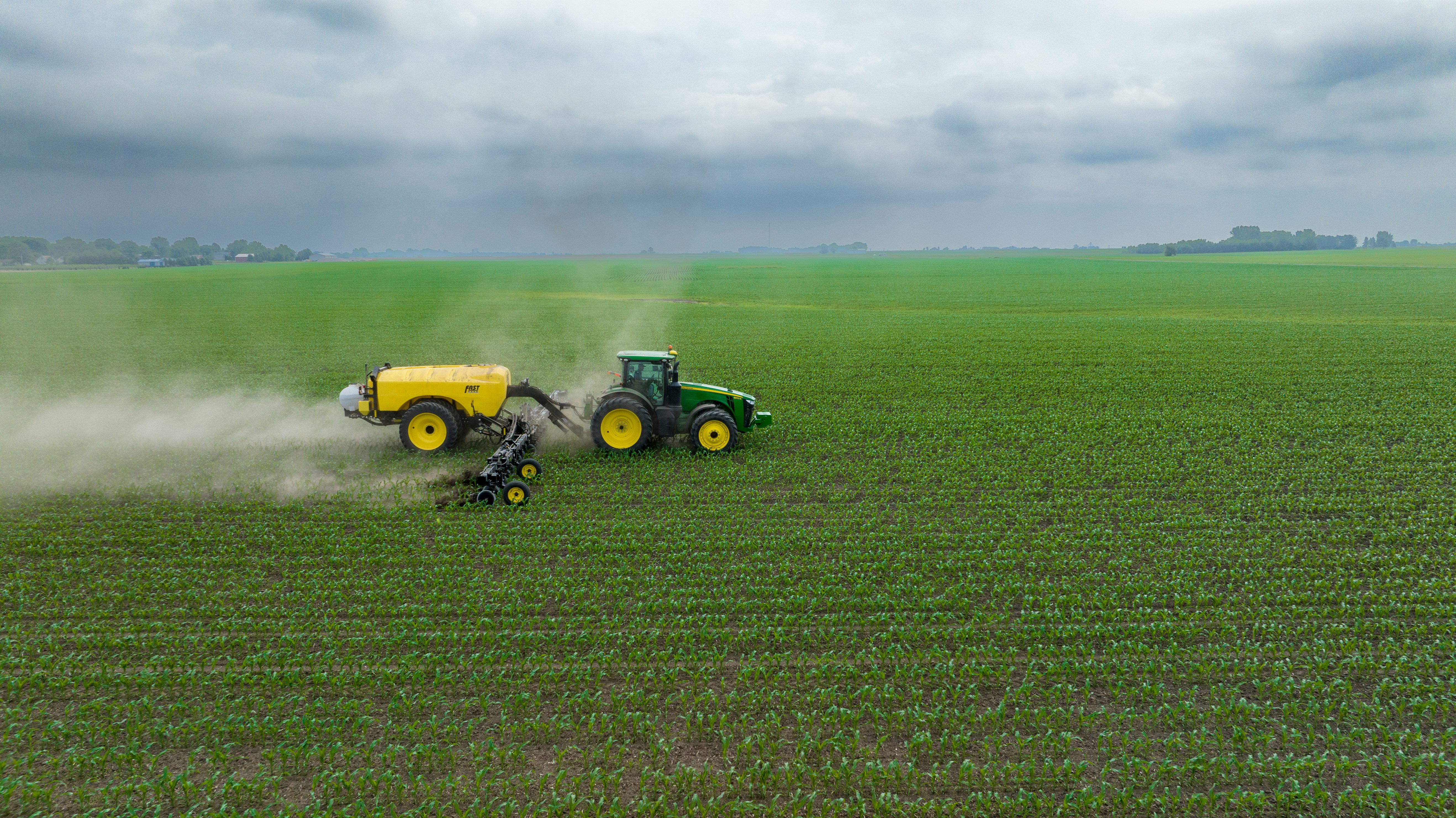
Nitrogen fertilizer's shipping exposure through the Strait of Hormuz
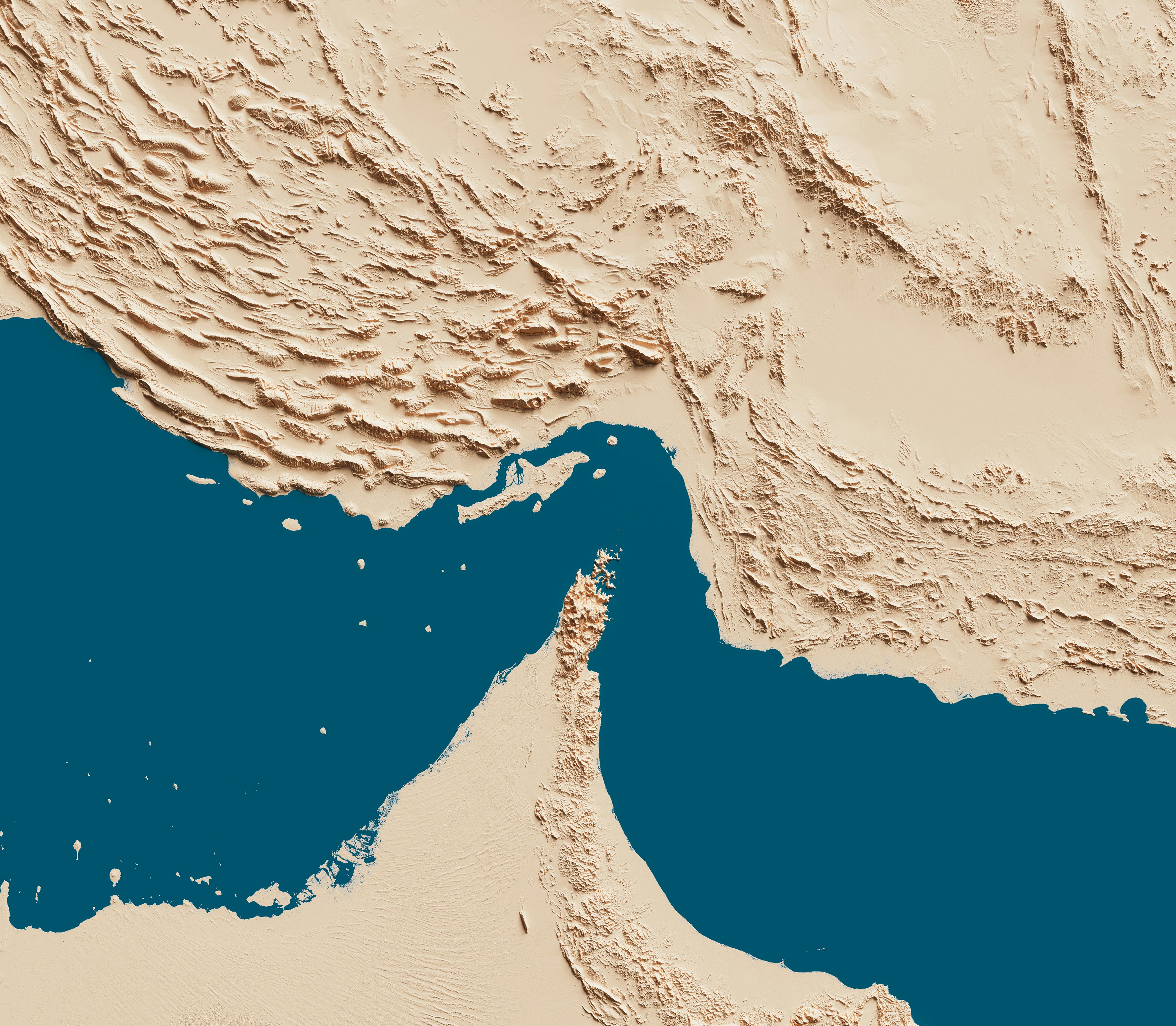
Nitrogen Fertilizer's Shipping Exposure Through the Strait of Hormuz
Introduction
The Strait of Hormuz is one of the world's most strategically important maritime chokepoints, serving as a critical gateway for energy products and bulk commodities moving from the Arabian Gulf to global markets. For the nitrogen fertilizer industry, this narrow waterway is particularly significant because several of the world's largest ammonia and urea exporters are located in Gulf countries whose exports pass through the Strait.
Any disruption to shipping through the Strait of Hormuz—whether caused by geopolitical tensions, security incidents, or increased maritime restrictions—can have immediate consequences for nitrogen fertilizer supply chains, freight costs, and global pricing. For fertilizer importers and procurement professionals, understanding this exposure is essential for effective risk management and supply planning.
Why the Strait of Hormuz Matters
The Strait of Hormuz connects the Persian Gulf with the Gulf of Oman and the Arabian Sea, making it one of the busiest shipping routes in the world.
Its importance includes:
A major corridor for global energy exports.
A key shipping route for bulk chemicals and fertilizers.
Direct access for Gulf fertilizer producers to international markets.
Strategic importance for trade between the Middle East, Asia, Africa, and Europe.
Because of its limited width and heavy vessel traffic, even minor disruptions can affect shipping schedules and transportation costs.
Nitrogen Fertilizers Most Affected
Several nitrogen-based fertilizers rely on exports from Gulf producers.
These include:
Urea
Urea is the most widely traded nitrogen fertilizer globally and is heavily exported from Gulf countries to Asia, Africa, and Latin America.
Ammonia
Ammonia serves as both a fertilizer and a key feedstock for manufacturing other nitrogen fertilizers, making uninterrupted shipping essential.
Urea Ammonium Nitrate (UAN)
Although traded in smaller volumes than urea, UAN shipments can also be affected by regional shipping disruptions.
Why Gulf Producers Are Important
Countries such as Qatar, Saudi Arabia, United Arab Emirates (UAE), and Oman are major producers and exporters of nitrogen fertilizers due to their abundant natural gas resources.
Their competitive advantages include:
Low-cost natural gas feedstock.
Large-scale fertilizer production facilities.
Modern export terminals.
Strong trade links with major agricultural markets.
Because many exports originate in the Gulf, shipping through the Strait of Hormuz is a vital part of the global nitrogen fertilizer supply chain.
Risks Associated with the Strait of Hormuz
Several factors can affect fertilizer shipments passing through the region.
Geopolitical Tensions
Regional conflicts or diplomatic disputes can increase uncertainty for commercial shipping.
Higher Freight Costs
Shipping companies may charge higher freight rates when operating in areas perceived as higher risk.
Increased Marine Insurance
War-risk insurance premiums may rise during periods of geopolitical instability, increasing overall transportation costs.
Shipping Delays
Enhanced security measures, vessel inspections, or rerouting can extend delivery times.
Supply Chain Disruptions
Even temporary interruptions can delay fertilizer deliveries during critical agricultural planting seasons.
How Shipping Risks Affect Fertilizer Prices
Shipping disruptions influence fertilizer economics through multiple cost channels.
The main impacts include:
Higher ocean freight expenses.
Increased marine insurance costs.
Longer transit times.
Greater inventory carrying costs.
Reduced availability in importing markets.
Increased spot-market price volatility.
As transportation costs rise, fertilizer manufacturers and distributors often pass a portion of these additional expenses on to buyers.
Procurement Strategies for Importers
Organizations purchasing nitrogen fertilizers can reduce supply chain risks by implementing proactive procurement strategies.
Diversify Supply Sources
Maintain relationships with suppliers from multiple exporting regions to reduce dependence on a single shipping corridor.
Monitor Maritime Intelligence
Track vessel movements, freight rates, and geopolitical developments affecting major trade routes.
Build Strategic Inventory
Maintaining appropriate safety stock can reduce the impact of temporary shipping delays.
Secure Long-Term Freight Agreements
Forward freight contracts may provide greater cost stability during periods of market uncertainty.
Evaluate Total Landed Cost
Consider transportation, insurance, customs duties, storage, and logistics expenses alongside fertilizer prices.
Market Outlook
The Strait of Hormuz is expected to remain a critical shipping corridor for global nitrogen fertilizer trade. While the route continues to support large export volumes, geopolitical developments can periodically increase freight costs and market uncertainty.
As global fertilizer demand continues to grow, businesses that strengthen supplier diversification, improve logistics planning, and closely monitor maritime risks will be better positioned to maintain reliable supply and manage procurement costs.
Conclusion
The Strait of Hormuz plays a central role in the international nitrogen fertilizer supply chain, connecting major Gulf producers with agricultural markets around the world. Because large volumes of urea and ammonia pass through this strategic waterway, disruptions can quickly influence freight costs, delivery schedules, and fertilizer prices.
For procurement professionals, understanding shipping exposure is essential for building resilient supply chains. Organizations that diversify suppliers, monitor geopolitical developments, and adopt comprehensive landed-cost strategies will be better prepared to navigate uncertainty while ensuring consistent fertilizer availability.

Aluminium Nitrate
Found this useful?