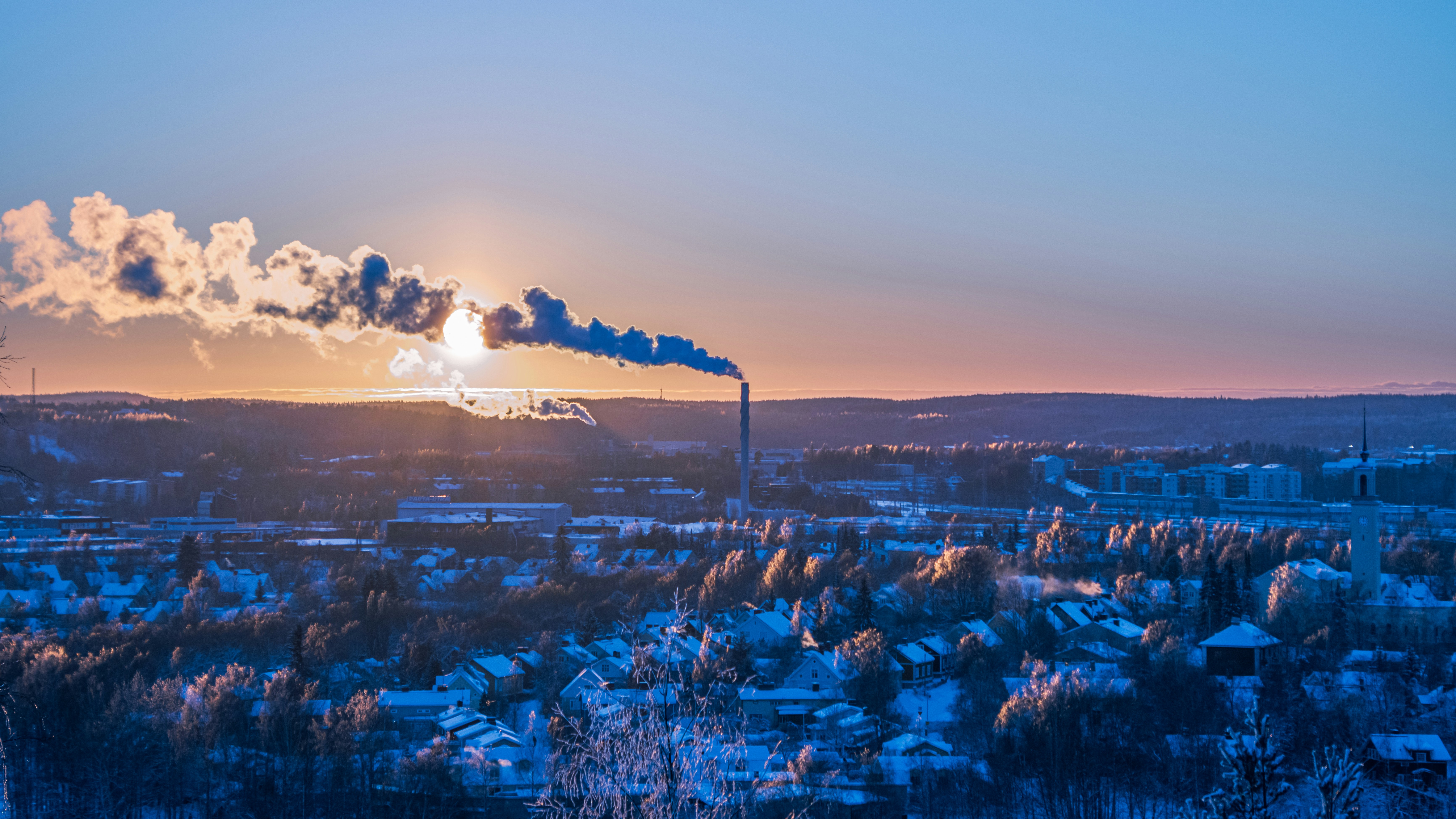
Nordic Ren-Gas Signs Hydrogen PPAs for the Tampere Plant
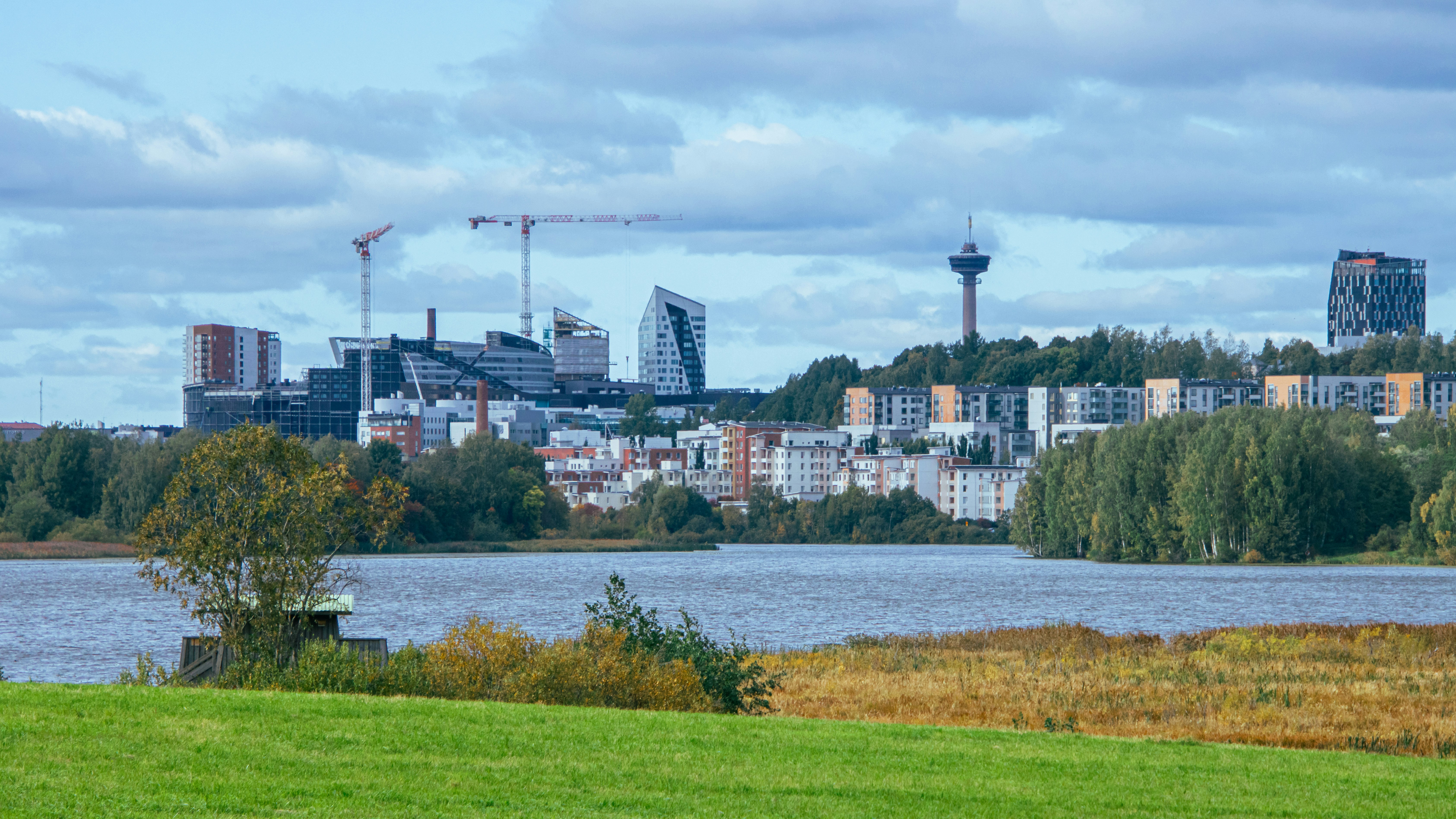
Nordic Ren-Gas Signs Hydrogen PPAs for the Tampere E-Methane Plant
Nordic Ren-Gas has secured renewable electricity for its planned Tampere e-methane plant in Finland through long-term Hydrogen Power Purchase Agreements (H2PPAs), marking another key step toward the project's final investment decision.
The agreements with Helen and another renewable electricity supplier will provide the Tampere facility with a diversified renewable power portfolio.
Renewable Electricity Secured Through H2PPAs
Hydrogen Power Purchase Agreements are long-term contracts that secure renewable electricity for hydrogen production. For Nordic Ren-Gas, the agreements are particularly important because the Tampere plant requires a reliable supply of renewable electricity to produce hydrogen while meeting the European Union's requirements for Renewable Fuels of Non-Biological Origin (RFNBO).
The company says the newly secured electricity portfolio fully loads the Tampere plant with RFNBO-compliant renewable power. The diversified structure is also designed to provide flexibility in plant operation as renewable electricity availability changes.
How the Tampere Plant Will Use the Electricity
The renewable electricity will be used to produce hydrogen through electrolysis. The hydrogen will then be combined with captured biogenic carbon dioxide to produce renewable synthetic methane, also known as e-methane.
The planned facility will also recover process waste heat for use in Tampere's district heating network, creating an integrated Power-to-Gas energy system.
The basic production chain is:
Renewable electricity → Green hydrogen → Hydrogen + biogenic CO₂ → Renewable e-methane
At the same time:
Process waste heat → District heating
Tampere Plant Designed for 50 MW Hydrogen Production
Nordic Ren-Gas's Tampere project is planned for the Tarastenjärvi circular economy area.
The current project configuration includes 50 MW of hydrogen production capacity and 25 MW of e-methane production capacity. The plant is also designed to utilise around 40,000 tonnes of CO₂ per year and recover waste heat for district heating. Production is currently targeted to begin in 2028.
The company says the e-methane output could provide fuel equivalent to the annual requirements of up to 500 heavy trucks, while recovered heat could cover the annual heating consumption of up to 35,000 apartments.
Supporting RFNBO-Compliant Fuel Production
A key purpose of the H2PPA structure is to support compliance with RFNBO requirements.
RFNBO fuels are renewable fuels produced from renewable sources that meet specific sustainability and greenhouse-gas-reduction requirements under EU rules. For Nordic Ren-Gas, securing renewable electricity is therefore an important part of establishing a bankable renewable-fuel production chain.
The company says its H2PPA model combines renewable power procurement, RFNBO compliance and operational flexibility within one framework.
Tampere Project Moves Toward Final Investment Decision
The electricity agreements add to the series of project milestones already achieved by Nordic Ren-Gas.
The company has previously secured major technology partners for the facility and has developed the project together with Tampereen Energia. Its project information identifies the Tampere facility as a Power-to-Gas plant producing renewable e-methane, hydrogen and district heat from process waste heat.
Nordic Ren-Gas has also described the Tampere project as being at a ready-to-build stage, with front-end engineering and design completed and major contracts and input arrangements advanced.
Renewable Power at the Centre of the E-Methane Chain
The H2PPA agreements strengthen the renewable electricity foundation of Nordic Ren-Gas's Tampere project.
By linking long-term renewable power procurement with hydrogen production, carbon capture, methanation and district heating, the project is designed to connect several parts of the renewable-energy value chain within one facility.
For Nordic Ren-Gas, securing the electricity supply represents another step toward developing Tampere into an integrated renewable-fuel production site targeting the growing demand for low-carbon fuels in heavy transport and other hard-to-electrify sectors.
Hydrogen Peroxide (35%) - Thailand
Found this useful?