
NPK compound fertilizer resilience amid mixed nitrogen and phosphate trends
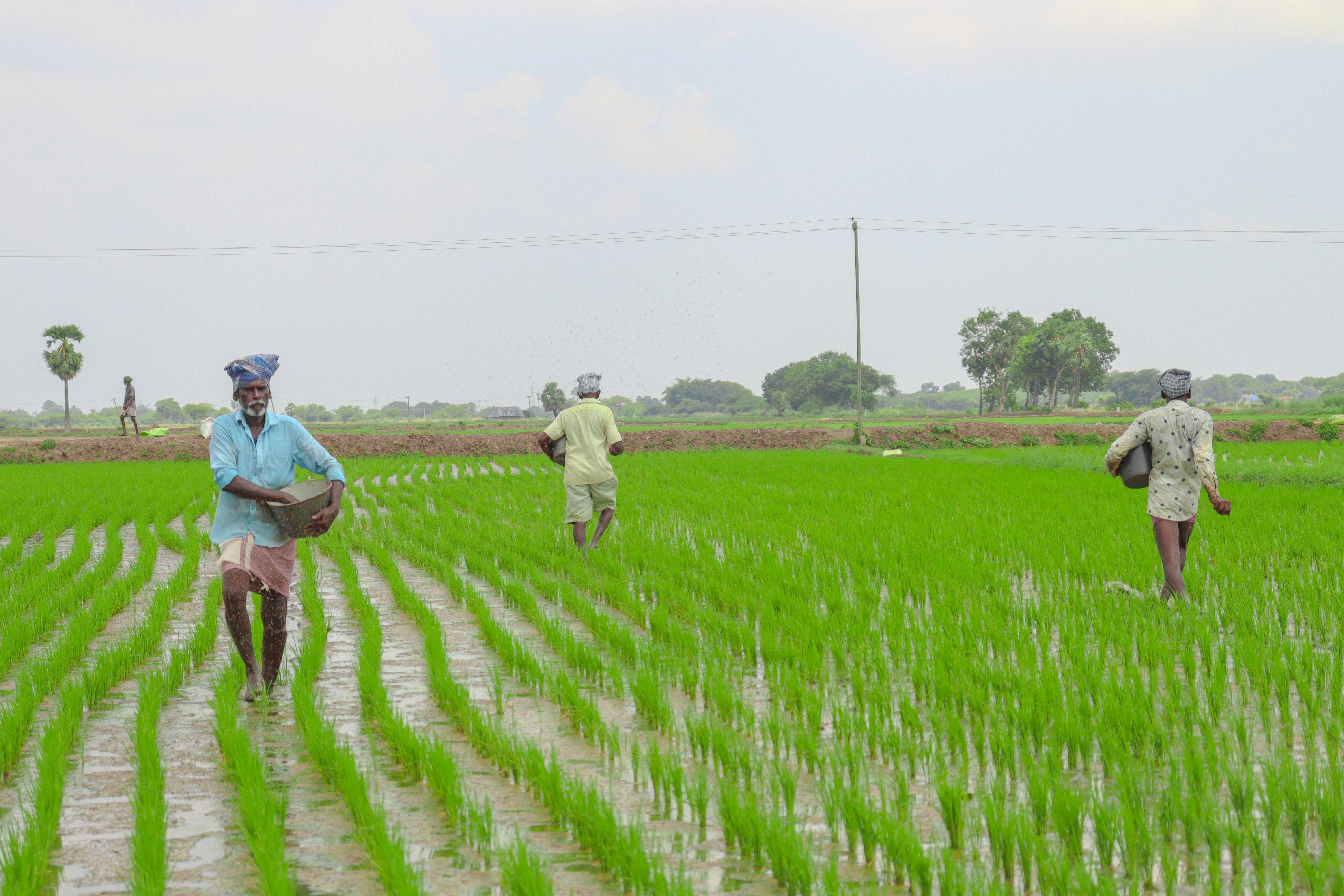
NPK Compound Fertilizer Resilience Amid Mixed Nitrogen and Phosphate Trends
Introduction
The global fertilizer market continues to evolve as nitrogen and phosphate fertilizers follow different price and supply trajectories. While nitrogen markets are gradually stabilizing due to new production capacity and improving supply, phosphate fertilizers continue to face pressure from raw material costs, export restrictions, and geopolitical uncertainties.
Amid these mixed market conditions, NPK compound fertilizers have demonstrated remarkable resilience. By combining nitrogen (N), phosphorus (P), and potassium (K) into a single product, NPK fertilizers provide balanced crop nutrition while helping buyers manage supply risks and procurement complexity.
For fertilizer distributors, agricultural businesses, and procurement professionals, understanding the resilience of NPK fertilizers is essential for making informed sourcing and inventory decisions.
What Are NPK Compound Fertilizers?
NPK compound fertilizers contain the three primary nutrients required for healthy plant growth:
Nitrogen (N) – Supports leaf growth and overall plant development.
Phosphorus (P) – Encourages root formation, flowering, and energy transfer.
Potassium (K) – Improves disease resistance, water regulation, and crop quality.
Unlike single-nutrient fertilizers, NPK products deliver a balanced nutrient package in one application, making them widely used across commercial agriculture.
Mixed Market Trends in 2026
The fertilizer market is currently experiencing different conditions across major nutrient segments.
Nitrogen Markets Are Stabilizing
New production capacity in East Asia and the Middle East has increased urea availability, easing supply constraints and reducing price volatility.
Phosphate Markets Remain Tight
Export restrictions, higher sulfur costs, and ongoing supply limitations continue to support elevated phosphate prices.
Potash Remains Relatively Stable
Strong production from Canada and diversified global supply have helped maintain more consistent potash availability.
These differing market conditions influence the production economics of NPK fertilizers but have not significantly reduced demand.
Why NPK Fertilizers Remain Resilient
Despite varying raw material costs, several factors continue to support the NPK market.
Balanced Crop Nutrition
Farmers prefer balanced fertilizers that improve crop performance while simplifying nutrient management.
Operational Efficiency
Applying one compound fertilizer instead of multiple individual nutrients reduces handling, storage, and application costs.
Stable Agricultural Demand
Global food production continues to support consistent demand for complete fertilizer solutions.
Supply Chain Flexibility
Manufacturers often adjust nutrient formulations or sourcing strategies to manage fluctuations in individual raw material markets.
Challenges Facing NPK Manufacturers
Although demand remains strong, producers continue to manage several cost pressures.
These include:
Rising phosphate raw material costs.
Sulfur price volatility.
Freight and logistics expenses.
Energy costs.
Currency exchange fluctuations.
Regional supply disruptions.
Successfully balancing these variables is essential for maintaining competitive pricing.
Procurement Considerations for Buyers
Procurement professionals should evaluate NPK purchases using a comprehensive sourcing strategy.
Focus on Total Landed Cost
Assess transportation, insurance, customs duties, storage, and logistics costs in addition to fertilizer prices.
Monitor Individual Nutrient Markets
Tracking nitrogen, phosphate, and potash trends helps anticipate changes in NPK pricing.
Diversify Supplier Networks
Maintaining relationships with multiple manufacturers improves supply resilience.
Plan Seasonal Purchases Early
Early procurement reduces exposure to demand-driven price increases during peak planting seasons.
Review Product Formulations
Different crops require different nutrient ratios, making formulation selection an important procurement decision.
Market Outlook
Global demand for NPK fertilizers is expected to remain steady as agricultural production continues to expand. While phosphate-related costs may keep some formulations relatively expensive, improving nitrogen availability and stable potash supply should help moderate overall pricing pressures.
Manufacturers with diversified raw material sourcing and efficient production capabilities will be better positioned to meet market demand while maintaining competitive pricing.
Conclusion
NPK compound fertilizers continue to demonstrate resilience despite mixed trends across nitrogen, phosphate, and potash markets. Their balanced nutrient composition, operational efficiency, and broad agricultural applications make them a preferred choice for farmers worldwide.
For fertilizer buyers and procurement professionals, monitoring individual nutrient markets, diversifying suppliers, and evaluating total landed costs will remain essential for securing reliable supply and managing costs. As market conditions continue to evolve, NPK fertilizers are expected to play a central role in supporting sustainable and productive agricultural systems.

Ammonium Nitrate
Found this useful?