Nylon 66 Market 2026: From Bottleneck to Oversupply and Why Buyers Hold the Advantage
terminal
prodchem
Jun 12, 2026
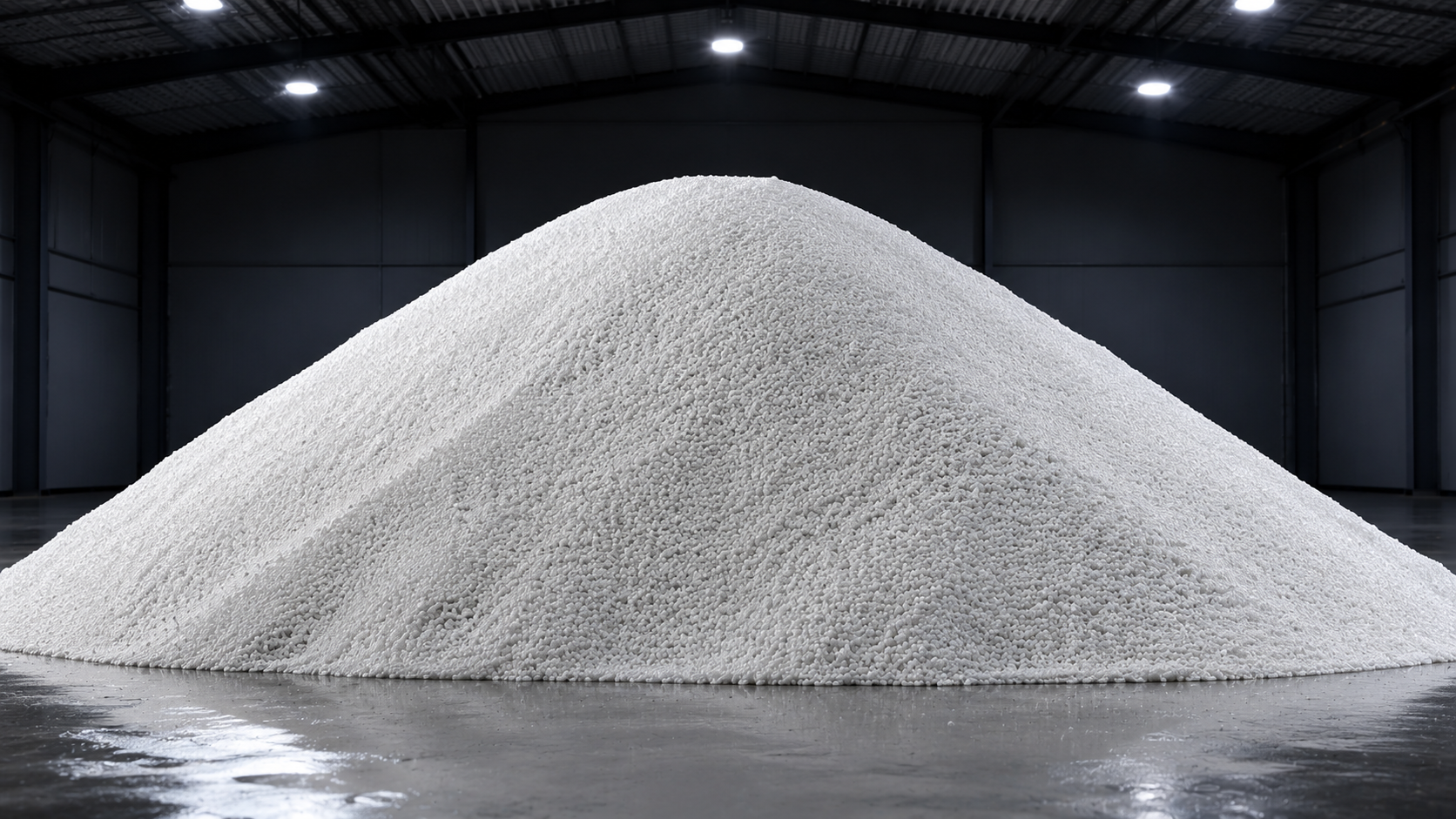
Only a few years ago, Nylon 66 buyers struggled to secure material as shortages of critical upstream feedstocks disrupted supply chains worldwide. Today the market looks completely different. The Nylon 66 industry has entered a period of prolonged oversupply as major capacity additions, particularly in China, outpaced demand growth.
The shift has created an unusual market environment. Buyers in automotive, electrical and textile sectors now hold significantly more negotiating power than producers. With another major wave of upstream capacity expected in 2026, procurement teams face an important strategic decision about how to secure supply while taking advantage of favorable pricing conditions.
How the Nylon 66 Market Reached Oversupply
The Nylon 66 industry experienced severe supply constraints during the previous cycle because producers struggled to obtain sufficient quantities of adiponitrile and hexamethylenediamine, two essential raw materials used in Nylon 66 production.
Manufacturers responded by investing heavily in new capacity. Multiple projects across China targeted both upstream intermediates and downstream polymer production. As these facilities entered commercial operation, supply growth quickly exceeded market demand.
At the same time, demand growth slowed in several major end-use sectors. Automotive production remained uneven in many regions, while inflation and economic uncertainty reduced industrial activity across Europe and North America.
The result was a dramatic market reversal. What began as a shortage market evolved into one where producers compete aggressively for volume.
Adiponitrile Capacity Expansion Is Changing the Industry
Adiponitrile remains one of the most strategically important chemicals in the Nylon 66 value chain. For years, limited global production restricted industry growth and contributed to price volatility.
The next major turning point arrives with Fujian Haichen Chemical's planned 400,000 tonne butadiene-based adiponitrile facility expected in the fourth quarter of 2026. The scale of this project signals that additional supply pressure may continue well beyond 2026.
Several implications emerge from this development:
• Greater adiponitrile availability could reduce one of the industry's historical bottlenecks.
• Upstream supply security may improve for Nylon 66 producers seeking stable raw material access.
• Increased competition among suppliers could place further downward pressure on polymer pricing.
• Buyers may gain more leverage when negotiating multi-year supply agreements.
Automotive Demand Remains a Critical Market Driver
The automotive industry remains one of the largest consumers of Nylon 66. Manufacturers use the material in engine components, connectors, under-the-hood applications and structural parts because of its strength, heat resistance and durability.
However, automotive demand has not recovered strongly enough to absorb the new wave of production capacity. Many manufacturers continue to face economic pressures, changing vehicle production strategies and cautious inventory management.
This imbalance between supply and demand has contributed significantly to weaker market conditions for producers.
Electrical and Electronics Applications Support Long-Term Growth
While automotive demand remains soft, electrical and electronics applications continue to provide important growth opportunities.
Nylon 66 plays a critical role in:
• Electrical connectors that require high thermal stability and mechanical strength.
• Circuit protection components used in industrial and consumer electronics.
• Cable management systems designed for demanding operating environments.
• Electrical housings that must meet strict performance requirements.
Growing digital infrastructure and increased electrification support long-term consumption growth, although current demand still falls short of absorbing available supply.
Regional Market Pressure in Europe and North America
Producers in Europe and North America have experienced particularly difficult market conditions since early 2023.
Several factors have affected profitability:
• Elevated energy costs increased manufacturing expenses.
• Imports from lower-cost production regions intensified competitive pressure.
• Slower economic growth limited demand recovery.
Many manufacturers have focused on operational efficiency, inventory management and cost reduction initiatives to maintain competitiveness.
Pricing Dynamics Favor Buyers in 2026
The current market structure gives procurement teams stronger bargaining power than they have enjoyed in years.
Suppliers face pressure to maintain plant utilization rates and protect market share. As a result, buyers often find greater flexibility in contract negotiations, volume commitments and delivery terms.
This pricing leverage may not remain available indefinitely.
As producers respond to market conditions through capacity rationalization, temporary shutdowns or delayed investments, supply-demand balances could gradually improve.
Buyers that secure favorable agreements during periods of oversupply may benefit from cost advantages for several years.
Supply Chain Risks Have Not Disappeared
Oversupply does not eliminate supply chain risk. Several factors still deserve attention.
Geopolitical developments can disrupt trade flows. Transportation constraints can affect regional availability. Environmental regulations can influence operating rates and future investments.
Procurement teams should monitor:
• Major upstream adiponitrile developments.
• Regional production shutdowns.
• Energy market volatility.
• Trade policy changes affecting polymer imports and exports.
• Capacity rationalization announcements from major producers.
A balanced sourcing strategy remains important even when supply appears abundant.
What Capacity Rationalization Could Mean
Industry participants increasingly discuss capacity rationalization as a potential response to weak margins.
Capacity rationalization can include temporary production reductions, delayed expansion projects, asset optimization programs or permanent closures of less competitive facilities.
Such actions help restore balance between supply and demand. However, these adjustments often require time because producers prefer to maximize asset utilization before reducing output.
The market may therefore remain buyer-friendly throughout much of 2026 even as suppliers evaluate strategic responses.
What Procurement Teams Should Do Now
The current Nylon 66 market presents a rare combination of abundant supply, expanding upstream capacity and cautious demand growth. These conditions have shifted negotiating power toward buyers across multiple end-use industries.
Procurement managers should evaluate long-term supply agreements while competitive pricing remains available. Diversified sourcing strategies, regular supplier assessments and close monitoring of upstream developments can help maximize value.
The planned expansion of adiponitrile production suggests additional supply may enter the market in the coming years. Unless demand accelerates significantly, buyers are likely to retain leverage for the near future.
Organizations that act during this phase of the cycle may secure stronger commercial terms than those available once supply-demand conditions tighten again. Ready to source Nylon 66 from verified global suppliers? Explore competitive offers on our platform today.