Oat Protein's Rise Against Whey and Soy: Why Clean Label Demand Is Reshaping the Global Protein Market
Consumer interest in oat protein has accelerated faster than many ingredient suppliers expected. Food manufacturers that once relied almost entirely on whey or soy now evaluate oat based alternatives as they respond to changing purchasing habits and product positioning.
The shift goes beyond plant based nutrition. Brands want ingredients that support simple labels, reduce allergen concerns and appeal to consumers looking for familiar raw materials. That combination has placed oat protein on the procurement shortlist for manufacturers across multiple food categories.
Why Oat Protein Is Gaining Market Share
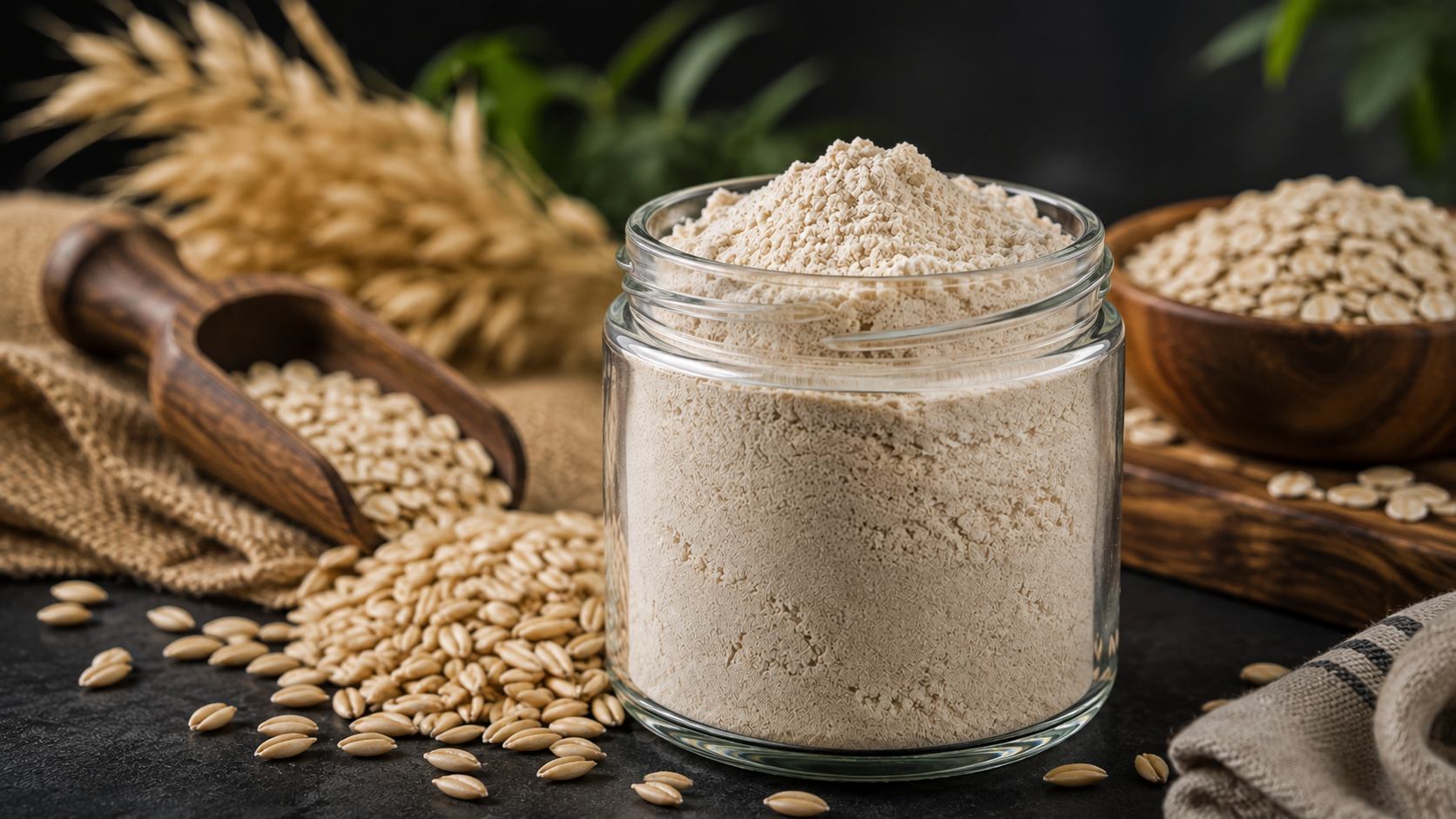
Oat protein comes from processed oats that concentrate the natural protein while preserving valuable nutritional characteristics. Manufacturers increasingly choose it because it fits modern product development goals without creating many of the allergen challenges associated with competing proteins.
Several trends continue to support market growth.
Consumers increasingly read ingredient labels before making purchasing decisions. Oat protein aligns well with products marketed around recognizable plant ingredients.
Food brands continue expanding vegan and flexitarian product lines. Oat protein offers another option beyond traditional soy formulations.
Companies serving allergy sensitive consumers often seek ingredients that avoid common allergens. Oat protein helps broaden formulation possibilities.
Rather than replacing every existing protein source, oat protein now complements many ingredient portfolios.
Clean Label Preferences Continue to Shape Procurement
Clean label has evolved from a marketing phrase into a purchasing requirement across many retail channels.
Manufacturers now examine every ingredient from both technical and marketing perspectives. They want proteins that perform consistently while supporting product labels that consumers easily understand.
This creates opportunities for ingredient suppliers able to deliver consistent quality, reliable documentation and dependable logistics.
Procurement managers also consider supplier transparency much more carefully than in previous years. Traceability, production consistency and quality assurance now influence buying decisions alongside price.
Comparing Oat Protein With Whey and Soy
Whey protein continues to offer excellent nutritional performance and strong functionality in many applications. However, dairy derived ingredients do not meet every consumer preference.
Soy protein remains widely used because of its competitive pricing and established supply chains. Even so, some manufacturers look beyond soy because of allergen labeling requirements or consumer perception.
Oat protein occupies an attractive middle position.
It offers manufacturers an ingredient that supports plant based formulations while appealing to consumers searching for familiar cereal based ingredients. Although every application requires technical evaluation, many developers appreciate the balance between functionality and market appeal.
Applications Continue Expanding Across Food Categories
Demand no longer comes from only one product segment.
Manufacturers now incorporate oat protein into numerous applications, including:
Plant based beverages where protein enrichment supports nutritional positioning.
Nutrition bars that require balanced texture and consumer friendly ingredient statements.
Bakery products where additional protein helps differentiate premium product lines.
Breakfast cereals targeting health conscious consumers.
Dairy alternative products seeking improved protein content without relying on soy.
The broader the application range becomes, the stronger the long term demand outlook appears.

Supply Chain Considerations for Global Buyers
As demand grows, sourcing strategies become more important. Buyers who previously focused on dairy or soy proteins now need to evaluate suppliers with experience in oat processing and protein extraction.
Several procurement factors deserve close attention:
Production capacity should match long term purchasing requirements, not only immediate demand. Consistent availability helps manufacturers avoid production disruptions.
Product specifications should remain uniform across shipments. Reliable protein content, moisture levels and particle size support stable manufacturing performance.
Documentation should include quality certificates, technical specifications and regulatory compliance records. Complete documentation simplifies import procedures and customer approvals.
Geographic diversification reduces sourcing risk. Working with suppliers from multiple regions can improve resilience when logistics or harvest conditions change.
Pricing Factors Influencing the Oat Protein Market
Unlike commodity chemicals with highly standardized pricing, oat protein values depend on several market variables.
The most significant pricing drivers include:
Oat harvest quality and seasonal crop yields.
Energy and processing costs during protein extraction.
Transportation expenses across international shipping routes.
Packaging and storage requirements.
Regional demand from food manufacturers.
Exchange rate movements affecting international trade.
Buyers who understand these variables can negotiate contracts more effectively and plan procurement budgets with greater confidence.
Innovation Is Expanding Commercial Opportunities
Food manufacturers continue investing in new formulations that improve taste, texture and nutritional performance. As research progresses, oat protein is finding roles in products that previously depended almost entirely on whey or soy.
Current innovation focuses on:
Higher protein beverages with improved mouthfeel.
Sports nutrition products targeting plant based consumers.
Ready to drink functional beverages.
High protein bakery mixes.
Snack foods with balanced nutrition profiles.
Dairy alternative desserts and frozen products.
These developments increase demand for dependable ingredient suppliers capable of supporting commercial scale production.
Regulatory Expectations Remain Important
International buyers should ensure suppliers meet the regulatory standards required in destination markets.
Key procurement checks include:
Product specification consistency.
Food safety certifications.
Manufacturing quality systems.
Country specific import documentation.
Batch traceability.
Allergen declaration requirements where applicable.
Regulatory preparation reduces delays during customs clearance and supports smoother customer audits.
Market Outlook for Oat Protein
Market momentum suggests oat protein will continue strengthening its position within the global protein ingredient sector. Consumer demand for clean label products shows little sign of slowing and manufacturers continue expanding plant based product portfolios.
Rather than replacing whey or soy entirely, oat protein is becoming another strategic ingredient that allows brands to serve different customer preferences. This balanced role creates opportunities for suppliers, processors and international traders.
Investment in processing technology is also expected to improve production efficiency. Better extraction methods and larger manufacturing capacity could increase supply while supporting broader commercial adoption across global markets.
What Buyers Should Do Now
Procurement teams should monitor oat protein as a growing strategic ingredient instead of viewing it as a temporary trend. Early supplier evaluation, quality verification and diversified sourcing can strengthen purchasing strategies as market demand expands.
Businesses that understand evolving consumer preferences will be better positioned to support customers seeking clean label and allergen conscious formulations. Reliable partnerships, consistent product quality and competitive sourcing will remain key advantages as the market develops.
Ready to source oat protein from verified global suppliers? Explore competitive offers on our platform today.

Corn Starch
Found this useful?