Brent crude's jump to $100 a barrel has created a fresh cost challenge for pharmaceutical ingredient logistics, particularly for supply chains that depend on petroleum-derived transport fuels, packaging materials and industrial services. The impact extends beyond the headline oil price because pharmaceutical ingredients often move through multiple stages before reaching a manufacturing site.
For procurement teams, the immediate concern is not simply whether freight rates increase. Buyers also need to assess packaging costs, supplier location, shipment size, inventory strategy and the risk that higher logistics expenses will gradually affect delivered ingredient prices.
The current environment makes logistics a more important part of pharmaceutical sourcing decisions. Companies that compare only the quoted chemical price may miss a significant portion of their actual landed cost.
How Oil Prices Affect Pharmaceutical Ingredient Logistics
Oil prices influence pharmaceutical ingredient supply chains through several connected cost channels. Fuel represents one of the most direct exposures, affecting road transport, ocean freight, aviation and other logistics operations that move chemicals between producers, ports, warehouses and manufacturing facilities.
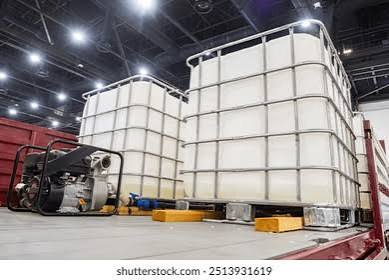
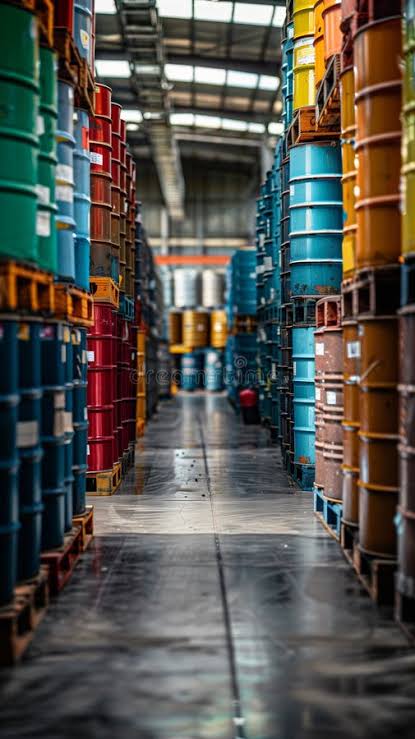
Petroleum-derived materials also support many forms of industrial packaging. Depending on the ingredient and shipment format, buyers may encounter costs associated with plastic drums, liners, containers, films, pallets and protective packaging.
The effect can therefore reach a procurement budget even when the underlying pharmaceutical ingredient has not changed substantially in price.
Key transmission points include:
Transportation fuel: Higher crude prices can increase the operating costs of trucks, vessels and other freight services, putting upward pressure on delivered chemical prices.
Packaging materials: Petroleum-linked raw materials can influence the cost of certain plastic packaging components used to protect and transport ingredients.
Warehouse operations: Higher energy and transportation costs can raise expenses across distribution networks, especially when products require additional handling or storage.
Freight surcharges: Logistics providers may adjust charges when fuel costs rise, particularly on longer routes and fuel-intensive transport lanes.
For international buyers, these factors make the distinction between the supplier's ex-works or FOB price and the final landed cost increasingly important.
Why the $100 Brent Level Matters to Buyers
A Brent price of $100 a barrel creates a clear market signal for companies that depend heavily on global logistics. The significance comes from the way oil prices influence a broad network of transportation and material costs rather than from crude oil itself being a pharmaceutical input.
A pharmaceutical ingredient producer may manufacture a product without using crude oil as a direct feedstock, yet the ingredient can still carry indirect petroleum-related costs. The product might travel hundreds or thousands of kilometres by truck and vessel before reaching the buyer.
That creates several procurement questions:
How much of the delivered price comes from freight?
How much packaging does the shipment require?
Can the supplier consolidate the order with other cargo?
Would a different origin reduce the total landed cost?
Should the buyer increase inventory before logistics costs rise further?
These questions help procurement teams distinguish between a temporary freight issue and a broader change in sourcing economics.
Freight, Packaging and Landed Cost Pressure
Freight represents one of the most visible areas of exposure when oil prices rise. Pharmaceutical ingredients frequently require controlled handling, appropriate documentation and carefully managed transportation, which can limit the ability to select the cheapest logistics option.
Ocean freight may offer cost advantages for larger international shipments, but longer supply chains can introduce additional handling and inland transportation expenses. Air freight can provide speed when supply continuity becomes critical, although fuel sensitivity makes it particularly exposed to transportation cost increases.
Packaging creates another layer of pressure. Many pharmaceutical ingredients require packaging that protects product quality during storage and transit, with the specific format depending on the material, quantity and handling requirements.
The lowest chemical quotation does not always produce the lowest landed cost.
Procurement teams should calculate the full delivered economics by considering the chemical price, freight, insurance, packaging, customs-related charges, storage and any additional handling requirements.
This approach becomes particularly important when comparing suppliers from different countries. A supplier with a slightly higher product quotation may still offer a better commercial outcome if the shipment travels a shorter route or uses more efficient packaging and consolidation.
Which Pharmaceutical Supply Chains Face the Most Exposure?
The degree of exposure varies according to product characteristics and sourcing geography. Buyers that rely on long international routes can face greater sensitivity because freight represents a larger part of the delivered cost.
Smaller shipment volumes can also create higher logistics costs per unit. When a buyer orders limited quantities, freight and handling expenses spread across fewer kilograms or containers.
Several sourcing profiles deserve closer attention:
Long-distance imports: Products travelling from distant manufacturing hubs may experience greater exposure to ocean freight and inland transportation costs.
Frequent small shipments: Regular low-volume purchasing can increase the logistics cost per unit compared with consolidated orders.
Time-sensitive ingredients: Buyers with limited flexibility may have fewer opportunities to shift from premium freight to slower, lower-cost transportation.
Special handling requirements: Products requiring specific packaging, temperature management or regulatory controls can restrict logistics alternatives.
Procurement teams should therefore evaluate logistics exposure at the product level rather than applying one assumption across an entire pharmaceutical portfolio.
What Importers and Exporters Should Monitor
Market monitoring becomes particularly valuable when crude oil reaches a major price threshold. Buyers should track not only Brent crude but also the logistics indicators that translate energy costs into chemical supply chain expenses.
For importers, freight quotations and transit conditions can reveal cost changes before they appear in supplier offers. Exporters should also monitor their logistics costs because rising freight expenses can affect competitiveness in destination markets.
A practical monitoring framework should include:
Crude oil and fuel price movements.
Ocean freight and container availability.
Regional trucking and inland transportation costs.
Packaging material expenses.
Supplier lead times and production schedules.
Inventory levels and expected consumption.
Changes in supplier freight terms.
The objective is not to predict every market movement. Instead, procurement teams should identify where their supply chain has the greatest exposure and establish response options before costs become difficult to manage.
Pharmaceutical Procurement Needs a Broader Cost View
Pharmaceutical purchasing decisions require a balance between price, quality, compliance and supply continuity. A lower-cost supplier may not provide a meaningful advantage if transportation delays or high freight expenses undermine the original saving.
The current oil price environment reinforces the importance of total cost of ownership in chemical procurement. Buyers should consider the complete journey from the supplier's facility to their own warehouse or manufacturing site.
This approach also supports better supplier negotiations. When buyers understand the proportion of their cost attributable to logistics, they can identify whether the main opportunity lies in product pricing, shipment consolidation, packaging optimization or sourcing geography.
For trading platforms, transparent supplier comparisons can make this process more efficient. Buyers can assess offers against commercial requirements while considering the broader logistics picture rather than focusing on a single headline number.
Preparing for Further Cost Pressure in 2026
The $100 Brent level creates a useful trigger for pharmaceutical procurement teams to revisit their sourcing assumptions. Companies that built budgets around lower transportation costs may need to reassess landed-cost calculations and freight allowances.
Buyers do not necessarily need to make large inventory commitments. Instead, they can segment products according to supply risk and logistics exposure.
High-priority ingredients with long lead times may require greater inventory protection, while readily available products with multiple qualified suppliers may need less intervention. This segmentation helps companies direct working capital toward the areas where supply disruption would have the greatest operational impact.
A disciplined procurement response should focus on visibility, flexibility and supplier optionality. These capabilities can provide protection when energy-driven logistics costs move quickly.
The Bottom Line for Procurement Teams
Brent crude at $100 a barrel adds another layer of cost pressure to pharmaceutical ingredient logistics, with transportation and petroleum-derived packaging among the key areas of exposure. The effect can reach the final landed cost even when the pharmaceutical ingredient itself does not experience a comparable increase.
For procurement managers, the priority should be to evaluate the entire supply chain behind every quotation. Freight terms, shipment volume, packaging, origin, lead time and inventory requirements can materially change the economics of a purchase.
The strongest sourcing strategy combines competitive chemical pricing with reliable logistics and qualified supplier options. As energy costs reshape transportation economics, buyers that actively compare landed costs and diversify sourcing can respond more effectively to changing market conditions.