Olefins and Polymer Oversupply: How Chinese Capacity Additions Are Compressing Global Margins
China's rapid expansion of olefin and polymer production is becoming one of the defining forces in global commodity chemicals. More than 60% of global ethylene capacity additions between 2020 and 2025 came from China, according to industry data presented at the World Petrochemical Conference. The continued buildout is adding significant volumes of ethylene, polyethylene (PE) and polypropylene (PP) to markets that are already struggling with excess supply.
Ethylene Supply Is Expanding Faster Than Demand
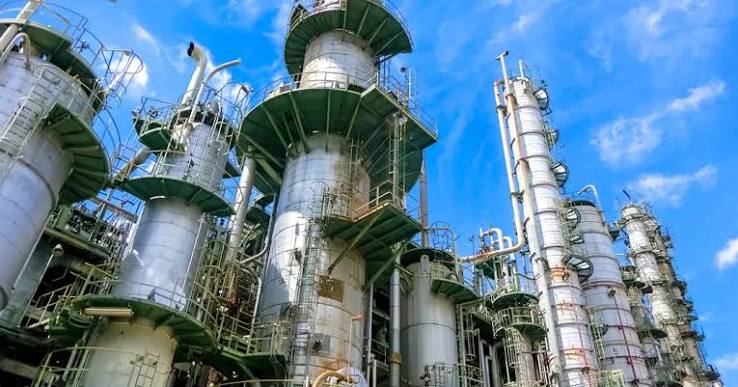
Ethylene is at the center of the oversupply problem because it feeds a wide range of downstream products, including polyethylene and ethylene derivatives. China continues to add large integrated refining and petrochemical complexes, while additional projects are scheduled to increase supply further. Industry analysts estimate that another 7–8 million tonnes per year of ethylene capacity is being added in China, highlighting how previous investment cycles continue to influence today's market balance.
Polyethylene Is Becoming an Export Pressure Point
The polyethylene market provides a clear example of how excess Chinese production is changing global trade flows. China's PE capacity reached approximately 40.5 million tonnes per year in the first half of 2026, with more than 6 million tonnes of additional capacity expected for the full year. China also recorded a historic shift in May 2026, when monthly PE exports exceeded imports for the first time, demonstrating how growing domestic supply is increasingly being directed toward overseas markets.
Polypropylene Margins Face Similar Pressure
Polypropylene is experiencing the same structural challenge. China's PP production capacity stood at approximately 48.3 million tonnes per year in the first half of 2026, while industry operating rates remained relatively low. Global PE and PP utilization had already fallen to around 77% and 75% respectively in 2025, compared with historical levels closer to 85–90%, according to DBS. Lower utilization makes it harder for producers to spread fixed costs across production volumes, contributing to continued margin compression.
Exports Are Becoming a Key Outlet for Surplus Supply
As domestic Chinese demand struggles to absorb the expanding production base, exports are becoming increasingly important. China's PE exports increased more than 246% year over year during January–May 2026, reaching about 1.44 million tonnes, while imports fell sharply. This shift can place pressure on producers in Southeast Asia, Europe and other importing markets as competitively priced Chinese material enters international trade flows.
Global Margins May Stay Under Pressure
The result is a commodity chemical market where production capacity is growing faster than demand. Analysts expect weak margins and low operating rates to persist through 2026, with rebalancing potentially taking longer as additional Chinese capacity comes online. For producers, the challenge is increasingly about maintaining utilization and controlling costs rather than simply increasing volumes. For buyers, however, continued oversupply could create more competitive sourcing opportunities across ethylene derivatives, PE and PP while simultaneously increasing trade-policy and supply-chain risks.
Mono Propylene Glycol (E1520)
Found this useful?