Capital investment decisions often shape the chemical industry years before new production reaches the market. According to Deloitte's 2026 Chemical Industry Outlook, the H.R.1 One Big Beautiful Bill Act, signed into law in July 2025, has already become a meaningful policy factor influencing how chemical manufacturers allocate capital across new projects, facility upgrades and strategic expansion plans.
For procurement professionals, tax legislation may appear distant from day-to-day purchasing activities. However, investment decisions determine where future production capacity will be built, which regions receive new manufacturing assets and how global supply chains evolve over time.
Why Tax Policy Matters to the Chemical Industry
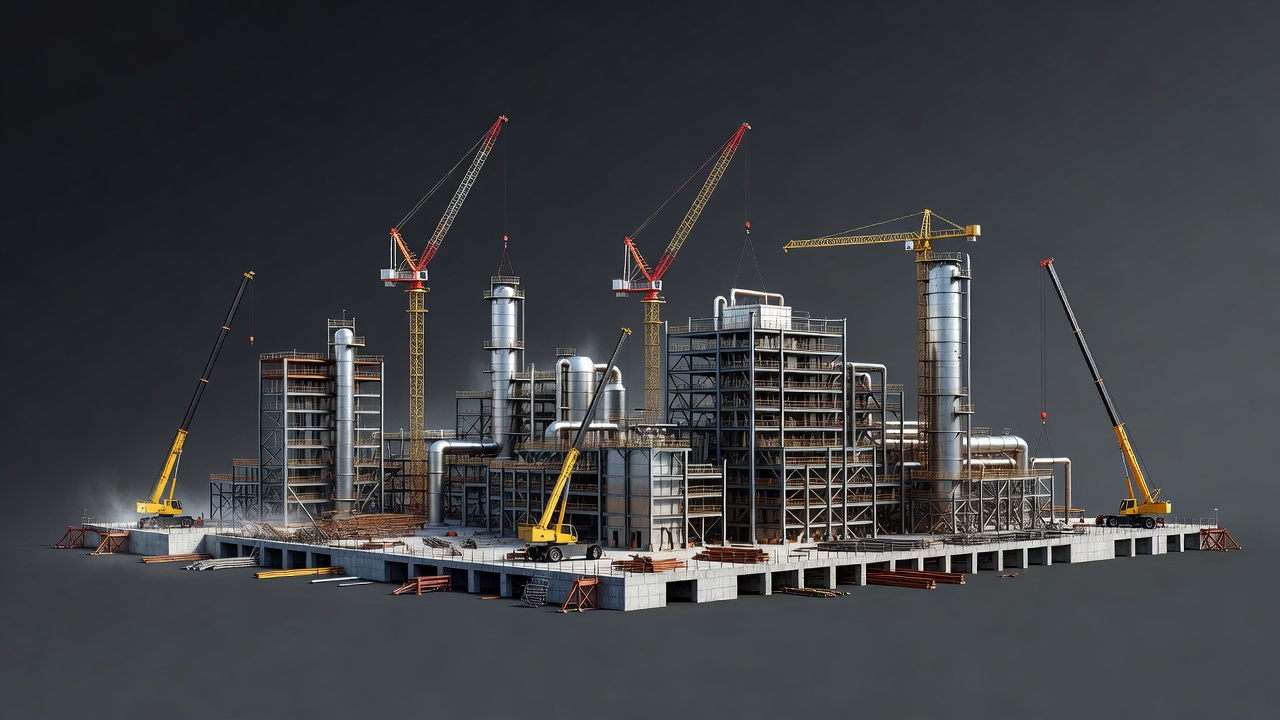
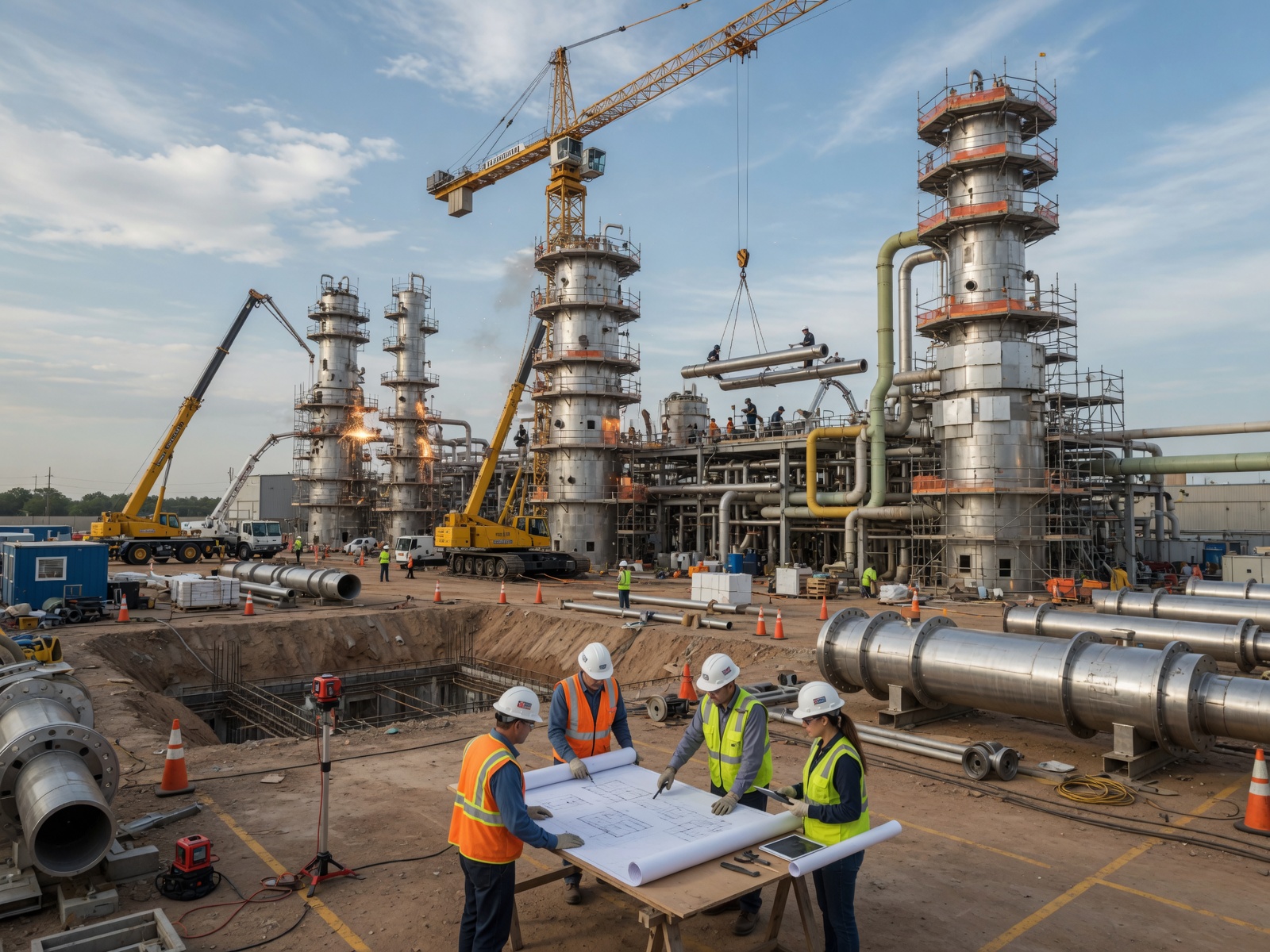
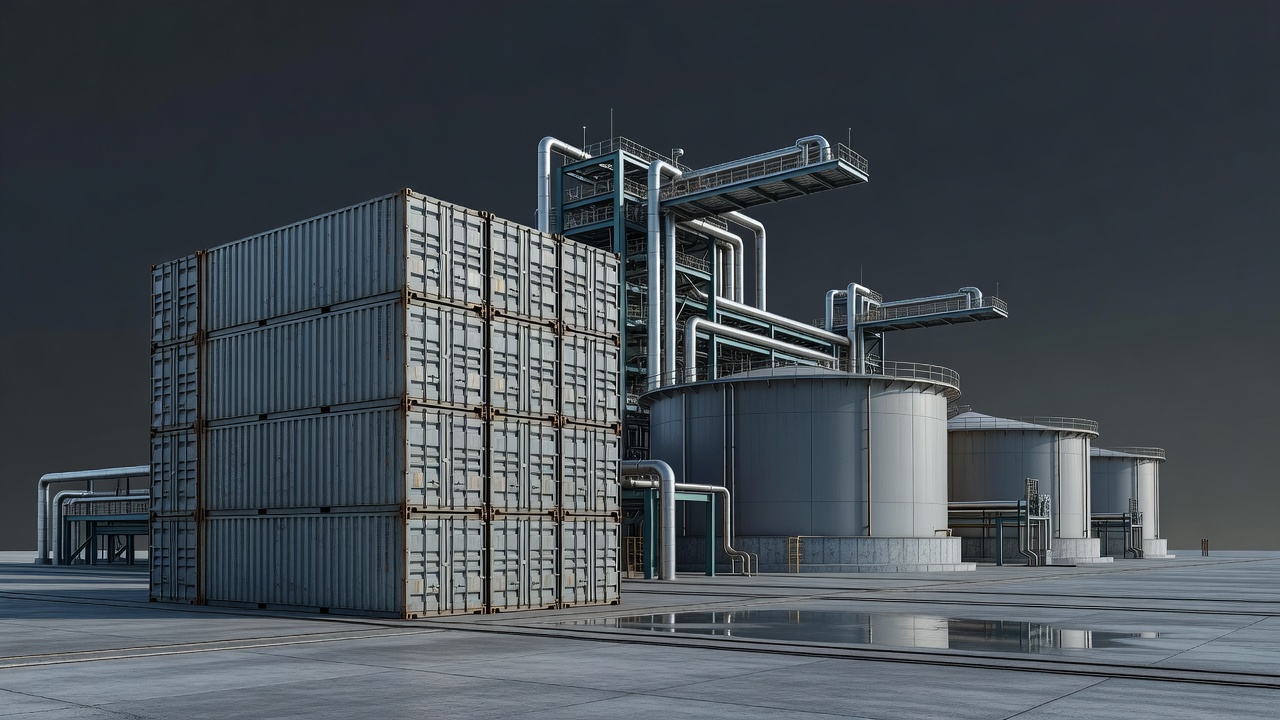
The chemical sector is among the world's most capital-intensive industries. Building or expanding production facilities often requires significant long-term investment in reactors, storage infrastructure, utilities and environmental compliance systems.
Changes in tax policy can influence:
Investment returns.
Capital budgeting decisions.
Project approval timelines.
Facility modernization.
Manufacturing expansion strategies.
When financial conditions become more favourable, companies may accelerate projects that were previously delayed or reconsider new investments.
Capital Allocation Shapes Future Supply
Investment decisions made today influence production capacity for many years.
Chemical companies frequently evaluate:
New manufacturing facilities.
Capacity expansions.
Process efficiency improvements.
Digital manufacturing technologies.
Infrastructure modernization.
These investments determine future product availability across commodity chemicals, polymers and specialty materials.
For buyers, understanding where capital is flowing provides valuable insight into potential future supply trends.
Regional Competitiveness Could Shift
Tax incentives and investment policies can influence where manufacturers choose to locate new production assets.
Companies often compare:
Regions offering favourable investment environments may attract additional chemical manufacturing capacity, strengthening their long-term position within global supply chains.
Procurement Teams Should Monitor Investment Trends
Capital allocation decisions often provide earlier market signals than production statistics.
Procurement professionals should monitor:
Announced expansion projects.
Capacity investment programmes.
Facility modernization initiatives.
Strategic acquisitions.
Manufacturing location decisions.
Following investment activity helps buyers anticipate future supply changes before new capacity enters commercial operation
Investment Today Influences Tomorrow's Procurement Options
New capital projects affect more than production volume. They can also improve manufacturing efficiency, reduce operating costs and strengthen supply chain resilience.
Potential long-term benefits include:
Increased regional production capacity.
Improved manufacturing technology.
Better operational efficiency.
Enhanced supply reliability.
Greater product availability.
As new facilities become operational, procurement teams may gain access to additional sourcing options and more competitive markets.
Long-Term Procurement Requires Strategic Market Intelligence
Successful procurement increasingly depends on understanding structural industry trends rather than focusing only on short-term price movements.
Organizations should regularly evaluate:
Industry investment announcements.
Capacity expansion plans.
Regional manufacturing growth.
Supplier financial strength.
Long-term production strategies.
This broader perspective allows companies to align sourcing decisions with future market developments rather than reacting only to immediate supply conditions.
What Chemical Buyers Should Do Now
The One Big Beautiful Bill Act demonstrates how public policy can influence chemical industry investment long before production volumes change. As companies adjust capital allocation strategies, procurement teams should monitor where new manufacturing capacity is being developed and how those investments may affect future sourcing opportunities.
Organizations that combine investment intelligence with supplier engagement and long-term market analysis will be better positioned to secure reliable supply while adapting to the next phase of chemical industry growth.
Ready to source chemical products from verified global suppliers? Explore competitive offers on our platform today.