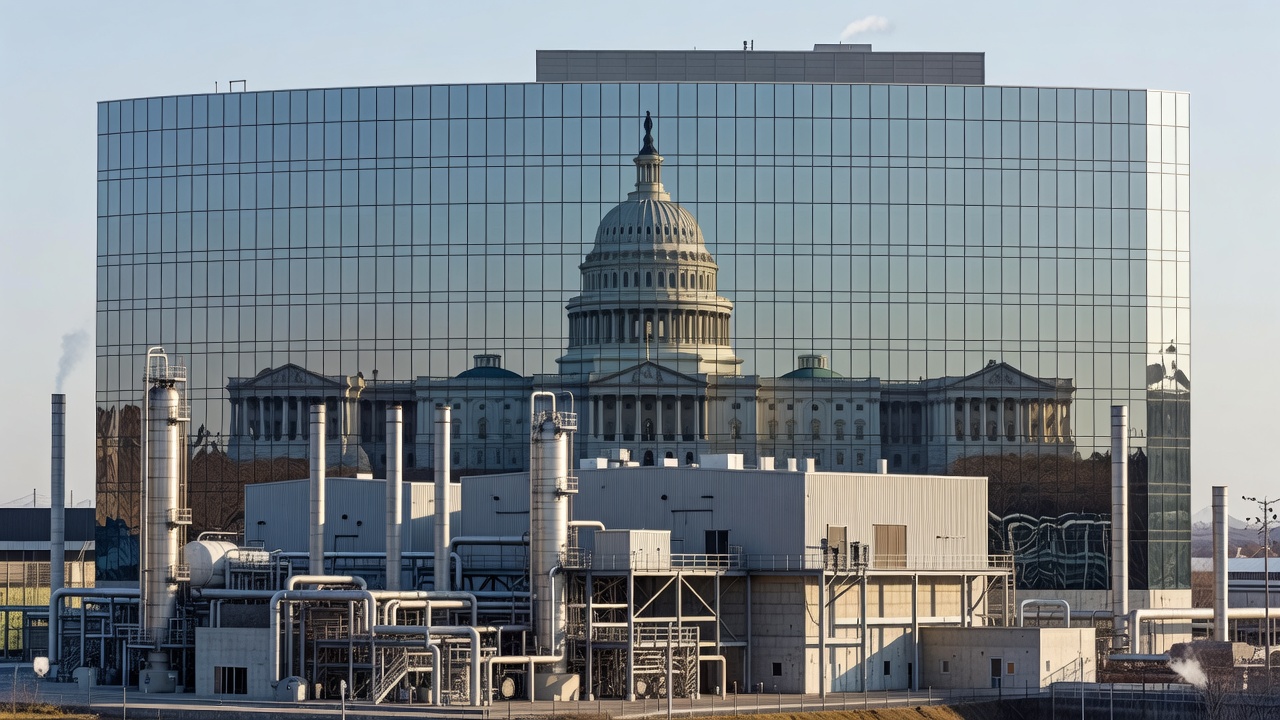
Government policy is becoming an increasingly important driver of investment decisions across the chemical industry. Alongside market demand, energy prices and sustainability goals, manufacturers must also respond to evolving tax policy, industrial incentives and environmental regulation.
Deloitte's 2026 Chemical Industry Outlook identifies the One Big Beautiful Bill Act as one of several policy developments shaping the US operating environment for chemical producers. Rather than replacing existing environmental regulations, the legislation forms part of a broader policy landscape that companies must evaluate alongside ongoing TSCA implementation, PFAS regulation and Clean Air Act requirements.
Why Industrial Policy Matters for Chemical Manufacturers
The chemical industry depends heavily on long-term capital investment.
New production facilities, capacity expansions and technology upgrades often require investment horizons measured in decades rather than years. Because of this, companies monitor legislative developments that may influence manufacturing costs, taxation, energy availability and future competitiveness.
Changes in industrial policy can affect where companies choose to invest, how quickly projects move forward and how procurement teams evaluate long-term sourcing strategies.
Manufacturing Incentives and Investment
One of the themes discussed by industry analysts is the role of policy in encouraging domestic manufacturing.
Measures designed to improve the investment environment can influence decisions involving:
Construction of new chemical manufacturing facilities.
Expansion of existing production assets.
Modernization of industrial equipment.
Investment in advanced manufacturing technologies.
Long-term competitiveness of domestic production.
For chemical companies, these policy signals often become part of broader capital planning rather than standalone investment decisions.
Energy Policy and Chemical Production
Energy policy remains closely connected to chemical manufacturing because many production processes rely on affordable and reliable energy supplies.
Changes affecting energy infrastructure, fuel availability or industrial energy costs can influence production economics across petrochemicals, fertilizers, polymers and specialty chemicals.
Procurement teams therefore monitor energy policy not only for utility costs but also for its potential effect on raw material availability and supply chain stability.
The Regulatory Landscape Extends Beyond One Law
Although the One Big Beautiful Bill Act represents an important policy development, it does not exist in isolation.
Chemical companies continue operating within a regulatory framework that includes multiple federal programs and statutes.
These include:
TSCA requirements governing chemical substances.
Ongoing PFAS regulatory developments.
Clean Air Act compliance obligations.
Occupational safety requirements.
State-level environmental regulations where applicable.
Managing compliance therefore requires organizations to consider legislative changes alongside existing regulatory responsibilities.
What Procurement and Compliance Teams Should Monitor
Policy developments often influence procurement indirectly before they affect day-to-day operations.
Areas worth monitoring include:
Changes affecting domestic manufacturing competitiveness.
Energy policy developments relevant to industrial operations.
Tax provisions that may influence capital investment.
Regulatory implementation timelines.
Future guidance issued by federal agencies.
Monitoring these developments allows procurement professionals to anticipate potential changes in supplier investment, production capacity and sourcing strategies.
Balancing Investment With Compliance
Legislative initiatives that encourage manufacturing investment do not automatically eliminate existing environmental obligations.
Companies must continue managing regulatory compliance while evaluating opportunities created by broader industrial policy.
This requires coordination across procurement, legal, regulatory affairs, finance and sustainability teams.
Organizations that integrate policy monitoring into strategic planning are generally better positioned to respond as legislation and regulations continue evolving.
Looking Ahead
The US chemical industry is entering a period in which industrial policy, energy strategy and environmental regulation increasingly influence one another.
Rather than viewing legislation and regulation as separate issues, companies benefit from evaluating them together when making investment and procurement decisions.
Monitoring both legislative developments and regulatory implementation will help organizations maintain compliance while identifying opportunities that support long-term competitiveness.
The Bottom Line for Procurement Teams
The One Big Beautiful Bill Act represents one element of a broader policy environment affecting chemical manufacturing in the United States. Investment incentives, energy policy and regulatory requirements all influence how companies plan future production, capital projects and supply chain strategies.
For procurement and compliance professionals, success depends on monitoring legislative developments alongside ongoing TSCA, PFAS and Clean Air Act obligations. A coordinated understanding of both policy and regulation provides a stronger foundation for investment decisions and long-term business planning.
Ready to source chemical products from verified global suppliers? Explore competitive offers on our platform today.