ORLEN and Naftogaz Expand LNG and Fuels Cooperation for 2027
ORLEN and Naftogaz have signed two memoranda that could reshape energy supply cooperation between Poland and Ukraine, with three LNG cargoes planned for potential delivery in the first quarter of 2027 and petroleum-product supplies worth up to $500 million. The agreements also open discussions around Ukrainian crude processing at Central European refineries and the possible transfer of fuel tanker trucks to Ukrnafta.
For chemical traders, fuel importers and procurement teams, the development matters because it connects LNG procurement with refined-product supply, crude logistics and transport capacity. The arrangements also build on existing commercial cooperation between ORLEN and Naftogaz, which has already included US-origin LNG deliveries to Ukraine.
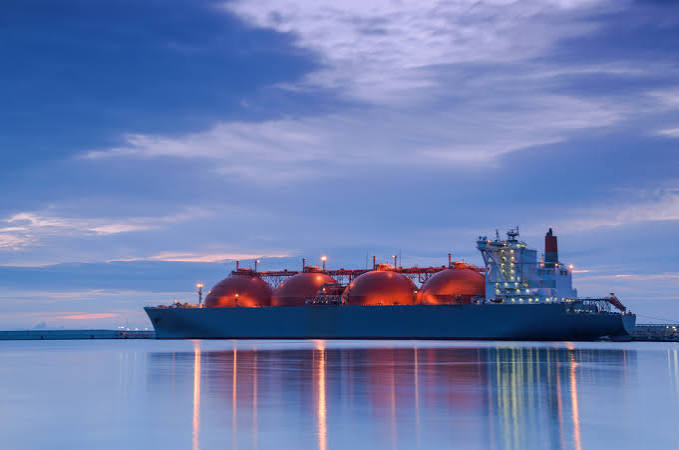
Three LNG Cargoes Target Ukraine's Q1 2027 Demand
The first memorandum covers the potential supply of three LNG cargoes during the first quarter of 2027. The companies did not disclose the precise cargo volumes, delivery schedule or commercial pricing in their announcements, but the additional gas is intended to support Ukraine during the peak seasonal consumption period.
The agreement gives Naftogaz another supply channel as it manages a difficult domestic production environment. For ORLEN, the arrangement expands its LNG trading activity and strengthens its position as a regional supplier across Central and Eastern Europe.
The cooperation follows earlier LNG transactions between the companies. ORLEN and Naftogaz established regular commercial cooperation in 2025, while ORLEN supplied gas derived from US LNG for Ukrainian consumption.
For procurement teams, the important signal is the continued use of diversified LNG supply arrangements rather than reliance on a single gas source or delivery route.
Petroleum Product Supplies Could Reach $500 Million
The second memorandum, signed between ORLEN and Ukrnafta, covers petroleum product supplies to the Ukrainian market with a potential value of up to $500 million. Ukrnafta is part of the Naftogaz Group and operates a major fuel distribution network in Ukraine.
The agreement comes as Ukrainian buyers continue to manage fuel availability, changing seasonal demand and logistics constraints. Ukrnafta has already contracted European-produced ORLEN Arctic diesel and started receiving initial deliveries ahead of the 2026/2027 cold season.
For fuel buyers and distributors, the cooperation could create greater continuity in procurement by connecting Ukrainian demand with a major Central European supplier.
Key commercial considerations include:
Product availability: Additional import channels can help buyers manage supply requirements during periods of elevated demand.
Seasonal specifications: Diesel procurement must account for changing temperature requirements, particularly during winter.
Logistics capacity: Reliable road transport remains important once products enter the Ukrainian market.
Supply diversification: Multiple sourcing arrangements can reduce dependence on individual routes or suppliers.
Central European Refineries Add a New Crude Option
The cooperation extends beyond finished petroleum products. ORLEN and Naftogaz are also exploring the possibility of supplying Ukrainian crude oil to refineries in Central Europe for processing.
This model could connect Ukrainian crude production with available refining capacity outside Ukraine. It also introduces a potential trading route in which crude moves toward regional refineries before refined products return to markets that require them.
The concept has relevance for crude traders because refining location can influence transportation requirements, product availability and the economics of regional supply chains. For procurement teams, it also highlights the value of evaluating feedstock and refined-product markets together rather than treating them as separate trading channels.
Fuel Tanker Transfers Could Strengthen Ukrnafta Logistics
The memoranda also cover a potential transfer of used fuel tanker trucks to Ukrnafta. These vehicles could support the transportation of petroleum products and strengthen the company's ability to move fuel through its distribution network.
Transport capacity has become an important part of fuel procurement because securing product at the refinery or import terminal does not guarantee timely delivery to the end market. Tanker availability, route reliability and storage capacity all influence the final supply chain.
Ukrnafta has separately been expanding its own tanker fleet. In August 2026, the company announced plans to acquire 100 modern fuel tankers, including 33 through financial leasing and 67 using its own funds.
The potential ORLEN-related tanker transfer therefore fits into a broader effort to improve fuel logistics capacity.
Why the Cooperation Matters to Regional Energy Traders
The two memoranda combine several parts of the energy value chain that traders usually manage separately. LNG addresses natural gas supply, petroleum products support transport and industrial demand, crude processing connects upstream supply with refining capacity and tanker assets support downstream distribution.
This creates several areas that procurement managers may monitor through 2027:
LNG sourcing: Additional cargoes could affect regional gas availability during the first quarter.
Refined products: The proposed $500 million petroleum-product framework creates a significant potential procurement channel for Ukraine.
Crude movements: Central European refining could create additional routes for Ukrainian crude.
Road logistics: Additional tankers could improve the movement of imported and locally processed petroleum products.
The broader commercial theme is diversification. ORLEN describes the partnership as part of its commitment to energy security in Central and Eastern Europe, while Naftogaz has emphasized the importance of reliable gas sources and diversified delivery routes.
Procurement Risks Remain Across LNG and Fuel Supply Chains
The agreements create potential supply opportunities, but buyers still need to manage the practical variables that determine delivered cost and availability. LNG cargo timing, terminal access, regasification capacity, pipeline transportation and seasonal consumption can all affect gas procurement.
For petroleum products, procurement teams must consider product specifications, inventory requirements, transport availability and delivery schedules. These factors become particularly important when winter demand increases.
Ukraine's energy infrastructure also remains exposed to disruption. Naftogaz reported that attacks during the first seven months of 2026 damaged or destroyed multiple filling stations operated by its network, while attacks on oil and gas production facilities have affected operating capacity.
For international suppliers, this means logistics planning must remain closely linked to commercial contracting. A competitive product price has limited value if transportation, storage or delivery arrangements cannot support the required supply schedule.
What the Agreements Mean for Chemical and Industrial Buyers
Although the memoranda focus on energy commodities rather than specialty chemicals, the developments have implications for industrial procurement. Natural gas and petroleum products remain important inputs across manufacturing, transportation, power generation and chemical production.
Changes in regional gas and fuel availability can influence operating costs for energy-intensive facilities. Refinery activity can also affect the availability and pricing environment for petroleum-derived feedstocks and related industrial materials.
Procurement teams can therefore watch the cooperation for signals in several areas:
Energy costs: Greater supply diversification can influence regional procurement strategies and contract structures.
Industrial feedstocks: Refining and gas supply conditions can affect the broader availability of hydrocarbon-based inputs.
Transportation: Fuel availability directly affects road freight costs and the movement of chemical products.
Regional sourcing: Stronger Poland-Ukraine energy links could create additional commercial routes for suppliers serving Central and Eastern European markets.
For chemical traders, the key point is that energy logistics often influence the economics of the wider industrial supply chain.
Looking Ahead to 2027
The ORLEN and Naftogaz memoranda establish several potential cooperation tracks rather than a single commodity transaction. Three LNG cargoes are planned for consideration in Q1 2027, while petroleum product supplies could reach $500 million and further discussions could cover Ukrainian crude processing and tanker logistics.
The next stage will depend on how these arrangements translate into executed cargoes, product deliveries and logistics operations. For buyers, the developments provide a reason to monitor LNG availability, refined-product flows and Central European refining activity as 2027 approaches.
The combination of gas, fuels, crude processing and transport assets also demonstrates how regional energy procurement is becoming increasingly integrated. Companies that track supply routes alongside commodity prices can better understand the commercial factors affecting delivered energy and industrial input costs.
For traders and procurement managers, the immediate focus should remain on confirmed cargo schedules, product specifications, delivery terms and available logistics capacity.
Bitumen
Found this useful?