
Oxygen Scavengers in Food Packaging for Longer Shelf Life
Oxygen exposure can reduce the quality of packaged foods by accelerating oxidation, changing flavour and aroma and damaging certain nutrients. Oxygen scavengers in food packaging help manufacturers control these changes by removing residual oxygen from sealed packages and limiting oxygen-related deterioration during storage and transportation.
These technologies support the preservation of nuts, coffee, bakery products, cheese and selected processed foods. When manufacturers combine oxygen scavengers with suitable packaging materials and storage conditions, they can maintain product quality for longer and reduce avoidable food waste.
For chemical traders, importers and procurement managers, oxygen scavengers offer opportunities in the growing active packaging supply chain. Understanding their applications, operating principles and sourcing requirements helps buyers select appropriate products and build reliable supplier relationships.
What Are Oxygen Scavengers in Food Packaging?
Oxygen scavengers are substances or packaging components that absorb or chemically react with oxygen inside a sealed food package. They form part of active packaging, which interacts with the package environment to help preserve the quality of its contents.
How Oxygen Scavengers Work
Conventional packaging provides a barrier against external contaminants and environmental conditions. However, oxygen can remain trapped inside a package after sealing or gradually enter through packaging materials and imperfect seals.
Oxygen scavengers reduce this oxygen through chemical or biochemical reactions. Manufacturers can use small sachets, specialised films, labels or integrated packaging layers, depending on the product and production process.
Common technologies include:
Iron-based absorbers: These react with oxygen to form iron oxides and serve many dry food packaging applications.
Ascorbic acid-based systems: These use the oxygen-reactive properties of ascorbic acid in selected packaging formulations.
Enzyme-based systems: These consume oxygen through controlled biochemical reactions under suitable conditions.
Polymer-integrated scavengers: These incorporate reactive compounds into packaging materials to provide oxygen control within the package structure.
Each technology has different capacity, reaction speed and operating requirements. Buyers should evaluate the food type, packaging format and expected storage conditions before selecting a suitable solution.
How Oxygen Scavengers Extend Food Shelf Life
Oxygen can trigger chemical reactions that gradually affect food quality. It can also support certain aerobic microorganisms, making oxygen management an important part of food preservation.
Reducing Oxidation and Rancidity
Fats and oils can react with oxygen and develop undesirable flavours and odours. This process affects products such as nuts, seeds, snack foods and other foods containing oxidation-sensitive oils.
An effective scavenger reduces the oxygen available for these reactions. Manufacturers can improve flavour retention by combining oxygen control with appropriate barrier packaging and storage practices.
Protecting Colour, Aroma and Nutrients
Oxygen exposure can cause colour changes in selected foods and damage delicate aroma compounds in products such as coffee. It can also contribute to the deterioration of certain oxidation-sensitive nutrients.
Reducing oxygen levels helps manufacturers maintain desirable product characteristics during storage. The results depend on the food formulation, packaging quality and performance of the scavenging system.
Improving Distribution and Inventory Management
Longer product stability can provide manufacturers, distributors and retailers with greater flexibility when planning shipments and managing inventory. It may also reduce losses associated with premature quality deterioration.
However, oxygen scavengers do not replace refrigeration, sanitation or validated preservation processes. Manufacturers must continue to manage temperature, moisture and microbiological risks.
Major Applications Across the Food Industry
Oxygen scavengers support multiple food categories, particularly products that experience oxidation or oxygen-sensitive spoilage during storage.
Nuts, Seeds and Snack Foods
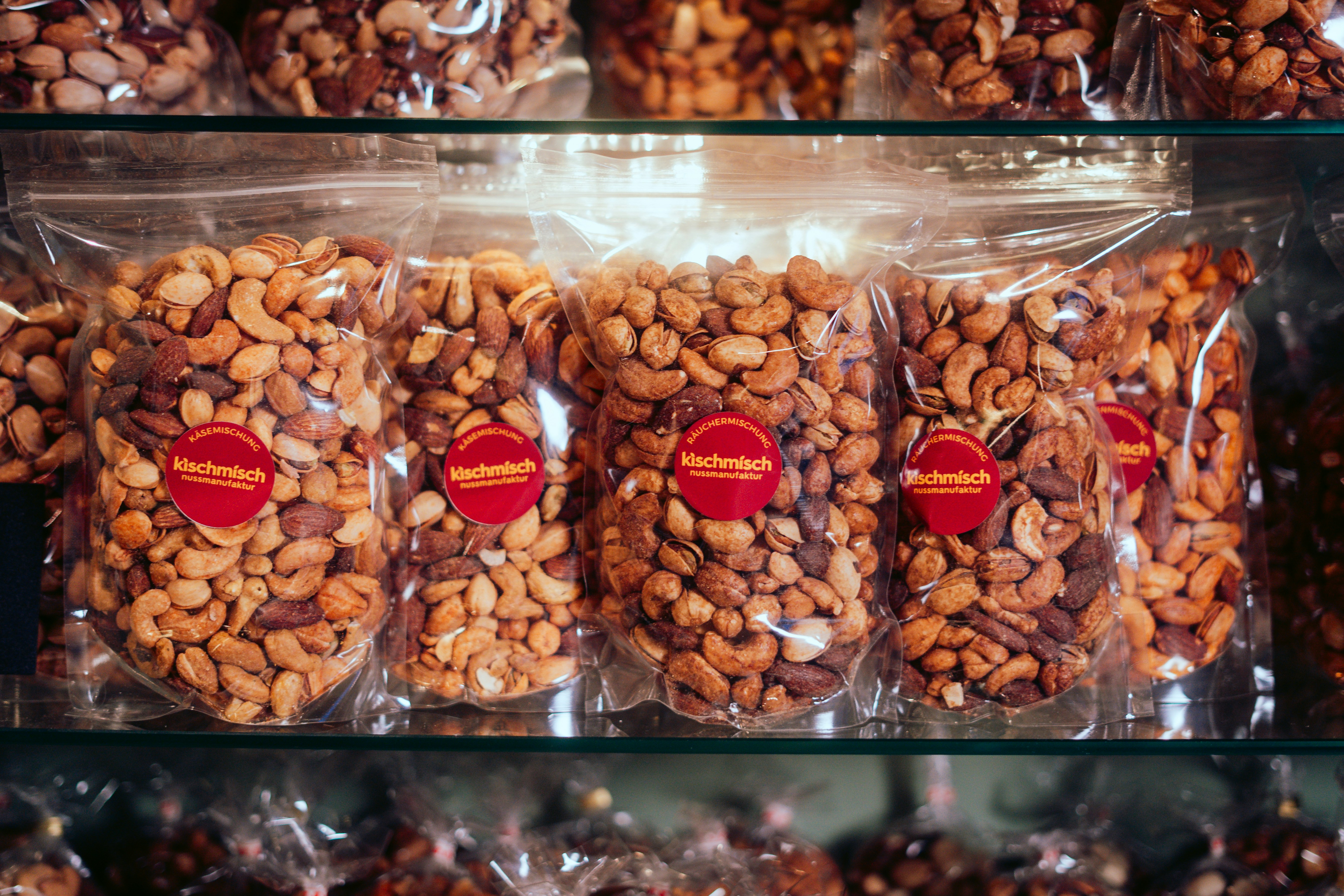
Nuts and seeds contain natural oils that can oxidise over time. Oxygen absorbers help protect flavour and freshness when manufacturers combine them with suitable packaging materials.
Roasted nuts, mixed seeds and selected snack products can benefit from this approach, particularly when suppliers distribute products over long distances.
Coffee and Dry Beverage Products
Oxygen can damage the aroma compounds responsible for coffee's characteristic flavour. Oxygen scavenging systems can help protect product quality in compatible packaging formats.
Manufacturers must also consider carbon dioxide released by freshly roasted coffee. Packaging systems should accommodate gas release where necessary while maintaining effective oxygen protection.
Bakery Products and Confectionery
Selected bakery products benefit from oxygen management when oxidation or aerobic mould growth limits their shelf life. Cakes, biscuits and other baked goods require different approaches depending on moisture content and formulation.
Chocolate and certain confectionery products may also benefit when their ingredients or fillings remain sensitive to oxidation. Manufacturers should select packaging solutions according to the specific product requirements.
Cheese and Processed Foods
Oxygen control can help protect selected cheese products against oxidation and unwanted surface changes. Some processed meat applications also use oxygen-management technologies to support colour and quality retention.
Manufacturers must evaluate the microbiological requirements of each product before introducing a scavenger, particularly when low-oxygen conditions could affect pathogen growth.
How to Select the Right Oxygen Scavenger
Choosing an oxygen scavenger requires an understanding of the food product, packaging structure and expected shelf life. Procurement teams should assess technical performance and application compatibility before placing bulk orders.
Iron-Based Oxygen Absorbers
Iron-based systems use the reaction between iron and oxygen to form iron oxides. Many formulations also require moisture to initiate or accelerate this reaction.
These products suit numerous dry food applications, but their performance depends on formulation and storage conditions. Buyers should confirm oxygen absorption capacity, activation requirements and compatibility with the intended food packaging.
Ascorbic Acid-Based Systems
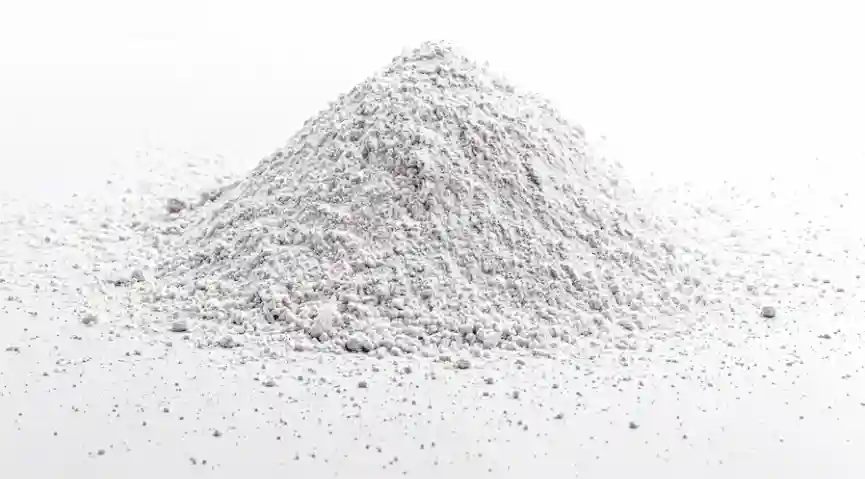
Ascorbic acid, also known as vitamin C, has oxygen-reactive properties that support its use in selected oxygen-control applications. Formulation and packaging design determine how effectively these systems perform.
Buyers should request technical specifications covering reaction speed, stability and intended use. They should also verify that the proposed formulation meets the requirements of the target application.
Enzyme-Based and Polymer-Integrated Systems
Enzyme-based systems use biochemical reactions to consume oxygen. Their performance depends on factors such as temperature, moisture and the selected enzyme system.
Polymer-integrated scavengers incorporate reactive compounds into packaging films or other components. These systems may suit automated production lines, although manufacturers must assess processing conditions, material compatibility and applicable food-contact requirements.
Factors Affecting Sourcing Costs and Performance
The purchase price alone does not determine the commercial value of an oxygen scavenger. Procurement teams should also consider product performance, storage requirements and its contribution to reducing food losses.
Absorption Capacity and Reaction Speed
A scavenger must handle residual oxygen after sealing and oxygen that may enter during storage. An undersized product may fail to maintain the required conditions throughout the intended shelf life.
Reaction speed also matters because some foods need rapid oxygen reduction to limit early deterioration. Buyers should compare technical specifications against the needs of their particular packaging process.
Packaging Quality and Storage Conditions
Packaging materials with strong oxygen-barrier properties help reduce oxygen entry. Reliable seals are equally important because leaks can undermine the performance of even a suitable scavenger.
Temperature and moisture can influence reaction speed and absorption capacity. Procurement teams should confirm the recommended storage conditions for the scavenger and the finished packaged product.
Order Volumes and Supplier Reliability
Commercial buyers should evaluate minimum order quantities, production capacity, lead times and specification consistency. Reliable supply becomes particularly important when packaging operations depend on a specific absorber format.
Requesting samples and conducting application trials can help buyers assess performance before committing to larger orders. Cost comparisons should include potential food waste, rejected packages and the value of improved product stability.
Food Safety and Regulatory Compliance Requirements
Oxygen scavengers used in food packaging must meet the applicable requirements of the destination market. Regulations may cover material composition, food-contact suitability, migration, labelling and contamination prevention.
Essential Supplier Documentation
Before approving a product, procurement teams should request relevant technical and regulatory documents, including:
Technical data sheet: Provides product specifications, absorption capacity, activation conditions and intended applications.
Safety data sheet: Outlines relevant handling, storage and safety precautions.
Food-contact compliance documentation: Supports assessment against the applicable requirements for the intended packaging use.
Quality and testing records: May include performance data, migration testing and batch-specific quality information.
Importers should confirm the requirements of each destination market rather than assuming that approval in one country guarantees acceptance elsewhere.
Preventing Food Safety Risks
Sachet-based absorbers must remain separate from food unless the specific product and application permit direct contact. Suitable packaging design, clear identification and production controls help prevent accidental consumption.
Oxygen scavengers also do not eliminate all microbial hazards. Certain pathogens can grow in low-oxygen environments, so manufacturers must maintain appropriate hygiene, temperature controls and validated food safety procedures.
Sustainability and Emerging Packaging Technologies
Food manufacturers increasingly evaluate packaging according to its impact on food waste, material consumption and disposal. Oxygen scavengers may help reduce avoidable losses when they extend the period during which food retains acceptable quality.
However, the environmental impact depends on the complete packaging system. Additional sachets or reactive materials may complicate recycling, depending on their composition and the waste-management infrastructure available.
Developments in Active Packaging
Research and product development increasingly explore bio-based scavenging compounds, biodegradable active films and improved integration of reactive materials into packaging structures. These approaches aim to combine effective oxygen control with more efficient material use.
Commercial buyers should request evidence supporting sustainability claims. Relevant information includes material composition, disposal requirements, recyclability and performance under representative storage conditions.
What Procurement Teams Should Do Before Buying
A successful sourcing strategy connects technical specifications with commercial requirements. Buyers should select oxygen scavengers that meet the application's performance needs, comply with relevant regulations and remain dependable throughout the supply chain.
A Practical Purchasing Checklist
Define the application: Identify the food category, package dimensions, target shelf life and expected distribution conditions.
Determine oxygen requirements: Assess residual oxygen and potential oxygen ingress to estimate the necessary absorption capacity.
Compare technical specifications: Review reaction speed, activation requirements, storage conditions and packaging compatibility.
Verify compliance documentation: Confirm that suppliers can provide the documents required for the intended application and destination market.
Conduct packaging trials: Test the complete package under representative production, transport and storage conditions.
Evaluate total cost: Compare unit prices, supply reliability, packaging efficiency and potential reductions in product losses.
For chemical traders and food manufacturers, a structured sourcing process helps reduce technical uncertainty and improve purchasing decisions. Reliable suppliers also support consistent product quality, predictable delivery schedules and efficient packaging operations.
Oxygen scavengers can play an important role in maintaining food quality when manufacturers match the right technology to the right application.
Ascorbic Acid
Found this useful?