The EU Deforestation Regulation (EUDR) is reshaping procurement practices for companies sourcing palm-derived ingredients into the European market. Unlike many regulatory initiatives that allow long transition periods, EUDR compliance has become an operational requirement for businesses placing covered products on the EU market. For manufacturers using palm-derived emulsifiers, fatty acids and glycerin, sourcing decisions now extend beyond price and quality to include supply chain traceability and documented proof of compliance.
Food ingredient procurement professionals must therefore understand not only where palm-derived ingredients originate but also how suppliers document cultivation, processing and movement through the supply chain. Strong supplier relationships alone are no longer sufficient. Buyers increasingly require verifiable documentation demonstrating that raw materials satisfy the regulation's deforestation requirements before products can enter European markets.
Why the EUDR Matters for Palm-Derived Ingredients
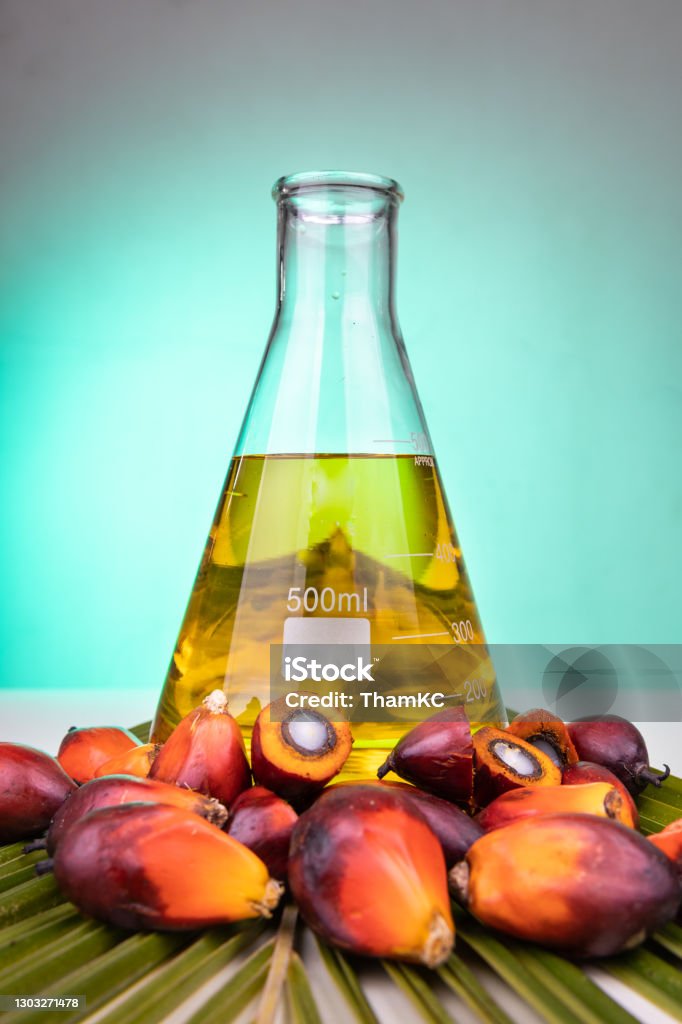
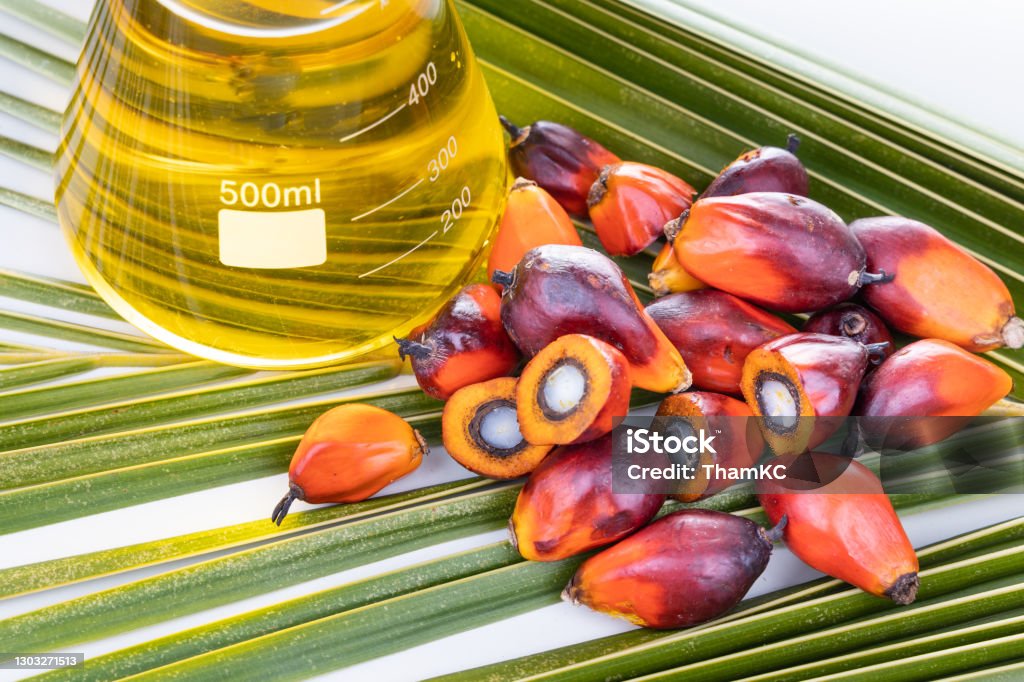
Palm oil remains one of the world's most widely used vegetable oils, serving food, personal care and industrial markets. Numerous food ingredients originate from refined palm oil through downstream oleochemical processing.
Common palm-derived ingredients include:
Fatty acids used in food processing and specialty formulations.
Glycerin used as a humectant and processing aid.
Emulsifiers incorporated into bakery, confectionery and processed food products.
Functional lipid ingredients used across multiple food applications.
Because these products originate from palm oil, their compliance depends on the traceability of the original agricultural raw material rather than solely on downstream refining operations.
For companies supplying EU customers, documenting this origin has become a core procurement responsibility.
What Documentation Does the EUDR Require?
The EUDR focuses on demonstrating that covered commodities and their derivatives do not originate from land subject to prohibited deforestation after the regulation's reference date.
For palm-derived food ingredients, procurement teams should expect suppliers to provide documentation covering several critical areas.
Geolocation of cultivation plots
Suppliers should be able to identify the geographic coordinates of the palm plantations or cultivation plots where the fruit was harvested. This information enables verification that production did not occur on land associated with prohibited deforestation.
Chain of custody documentation
Every stage between plantation, mill, refinery and ingredient manufacturer should be documented. Buyers need visibility into how materials moved through the supply chain without losing traceability.
No-deforestation verification
Suppliers should maintain evidence demonstrating that palm production complies with applicable EUDR requirements regarding deforestation-free sourcing.
Due diligence information
Supporting documentation should allow downstream buyers to complete their own compliance assessments before placing products on the European market.
Rather than treating compliance as a single certificate, procurement teams should view these documents as components of a broader traceability system.
Why Supplier Traceability Has Become a Competitive Advantage
Historically, procurement decisions for palm-derived ingredients focused primarily on quality, technical specifications, delivery reliability and commercial pricing.
The EUDR introduces another equally important factor: documented transparency.
Suppliers capable of providing complete traceability records are increasingly positioned to support manufacturers serving European customers.
Procurement professionals should evaluate supplier capabilities in areas such as:
Digital traceability systems covering the complete supply chain.
Documentation management supporting regulatory reporting.
Verification procedures for upstream suppliers and plantations.
Record retention practices that simplify customer audits.
These capabilities increasingly differentiate suppliers competing in European food ingredient markets.
Structuring Supplier Audit Requests
Procurement teams should adapt supplier qualification processes to reflect EUDR expectations. Traditional quality audits remain important, but they should now include detailed questions regarding traceability and regulatory documentation.
Effective supplier audit requests should address:
The availability of geolocation information for supplying plantations.
Documented chain of custody procedures from cultivation through refining.
Internal verification processes confirming no-deforestation compliance.
Record management systems supporting regulatory due diligence.
Procedures for updating documentation when sourcing regions or suppliers change.
A structured audit process helps buyers identify potential compliance gaps before they affect production schedules or customer deliveries.
How the EUDR Changes Procurement Operations
For procurement professionals supplying the European market, EUDR compliance is no longer limited to sustainability teams or regulatory specialists. It has become part of routine supplier qualification, purchasing and documentation management.
Every shipment of palm-derived ingredients intended for the EU should be supported by traceable information that demonstrates compliance throughout the supply chain.
Procurement teams should verify that suppliers can consistently provide:
Geolocation data identifying the cultivation plots where palm fruit was harvested.
Chain of custody records documenting material movement from plantation to mill, refinery and ingredient manufacturer.
No-deforestation verification supported by supplier due diligence procedures.
Supporting documentation that enables downstream customers to complete their own compliance assessments.
Receiving these documents before purchase orders are finalized can reduce the risk of shipment delays or compliance issues later in the supply chain.
Building an Effective Supplier Documentation Checklist
A standardized documentation request helps ensure consistency across multiple suppliers while simplifying audit preparation.
A practical supplier checklist should include:
Geolocation coordinates for all supplying plantations or production plots.
Details of the supplying mills and refineries involved in production.
Complete chain of custody documentation covering each stage of processing.
Evidence supporting no-deforestation compliance.
Internal traceability procedures linking finished ingredients to original raw materials.
Documentation retention policies and update procedures.
Using a consistent checklist allows procurement teams to compare suppliers more efficiently while identifying documentation gaps before products enter production.
.
Preparing Supplier Audits for Palm-Derived Ingredients
Supplier audits should extend beyond product quality and manufacturing capability to include traceability controls supporting EUDR compliance.
Useful audit questions include:
How is plantation geolocation data collected and verified?
What systems maintain chain of custody records throughout processing?
How frequently are traceability records reviewed and updated?
Which procedures verify that supplied raw materials meet no-deforestation requirements?
How quickly can supporting documentation be provided for customer due diligence requests?
What corrective actions are implemented if traceability gaps are identified?
Including these questions during supplier qualification helps reduce compliance risks while strengthening long-term sourcing relationships.
Strategic Implications for Palm Oleochemical Buyers
The EUDR is influencing more than regulatory reporting. It is reshaping supplier selection, investment decisions and global trade flows for palm-derived ingredients.
Suppliers with mature traceability systems and well-documented sourcing practices are likely to become preferred partners for manufacturers serving European markets. At the same time, buyers may increasingly diversify sourcing to reduce dependence on suppliers that cannot consistently provide complete documentation.
For procurement professionals, compliance should be viewed as a competitive capability rather than simply an administrative requirement. Strong documentation processes can improve customer confidence while supporting uninterrupted access to the European market.
What Buyers Should Do Now
The EU Deforestation Regulation has fundamentally changed procurement expectations for palm-derived food ingredients. Compliance now requires buyers to understand not only ingredient specifications but also the origin of raw materials, the integrity of the supply chain and the quality of supplier documentation.
Procurement teams should establish standardized supplier audit procedures, require comprehensive traceability documentation and regularly review supplier compliance capabilities. Organizations that integrate these practices into everyday sourcing operations will be better positioned to manage regulatory requirements while maintaining reliable access to palm-derived emulsifiers, fatty acids and glycerin for EU customers.