Petrobras Invests R$800 Million in Repar Refinery Maintenance Shutdown
Petrobras is executing a massive operational overhaul at its Repar refinery in Araucária. The national energy giant is investing R$800 million in a scheduled maintenance shutdown. This critical project runs from October 5 through the second half of November. Chemical traders and procurement managers must prepare for temporary shifts in regional feedstock availability. The extensive work aims to modernize processing units and improve overall safety. This massive capital expenditure signals a strong commitment to extended petrochemical production. Global buyers should view this temporary disruption as a strategic upgrade for future supply chain reliability.
The Scope of the Repar Refinery Maintenance Shutdown
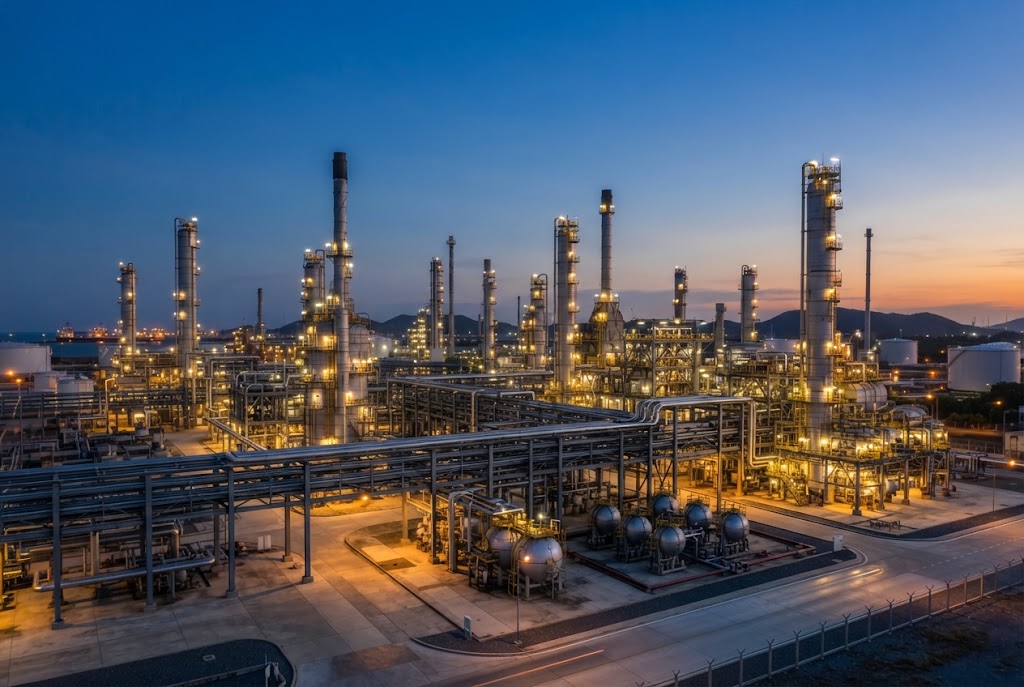
The scale of this R$800 million investment highlights the strategic importance of the Araucária facility. Petrobras has mobilized a massive workforce to execute the complex engineering tasks required. The number of workers on site will peak at around 6,000 during the height of the shutdown. This immense human capital ensures the rapid completion of vital infrastructure upgrades.
Management scheduled the downtime specifically to minimize extended market disruptions. The project covers a tight window from early October until the latter half of November. Engineers will inspect, repair and upgrade critical distillation columns and cracking units. These physical improvements directly enhance the operational lifespan of the refinery. Procurement teams must account for this specific timeline when planning their fourth quarter inventory purchases.
Modernizing Processing Units for Higher Yields
Aging infrastructure often limits the efficiency of crude oil conversion processes. The primary objective of this shutdown involves modernizing these core processing units. Upgraded equipment allows the facility to extract higher volumes of valuable light fractions from every barrel of crude. This directly increases the output of essential petrochemical building blocks.
Advanced distillation technology improves the separation of complex hydrocarbon mixtures. Refinery operators will achieve tighter control over product specifications following these upgrades. Chemical buyers demand strict purity standards for industrial solvents and polymer precursors. The new equipment ensures the Repar facility consistently meets these rigorous international benchmarks. This modernization ultimately translates to a more reliable and higher quality feedstock supply for downstream manufacturers.
Safety Protocols and Workforce Management During the Shutdown
Managing a peak workforce of 6,000 personnel introduces significant logistical and safety challenges. Petrobras has implemented rigorous safety protocols to protect every worker on the Araucária site. The company conducts extensive daily briefings to ensure strict adherence to operational guidelines.
This intense focus on safety directly benefits downstream chemical buyers. Facilities with strong safety records experience fewer unplanned outages and regulatory interventions. A secure working environment guarantees that the modernization project stays on its strict November schedule. Procurement managers value this operational discipline when selecting extended feedstock partners. The successful management of this massive workforce proves the organizational maturity of the refinery operators.
Impact on Regional Petrochemical Supply Chains
A temporary halt in production inevitably creates short term ripples across local chemical markets. South American manufacturers relying on the Araucária refinery must secure alternative feedstock sources during the shutdown. Importers and exporters should anticipate tighter spot market conditions for specific refinery byproducts throughout October and November.
However, the extended benefits of this R$800 million investment far outweigh the temporary inconvenience. A modernized refinery operates with greater stability and fewer unplanned outages. This reliability is absolutely crucial for chemical plants running continuous production cycles. Procurement managers can build more accurate forecasting models once the facility returns to full operational capacity. The upgraded infrastructure firmly cements Brazil as a dominant supplier of essential chemical intermediates in the Americas.
Key Chemical Derivatives Affected by the Araucária Upgrade
The modernization of the Repar refinery will directly influence the availability of several critical industrial chemicals. Buyers sourcing these specific derivatives should monitor the restart schedule closely. The upgraded processing units will optimize the yield of the following essential products.
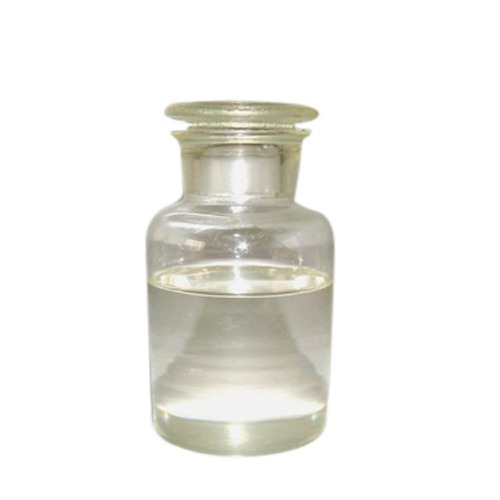
Styrene Monomer: Enhanced catalytic reforming capabilities will boost the production of vital aromatic precursors. This ensures a steady supply of raw materials for polystyrene and synthetic rubber manufacturers. Consistent monomer availability prevents costly production delays in downstream polymer facilities.
Sulphuric Acid: Improved sulfur recovery units will capture higher volumes of this essential industrial acid. Chemical processors rely heavily on this compound for fertilizer production and metal refining. Upgraded recovery systems directly support the agricultural and metallurgical supply chains.
Linear Alkylbenzene Sulfonic Acid: Increased output of specific kerosene fractions supports the manufacturing of this crucial surfactant. Detergent producers require a reliable flow of these base chemicals to maintain their production schedules. Stable feedstock pricing allows consumer goods manufacturers to protect their profit margins.
Propylene: Optimized fluid catalytic cracking units will generate greater volumes of this vital light olefin. This directly benefits producers of polypropylene and specialized acrylic coatings. Higher propylene yields strengthen the entire regional plastics manufacturing sector.
Energy Efficiency and Sustainability in Refining Operations
Modern chemical procurement heavily prioritizes environmental sustainability and energy efficiency. The Petrobras investment specifically targets improvements in these critical operational areas. Upgrading legacy equipment significantly reduces the overall energy consumption of the refining process.
Lower energy requirements translate directly to a smaller carbon footprint for the produced chemicals. Environmentally conscious buyers increasingly demand low carbon feedstocks to meet their own corporate environmental targets. The modernized Repar facility will easily satisfy these stringent sustainability requirements. This focus on energy efficiency also lowers the baseline operating costs for the refinery. Reduced operational expenses help buffer chemical buyers against sudden spikes in global energy prices.
Navigating Short Term Supply Disruptions
Procurement teams must adopt proactive strategies to manage the temporary supply constraints. Buyers should review their current inventory levels well before the October 5 start date. Securing forward contracts with alternative regional suppliers provides a vital safety net during the shutdown period.
Logistics partners must also prepare for potential congestion at neighboring ports. Diverted cargo flows often strain local transportation infrastructure during major refinery outages. Chemical traders should book freight capacity early to avoid expensive last minute shipping premiums. Maintaining open communication channels with the refinery management team provides crucial immediate updates. This transparency allows buyers to adjust their production schedules dynamically as the restart date approaches.
Quality Control and Assay Verification Post Restart
Refinery restarts often produce substandard materials during the initial stabilization phase. Procurement managers must demand rigorous quality control measures once the Repar facility resumes operations. Independent laboratory testing provides the most reliable verification of chemical purity and composition.
Buyers should request updated assay reports for every shipment originating from Araucária in late November. These documents confirm that the modernized processing units are performing exactly as engineered. Refusing to accept material without proper certification protects manufacturers from costly production errors. This strict adherence to quality standards ensures a smooth transition back to normal supply chain operations.
Strategic Sourcing for Global Chemical Buyers
The massive R$800 million upgrade at the Repar refinery represents a significant vote of confidence in the South American petrochemical sector. Petrobras is clearly positioning the Araucária facility to compete on a global scale. International buyers should view this region as a core component of their diversified sourcing strategy.
Relying exclusively on traditional Middle Eastern or Asian feedstock suppliers introduces unnecessary geopolitical risk. Incorporating robust South American producers actively mitigates these vulnerabilities. The improved safety and energy efficiency of the modernized plant make it an highly attractive partner for global trade. Procurement managers must align their extended contracts with these newly upgraded facilities. Ready to source Styrene Monomer from verified global suppliers? Explore competitive offers on our platform today.
Source: https://chemxplore.com/news/petrobras-repar-maintenance-shutdown-investment
Styrene Monomer
Found this useful?