
Petrochemical Industry Outlook 2027: Supply-Demand Trends and Global Market Forecast
Global petrochemical markets are approaching 2027 with two competing forces: expanding production capacity and uneven demand recovery. Producers continue to invest in major chemical facilities, particularly in Asia, while manufacturers across packaging, construction, automotive and consumer goods markets determine how quickly additional output can find buyers.
The petrochemical industry outlook for 2027 will depend on how effectively the market absorbs new supply, how energy and feedstock costs evolve and whether international trade routes remain reliable. These factors will influence prices, production margins and sourcing opportunities for chemical traders and industrial buyers.
For procurement teams, the coming year will require more than monitoring headline prices. Understanding regional production advantages, individual product balances and supplier reliability will help buyers manage costs while maintaining dependable access to essential chemical inputs.
1. Global Petrochemical Market Conditions Entering 2027
The industry enters 2027 after several years of substantial capacity investment and pressure on producer margins. New plants have expanded the availability of fundamental chemicals and polymers, but demand has not increased consistently enough to absorb all the additional output.
According to S&P Global Energy's 2026 analysis, global capacity growth for major base chemicals is expected to outpace incremental demand through the remainder of the decade. This imbalance has weighed on plant utilisation and profitability, making supply discipline an important issue for producers.
Three conditions will shape the market entering 2027:
Persistent oversupply: Several product categories face competition from recently commissioned plants and additional projects scheduled to start production.
Uneven demand recovery: Packaging, automotive, construction and manufacturing activity will influence demand differently across products and regions.
Changing trade patterns: Exporters will compete for customers in markets where domestic production cannot fully meet industrial requirements.
These conditions mean that a broad recovery in the petrochemical sector may not translate into higher prices for every product. Buyers should evaluate individual chemicals according to their supply balances, downstream applications and regional availability.
2. Supply Growth and New Production Capacity
Capacity expansion remains one of the industry's most important structural influences. Large integrated facilities can produce feedstocks, basic chemicals and downstream materials within connected industrial complexes, allowing manufacturers to improve operational efficiency and serve multiple customer markets.
China has played a major role in expanding domestic petrochemical production. India is also investing in industrial capacity to support manufacturing growth and reduce dependence on selected imports. These developments can improve regional availability while increasing competitive pressure on established exporters.
New capacity affects markets through several channels:
Higher product availability: Additional output can give buyers more supplier options and strengthen their negotiating position.
Lower utilisation rates: When production grows faster than consumption, manufacturers may operate plants below their preferred capacity levels.
Pressure on margins: Producers may reduce offers to maintain sales volumes, particularly when inventories rise.
Changes in export competition: Manufacturers with cost or logistics advantages may redirect shipments toward overseas markets.
Capacity announcements do not automatically translate into immediate market supply. Commissioning schedules, technical performance, maintenance requirements and commercial ramp-up periods determine when a new facility begins to influence prices.
For procurement managers, the distinction between announced capacity and operating production matters. A project that has not reached commercial output should not carry the same weight in a purchasing decision as an established plant supplying regular export volumes.
3. Regional Market Leaders and Shifting Trade Flows
Geography continues to influence petrochemical competitiveness because feedstock availability, energy prices, infrastructure and proximity to customers vary substantially between regions.
Asia: Expanding production and consumption
Asia remains central to the industry's growth prospects. China combines extensive manufacturing demand with a large domestic production base, while India offers opportunities linked to industrial development, infrastructure investment and rising consumption of manufactured goods.
However, greater self-sufficiency can reduce import demand for products that domestic producers previously supplied from overseas. Exporters must therefore identify which grades remain competitive in each market instead of assuming that overall industrial growth guarantees stronger import volumes.
Middle East: Feedstock and export advantages
Middle Eastern producers benefit from access to important hydrocarbon resources and established export infrastructure. These advantages support production of many basic petrochemicals and polymers, although shipping disruptions and changes in energy availability can quickly affect delivered costs.
Europe and North America: Cost and operational pressures
Producers in Europe and North America face different combinations of energy costs, feedstock economics, regulatory requirements and competition from imported materials. North American facilities with access to competitively priced natural gas liquids can hold advantages in certain product chains, while European producers may face greater pressure in energy-intensive segments.
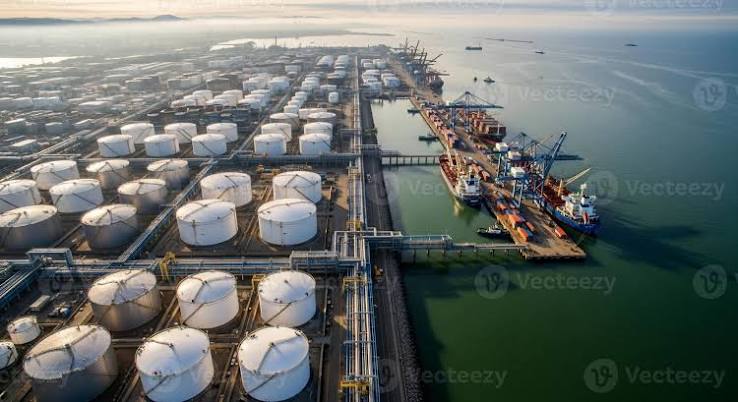
Regional differences create opportunities for international traders, but they also increase the importance of comparing delivered costs. A competitive factory price may lose its advantage after freight, insurance, port handling, import duties and inland transportation enter the calculation.
4. Feedstock Costs and Petrochemical Price Drivers
Crude oil, natural gas liquids and naphtha influence the cost of producing many petrochemicals. Changes in these feedstocks affect production economics, although the impact varies according to manufacturing technology and regional supply conditions.
For example, ethylene producers using ethane operate under a different cost structure from producers relying on naphtha. This difference can affect export competitiveness when oil and gas prices move in opposite directions or when regional supply disruptions change feedstock availability.
The main pricing influences to monitor in 2027 include:
Crude oil and natural gas prices: Energy market movements can change feedstock costs, utility expenses and transportation charges.
Feedstock availability: Limited access to naphtha, ethane or propane can restrict production even when demand remains strong.
Plant operating rates: Producers may adjust output in response to inventories, market prices and maintenance requirements.
Freight and insurance: Shipping costs can widen price differences between exporting regions and destination markets.
Inventory levels: High stocks can encourage discounting, while depleted inventories can intensify competition for available material.
Buyers should also distinguish between feedstock price movements and changes in product margins. A higher selling price does not necessarily indicate stronger producer profitability if raw material and energy costs have increased more quickly.
5. Demand Outlook Across Key Petrochemical Applications
Petrochemicals support a broad range of manufacturing activities, from plastic packaging and construction materials to synthetic fibres, vehicle components and household products. Demand in 2027 will depend on industrial output, consumer spending and investment across these downstream sectors.
Packaging and consumer goods will remain important outlets for polyethylene, polypropylene and other polymer materials. Food packaging, household products and industrial packaging create recurring demand, although material substitution, recycling initiatives and changes in consumption can influence growth.
Construction and infrastructure support demand for PVC, insulation materials, coatings and related chemical inputs. The outlook depends on building activity, public infrastructure spending and industrial development in major consuming markets.
Automotive and electronics create demand for engineering plastics, synthetic rubber and specialised chemical intermediates. Vehicle production, electric vehicle manufacturing and electronics investment can support selected products even when broader manufacturing activity remains subdued.
Demand conditions will differ by chemical category. Buyers should pay particular attention to:
Whether downstream manufacturers are increasing production or reducing inventories.
Whether new end-use applications can absorb additional petrochemical output.
Whether customers prefer imported grades or locally manufactured alternatives.
Whether changing product specifications create demand for specialised materials.
This product-level approach helps buyers avoid treating the entire petrochemical market as a single pricing environment.
6. Supply Chain Risks and Procurement Challenges
The petrochemical supply chain depends on continuous access to feedstocks, reliable plant operations and efficient transportation. A disruption at any stage can affect product availability, delivery schedules and purchasing costs.
Geopolitical tensions and maritime bottlenecks remain important risks for internationally traded chemicals. The International Energy Agency's 2026 oil market reporting highlights how disrupted supply flows can affect petrochemical feedstocks and industrial markets, particularly in import-dependent Asian economies.
Procurement teams should account for several operational challenges:
Supplier concentration: Dependence on a single producer or exporting country can expose buyers to unexpected shortages.
Delivery uncertainty: Port congestion, shipping delays and changes in vessel availability can disrupt production schedules.
Specification differences: Products with similar commercial names may differ in purity, composition or technical performance.
Working capital pressure: Longer lead times can require additional inventory, increasing storage and financing costs.
A practical response involves qualifying alternative suppliers, comparing delivery terms and agreeing on clear product specifications before placing orders. Buyers should also review certificates of analysis, safety data sheets and relevant shipping documentation.
Diversification does not always mean purchasing from the largest possible number of suppliers. It means developing credible alternatives that can meet technical requirements, delivery commitments and commercial expectations when the primary source becomes unavailable.
7. Sustainability, Regulation and Changing Buyer Requirements
Environmental requirements are increasingly relevant to petrochemical production and purchasing. Producers face growing attention to energy efficiency, emissions, waste management and the environmental performance of materials throughout their life cycles.
Recycling and circular-material initiatives can also change demand patterns. Greater use of recycled plastics may influence demand for virgin polymers in some applications, although performance requirements, food-contact rules and collection infrastructure affect the pace of substitution.
For international buyers, regulatory compliance involves more than environmental claims. Import requirements, chemical classification, transport rules, product documentation and destination-specific standards can determine whether a shipment enters the market without costly delays.
Procurement teams can strengthen supplier qualification by checking:
Applicable product and import requirements in the destination country.
Current safety data sheets and certificates of analysis.
Traceability and documentation supporting relevant sustainability claims.
Packaging, labelling and transportation requirements for the intended application.
These checks can reduce compliance risks while helping buyers respond to customers who increasingly expect transparent sourcing information.
8. What the Petrochemical Industry Outlook Means for 2027 Buyers
The 2027 market may offer purchasing opportunities where excess capacity creates competition among suppliers. However, geopolitical uncertainty, feedstock disruptions and uneven demand could produce sharp differences between products and regions.
Procurement managers should prepare a sourcing strategy around three priorities.
First, track market fundamentals at product level. Monitor capacity additions, operating rates, inventory trends and downstream demand for the specific chemicals your business purchases.
Second, compare total delivered costs rather than headline prices. Freight, insurance, duties, payment terms and delivery reliability can outweigh a small difference in the supplier's quoted price.
Third, build flexibility into purchasing plans. Maintain qualified alternatives, review inventory requirements and consider staggered purchasing where demand forecasts and storage capacity allow.
Traders can also benefit from identifying markets where domestic capacity remains insufficient or where buyers require grades that local manufacturers do not readily supply. These opportunities depend on reliable market intelligence and a clear understanding of technical requirements.
The central challenge for 2027 will be distinguishing temporary price movements from lasting changes in supply and demand. Buyers who combine market monitoring with disciplined supplier qualification will be better positioned to negotiate competitive terms and protect continuity of supply.
Looking Ahead to 2027: Turning Market Intelligence Into Better Sourcing
The petrochemical industry is likely to remain competitive as producers bring new capacity online and manufacturers adjust to changing economic conditions. Supply growth, feedstock economics, downstream consumption and international logistics will determine which product markets strengthen and which continue to face margin pressure.
For chemical traders and procurement professionals, success will depend on understanding these differences rather than relying on a single global market forecast. Regular supplier reviews, accurate specifications and comparisons of delivered costs can help businesses respond quickly as market conditions change.
A flexible sourcing strategy can turn market uncertainty into an opportunity to secure suitable products, strengthen supplier relationships and manage purchasing costs more effectively.
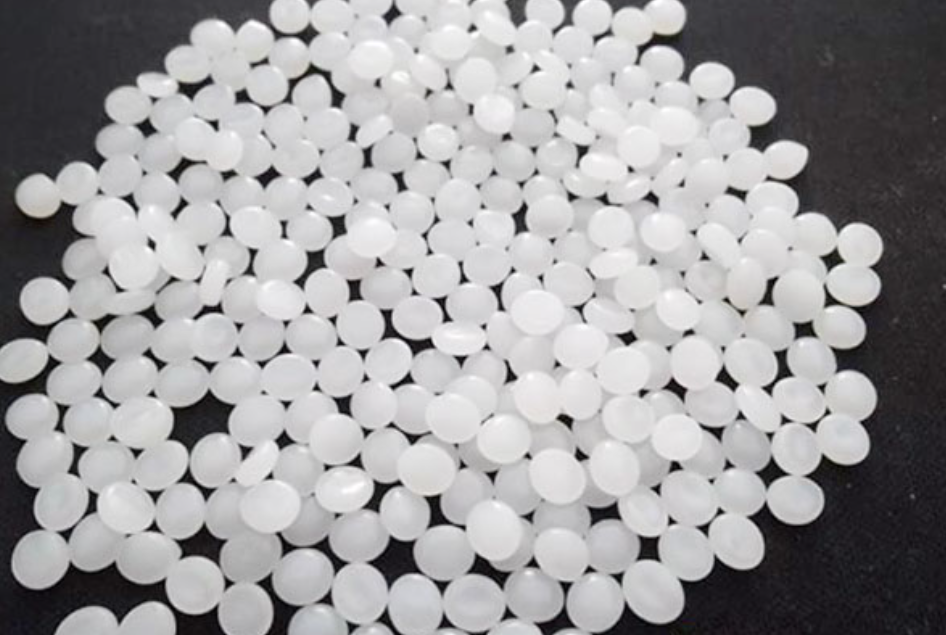
High Density Polyethylene (HDPE)
Found this useful?