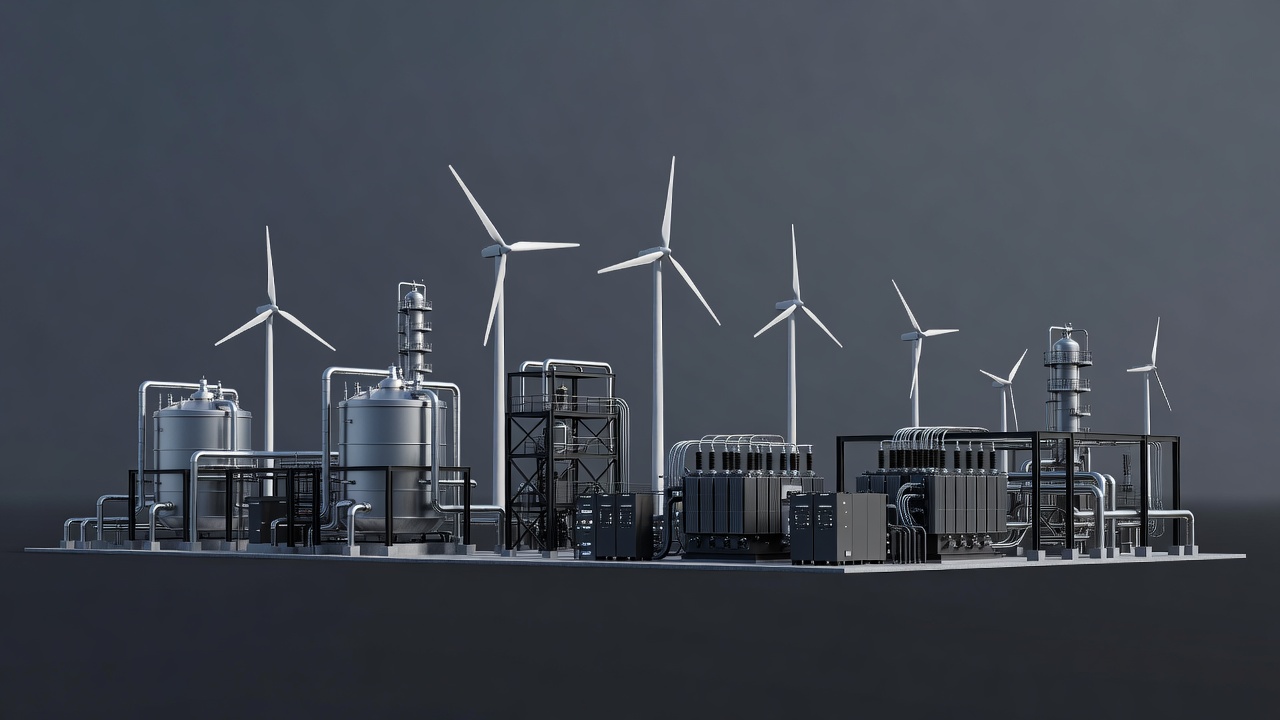
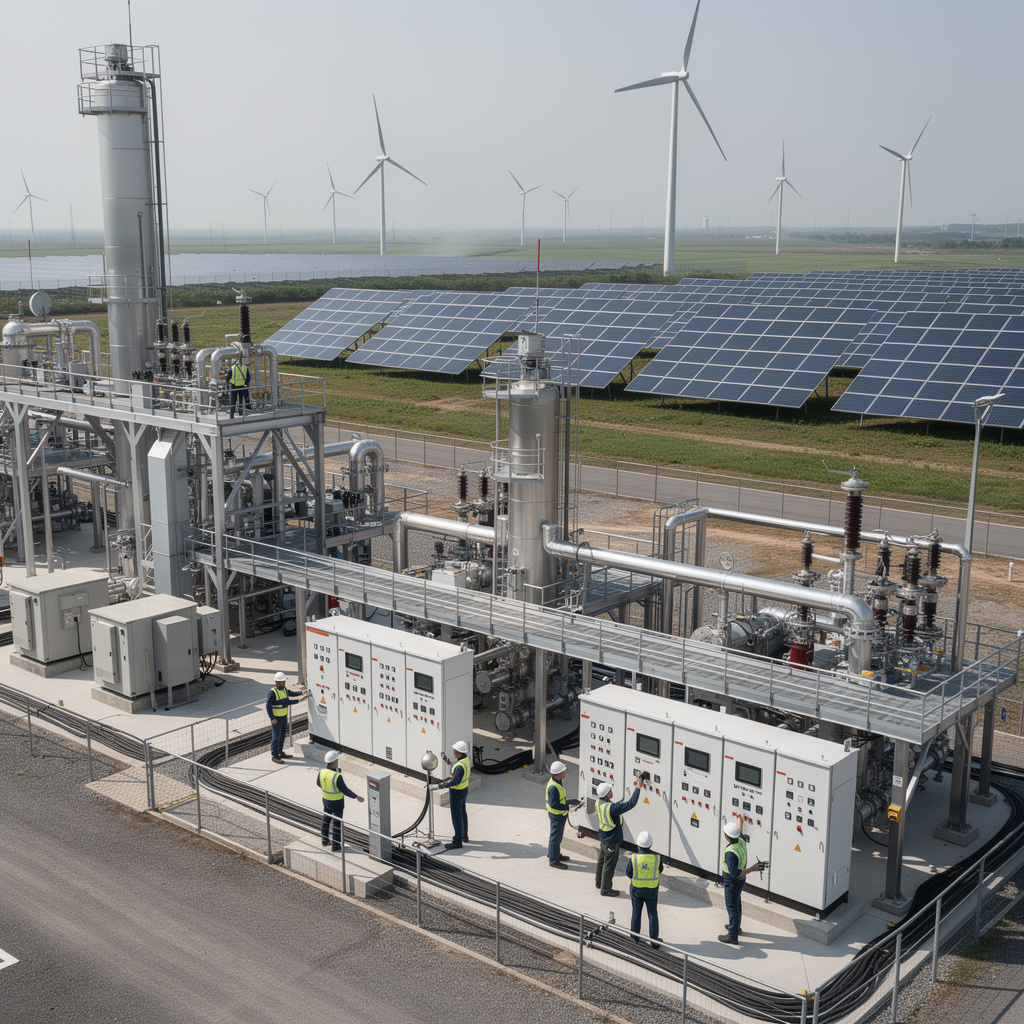
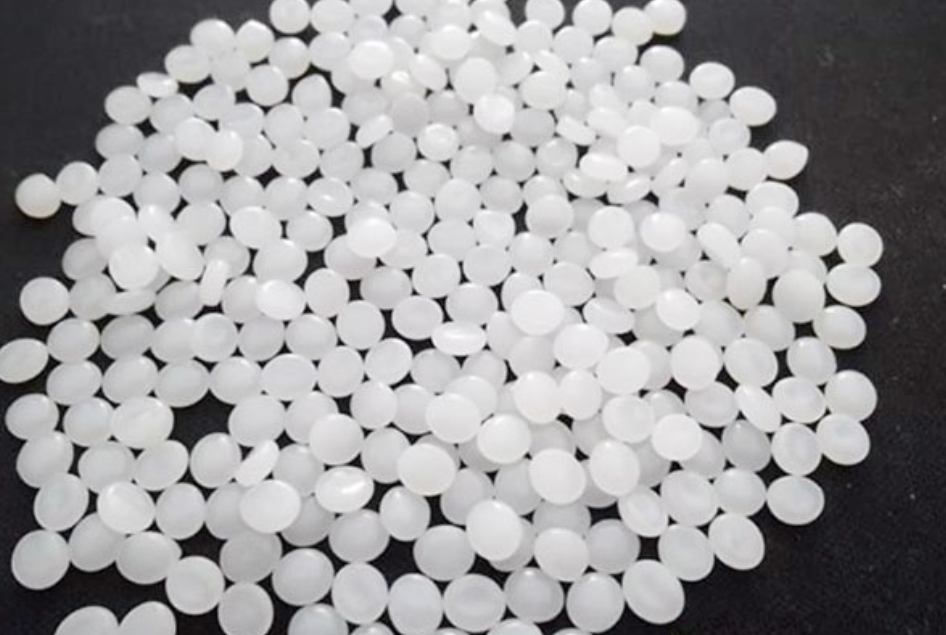
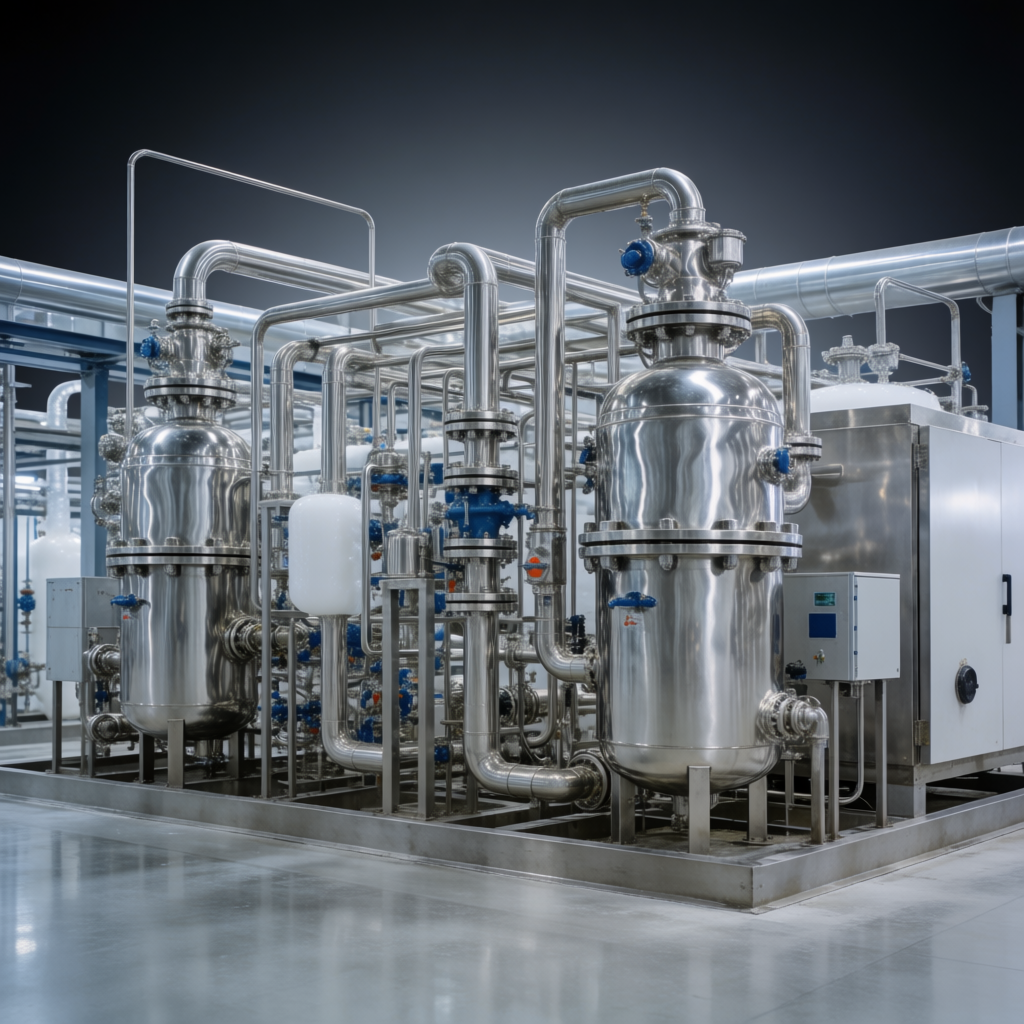
Reducing the carbon footprint of basic petrochemicals has become a priority for both manufacturers and downstream buyers. Ethylene sits at the center of countless chemical value chains, serving as the building block for polyethylene, ethylene oxide, ethylene glycol and many other products. As companies strengthen climate commitments and supply chain reporting, attention has shifted toward how these high-volume chemicals are produced rather than simply how much is produced.
Published reporting has highlighted PetroChina's Jilin petrochemical development as an example of this transition, with the company planning to integrate renewable electricity into its operations as part of broader decarbonisation efforts. For procurement professionals responsible for Scope 3 emissions reporting, projects like this represent an opportunity to evaluate future sources of lower-carbon feedstocks while recognising that production claims should always be supported by verifiable documentation.
Why Renewable Electricity Matters in Olefin Production
Conventional steam crackers require substantial amounts of energy to convert hydrocarbon feedstocks into ethylene and other olefins. Historically, much of that energy has been supplied by fossil fuels or electricity generated from conventional power grids.
When renewable electricity replaces higher-carbon energy sources, the emissions associated with production can decline significantly, depending on the overall process configuration and electricity supply. The actual reduction varies between facilities and should be evaluated using verified emissions data rather than assumptions.
For buyers seeking lower embedded carbon in raw materials, the source of process energy is becoming an increasingly important procurement consideration.
The Strategic Importance of the Jilin Project
PetroChina has identified the Jilin complex as part of its broader transition toward lower-carbon industrial operations. The company has simultaneously expanded renewable power generation, wind projects and carbon management initiatives across its portfolio while continuing to invest in new petrochemical capacity.
For procurement teams, projects of this scale are important because they demonstrate how major commodity chemical producers are integrating renewable energy into manufacturing rather than treating renewable electricity as a separate corporate initiative.
As commercial production expands, downstream buyers may gain additional sourcing options for materials produced with lower operational emissions.
Why Scope 3 Reporting Makes Supplier Selection More Important
Many companies preparing climate disclosures rely on supplier information when estimating Scope 3 greenhouse gas emissions.
When suppliers reduce operational emissions through renewable electricity, energy efficiency or process improvements, those changes may eventually influence downstream emissions calculations. However, procurement teams should avoid automatically incorporating projected reductions into reporting before supporting evidence becomes available.
Instead, supplier claims should be evaluated using documented emissions methodologies, published sustainability reports and product-specific environmental information where available.
Verification Should Come Before Procurement Decisions
Lower-carbon production claims provide value only when buyers can verify them.
Useful documentation may include:
Product Carbon Footprints prepared using recognised methodologies.
Environmental Product Declarations where applicable.
Renewable electricity sourcing documentation.
Third-party assurance statements.
Corporate sustainability reports describing facility operations.
Procurement professionals should request supporting evidence rather than relying solely on marketing materials or public announcements.
Preparing for Future Commercial Supply
Projects that incorporate renewable electricity into petrochemical manufacturing often require several years before reaching full commercial operation.
During that period, procurement teams can begin preparing by:
Monitoring publicly announced project milestones.
Identifying which downstream products may eventually originate from the facility.
Opening discussions with suppliers regarding future availability.
Understanding what environmental documentation will accompany commercial shipments.
Reviewing how lower-carbon feedstocks could support internal sustainability objectives.
Taking these preparatory steps allows organisations to respond more quickly once commercial volumes become available.
Integrating Renewable Feedstocks into Green Procurement
Renewable electricity alone does not define the overall sustainability profile of a chemical product. Buyers should evaluate the entire production system, including feedstock origin, manufacturing efficiency, emissions accounting and verification practices.
A balanced supplier assessment combines renewable energy information with product quality, regulatory compliance, supply reliability and transparent environmental reporting. This approach supports stronger procurement decisions while reducing the risk of relying on unsupported sustainability claims.
What Procurement Teams Should Do Now
Renewable electricity-powered petrochemical projects illustrate how the chemical industry is gradually reducing operational emissions while maintaining large-scale production. As facilities such as PetroChina's Jilin development progress, procurement professionals should focus on understanding the commissioning timeline, engaging suppliers early and identifying the environmental documentation that will support future purchasing decisions.
For companies with Scope 3 reporting obligations, supplier engagement should extend beyond emissions targets to include verifiable production data and transparent reporting. Establishing these conversations before commercial supply begins will position procurement teams to evaluate lower-carbon feedstocks using documented evidence rather than assumptions.
Ready to source ethylene derivatives and polyolefins from verified global suppliers? Explore competitive offers on our platform today.