PFAS in food packaging ban taking effect August 12 2026
PFAS in Food Packaging Ban Taking Effect August 12, 2026 — The EU PPWR Deadline and Testing Framework
From August 12, 2026, PFAS will no longer be allowed in food contact packaging placed on the EU market.
Under Article 5 of the EU Packaging and Packaging Waste Regulation (PPWR) - Regulation (EU) 2025/40 - packaging that is in contact with food cannot contain intentionally added per- and polyfluoroalkyl substances (PFAS). This is one of the first hard deadlines under PPWR, and it applies before the broader PFAS restriction under REACH.
For food brands, packaging converters, and paper and board mills, the deadline is now less than 10 days away.
1. What Is Actually Banned From August 12, 2026
The ban is narrower — and stricter — than many expected.
Intentionally added PFAS is prohibited. Article 5 states that food contact packaging shall not be placed on the market if it contains PFAS above a set threshold that have been intentionally added to achieve a function. This includes grease-proofing, water-proofing, and anti-stick properties in paper, board, and moulded fibre packaging.
This directly affects:
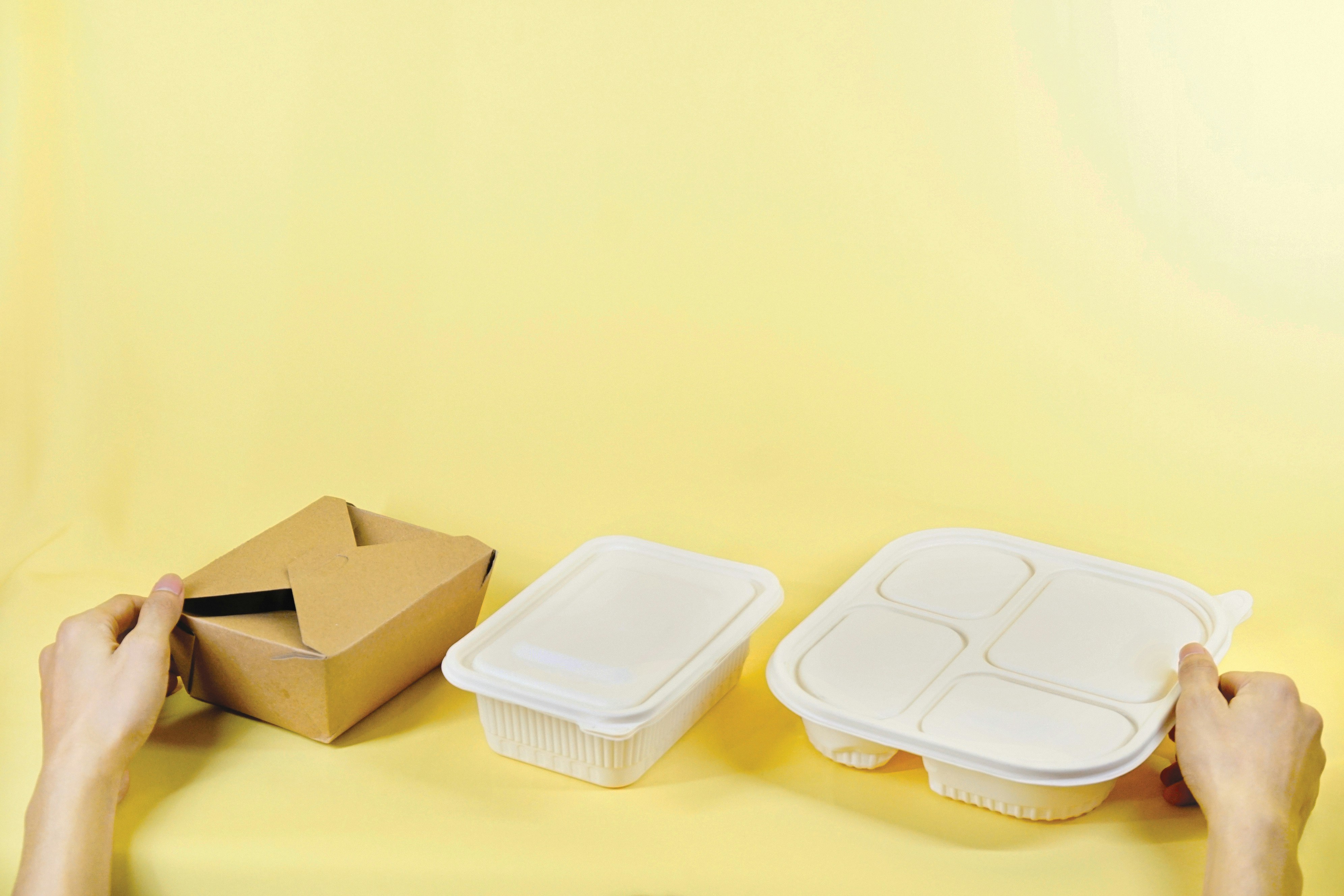
Grease-resistant fast-food wrappers, burger boxes, and French fry bags
Microwave popcorn bags and bakery paper
Moulded fibre trays and bowls (bagasse, pulp)
Paperboard for takeaway, bakery, and frozen food
Fluoropolymer coatings, side-chain fluorinated polymers, and fluoro-based grease-proofing agents like 6:2 FTOH, C6 and C8 fluorotelomers are all in scope.
Unintentional presence has limits. PPWR sets two compliance thresholds to enforce the ban:
25 ppb for any individual PFAS measured by targeted analysis (excluding polymeric PFAS)
250 ppb total organic fluorine as a screening marker
50 mg/kg total PFAS including polymeric PFAS, or 50 ppm total fluorine if no PFAS is intentionally added
If your packaging exceeds these due to intentional addition, it is non-compliant. If it exceeds due to cross-contamination from recycled content, you must prove it was not intentionally added.
Recycled paper is the biggest risk area — PFAS from old grease-proof papers can contaminate recycled pulp.
2. The Testing Framework: How Compliance Is Measured
The EU has not published a single harmonized test method under PPWR yet, but the enforcement framework is now clear from ECHA and member state guidance. Enforcement will use a tiered approach:
Tier 1 — Total Organic Fluorine (TOF) screening: EN 17681-1:2024 for paper and board. A rapid combustion ion chromatography (CIC) test. If TOF is < 20-50 mg F/kg, the sample is considered PFAS-free. If > 250 ppb, it goes to Tier 2. This is the test customs and retailers will use for spot checks.
Tier 2 — Targeted PFAS analysis: CEN/TS 17681-2 and EN 17681-3 methods. Extraction and LC-MS/MS for ∼30-70 specific PFAS, including PFOA, PFOS, PFHxA, and fluorotelomer alcohols. Limit of quantification must be < 10 ppb per PFAS. Any PFAS >25 ppb triggers non-compliance if intentional use is suspected.
Tier 3 — Total fluorine and documentation: Total fluorine by CIC or PIGE, plus supply chain declarations. Converters must provide a Declaration of Compliance (DoC) stating no intentionally added PFAS, backed by statements from chemical suppliers (barrier coating, sizing agents) and test reports.
For food contact, you also need to maintain compliance with Regulation (EC) No 1935/2004 and the upcoming BfR / EU food contact material guidelines.
What auditors will ask for after August 12:
DoC for PFAS-free status for each food contact SKU
TOF test report (EN 17681-1) dated within last 12 months
Full material declaration from your grease-proofing / barrier chemical supplier
Traceability for recycled content
3. How to Navigate the Deadline
If you sell food packaging into the EU — even as a non-EU converter — you are liable if the packaging is placed on the market after August 12, 2026.
1. Switch to PFAS-free barrier chemistry now. The industry has already moved to three proven alternatives:
Hydrocarbon barriers: PVOH + starch based coatings (e.g., BASF, Kuraray types)
Silicone / biowax barriers for bakery and frozen food
High-density cellulose and nanocellulose barriers for moulded fibre
These are 15-25% more expensive than fluorinated barriers but are PPWR compliant and available from Indian and EU suppliers. On our marketplace, we list PFAS-free grease-proofing agents and pre-coated PFAS-free paper/board grades with EN 17681-1 test reports.
2. Test your existing stock. Many converters still hold PFAS-containing paper from Q2. Any packaging placed on the market after August 12 must be compliant, regardless of when it was manufactured. Get TOF screening done this week for all food contact grades. If TOF > 250 ppb, quarantine the lot for non-EU sale.
3. Secure declarations upstream. Your biggest liability is your chemical supplier. If you buy fluorinated or non-fluorinated barrier chemicals, get written confirmation of PFAS-free status with CAS numbers. For recycled board, get contamination testing from your paper mill.
The PFAS ban in food contact packaging is the first of many PPWR deadlines. From 2028, all packaging will need PFAS restrictions, and from 2030, recyclability criteria will apply.
If you source food packaging, grease-proofing chemicals, or moulded fibre trays for the EU market, post your spec on our marketplace. We’ll connect you with verified suppliers offering PFAS-free, PPWR-compliant grades with EN 17681 test reports and Declaration of Compliance ready for EU customs.
The August 12 deadline is not a transition — it’s an enforcement date.
Aluminium Stearate
Found this useful?