PFAS Liability Restructuring Concerns Extend to Petrochemical Spin-Off Structures Broadly
California's legal challenge against DuPont is raising a broader question for the petrochemical industry: how should companies structure spin-offs and asset transfers when significant environmental liabilities remain attached to historical operations?
The issue extends beyond one company or one PFAS dispute. Large chemical and petrochemical producers regularly separate businesses, sell assets and create independent companies to simplify portfolios or unlock shareholder value.
When substantial environmental liabilities are involved, however, these transactions can attract additional scrutiny.
For chemical investors, traders and procurement managers, the developing legal landscape highlights why corporate structure, asset ownership and environmental exposure increasingly need to be analyzed together.
Why Spin-Offs Are Common in Chemicals
Chemical companies often operate highly diversified portfolios.
A single group may own businesses covering:
Petrochemicals
Specialty chemicals
Polymers
Industrial materials
Electronics chemicals
Agricultural chemicals
Performance materials
Separating these businesses can create more focused companies with independent management and capital strategies.
The commercial rationale can be straightforward:
Large portfolio → Business separation → Focused company → Independent growth strategy
Where Environmental Liabilities Complicate the Model
The challenge arises when the businesses being separated have decades of environmental history.
Chemical plants can operate for generations, creating potential exposure related to:
Soil contamination
Groundwater contamination
Waste disposal
Product liability
Environmental remediation
Regulatory claims
These liabilities may emerge long after the original manufacturing activity occurred.
A corporate restructuring therefore does not necessarily eliminate the underlying environmental history.
California's DuPont Case Provides a Key Example
California Attorney General Rob Bonta's lawsuit against DuPont-related entities alleges that corporate restructuring improperly moved valuable assets while leaving significant liabilities behind.
The allegations include claims involving transfers between DuPont and related companies.
The claims remain contested and have not been established as findings of wrongdoing.
Nevertheless, the case provides a useful example of why regulators may examine the economic substance of restructuring transactions, rather than looking only at the legal documents surrounding individual spin-offs.
The Core Concern: Assets and Liabilities
At the center of these disputes is a relatively simple question:
Did the company receiving the liabilities retain sufficient assets to meet them?
A restructuring can involve the movement of:
Manufacturing assets
Cash
Intellectual property
Insurance rights
Contracts
Debt
Environmental obligations
The allocation of each can significantly influence the financial position of the resulting companies.
Why Insurance Rights Matter
Insurance can become particularly important when environmental claims involve historical operations.
A company may have policies dating back decades that could potentially provide coverage for certain claims, depending on the policy terms and applicable law.
Therefore, a spin-off involving environmental liabilities may require careful analysis of:
Insurance policies
Coverage rights
Defense costs
Indemnities
Historical claims
Insurance rights can potentially represent substantial economic value even though they may not appear as traditional operating assets.
Corporate Separations Can Create Long-Term Uncertainty
A company may be legally separated today while its environmental obligations continue for decades.
This creates a mismatch:
Corporate structure changes quickly
while
Environmental liabilities can remain for generations
That mismatch is one reason regulators and courts may pay close attention to how liabilities are allocated during restructuring.
The Issue Is Broader Than PFAS
PFAS has become one of the most visible examples, but the underlying restructuring question can apply to other environmental liabilities.
Petrochemical and chemical companies can face exposure involving:
Hydrocarbon contamination
Solvents
Heavy metals
Industrial waste
Air emissions
Groundwater contamination
As environmental regulations evolve, historical liabilities can become financially significant long after a business has been separated.
Why Petrochemical Companies Should Pay Attention
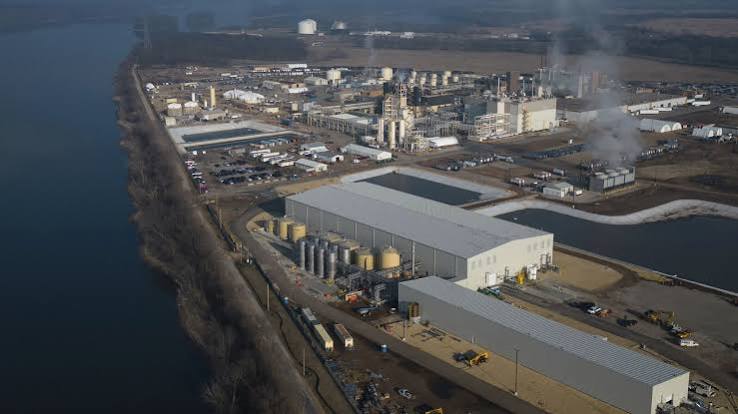
Petrochemical companies frequently restructure large asset portfolios.
Transactions may involve:
Refineries
Chemical plants
Pipelines
Storage facilities
Processing businesses
Petrochemical subsidiaries
These assets can have long operating histories.
When transferred, the parties must carefully determine how historical environmental responsibilities are allocated.
The Growing Importance of Transaction Due Diligence
Future chemical spin-offs may face greater scrutiny around environmental liabilities.
Buyers and sellers may increasingly examine:
Historical Operations
What chemicals were produced and where?
Environmental Exposure
What contamination or regulatory claims exist?
Insurance
Which policies and coverage rights are available?
Indemnities
Which company remains responsible for historical claims?
Asset Value
Does the entity receiving liabilities have sufficient financial resources?
This analysis can become a critical part of transaction planning.
Implications for Chemical M&A
The evolving legal environment could make chemical M&A more complex.
Potential buyers may demand:
Stronger indemnities
Environmental warranties
Escrow arrangements
Insurance protections
Detailed liability schedules
Sellers may also need to provide greater transparency regarding historical environmental exposure.
The result could be longer due-diligence processes and more sophisticated transaction structures.
Investors Need to Look Beyond the New Corporate Entity
A newly created chemical company may appear financially healthy based on its current balance sheet.
But investors should also ask:
What liabilities did it inherit?
What assets were transferred away?
What insurance protection exists?
Who remains responsible for historical claims?
This historical perspective can provide a much clearer assessment of risk.
Procurement Teams Face a Similar Challenge
Supplier evaluations traditionally focus on:
Price
Quality
Capacity
Delivery
Certifications
But corporate restructuring suggests another category should be monitored:
Counterparty structure.
If a critical chemical supplier undergoes a spin-off, procurement teams should confirm which legal entity now owns the manufacturing facility and which entity is responsible for the supply contract.
Supplier Concentration Could Become More Important
Corporate restructuring can also change the competitive supplier landscape.
A business that previously operated within a large diversified group may become an independent company with a different investment strategy.
This could influence:
Capacity
Pricing
Capital spending
Product availability
Customer priorities
Procurement teams should therefore reassess strategic suppliers after major corporate separations.
Could Restructuring Costs Increase?
If environmental liability becomes a larger focus of regulatory review, companies may need to allocate more resources to transaction planning.
Potential costs could include:
Environmental audits
Legal due diligence
Insurance analysis
Liability modeling
Financial guarantees
Remediation reserves
These costs could become an increasingly important consideration in future petrochemical spin-offs.
A Potential Shift in Industry Practice
The broader lesson may be a move toward greater transparency around environmental liabilities during corporate restructuring.
Companies could increasingly need to demonstrate that:
Assets are fairly allocated
Liabilities are clearly assigned
Insurance rights are properly documented
Creditors are adequately protected
Environmental obligations remain enforceable
This could make future transactions more robust but also more complicated.
What Traders Should Watch
Chemical traders should monitor corporate restructuring announcements for more than changes in ownership.
Important indicators include:
Asset transfers
New subsidiaries
Plant divestitures
Insurance arrangements
Environmental liabilities
Debt allocation
Changes in manufacturing control
These developments can affect the long-term reliability of chemical suppliers.
What Investors Should Watch
Investors should focus on:
Liability Allocation
Which company receives environmental obligations?
Asset Coverage
Does it retain sufficient assets?
Insurance
What protection remains available?
Corporate Guarantees
Are obligations backed by stronger parent companies?
Litigation
Are regulators challenging historical transactions?
These factors can influence the true risk profile of a newly separated company.

Acrylic Acid (99.5%) - China
Found this useful?