PFAS Regulations Worldwide: Environmental Restrictions, Compliance Challenges, and Safer Alternatives
Chemical manufacturing faces a significant challenge: producing the materials that support modern economies while reducing greenhouse gas emissions across energy-intensive operations and global supply chains. Chemical industry decarbonization has therefore become a strategic priority for manufacturers, chemical traders and industrial buyers seeking to manage environmental impact without compromising product quality, supply reliability or cost competitiveness.
The transition requires more than switching to renewable electricity. Chemical producers must also reconsider raw material sourcing, process heat, hydrogen production, carbon management and the way they handle products at the end of their useful life. The International Energy Agency identifies electrification, electrolytic hydrogen, carbon capture and increased plastics recycling as important elements in reducing emissions from primary chemical production.
For procurement teams and international traders, these changes can influence supplier selection, production costs, contract requirements and long-term sourcing strategies. Understanding the available technologies and their commercial implications helps businesses prepare for a chemical market increasingly shaped by carbon performance.
Why Chemical Industry Decarbonization Matters
The chemical industry supplies essential materials for agriculture, pharmaceuticals, food processing, construction, automotive manufacturing and consumer goods. However, producing many of these materials requires substantial energy, while fossil-based feedstocks also contribute to the industry's emissions footprint.
Unlike sectors that primarily consume energy, chemical manufacturing often uses hydrocarbons as both fuel and raw material. Producers of ammonia, methanol, ethylene and other basic chemicals must therefore address emissions from energy consumption as well as the carbon embedded in their production processes.
Several commercial and operational pressures are accelerating the shift towards lower-emission production:
Climate targets: Manufacturers face growing expectations to measure emissions, establish reduction plans and demonstrate progress against corporate climate commitments.
Energy cost exposure: Facilities that rely heavily on fossil fuels can face price volatility and increased operating costs. Energy efficiency and renewable electricity can help reduce this exposure.
Customer procurement requirements: Industrial buyers increasingly evaluate suppliers against environmental criteria alongside price, quality and delivery performance.
Trade and regulatory considerations: Carbon-related policies can influence the economics of international trade, particularly for companies selling into markets with stronger climate reporting and emissions requirements.
Investment and competitiveness: Producers that modernize their facilities may improve resource efficiency and strengthen their position with customers seeking lower-emission materials.
Decarbonization does not mean every chemical producer must immediately adopt the same technology. The appropriate approach depends on the product, manufacturing route, local energy supply, available capital and the technical requirements of each process.
Energy Efficiency and Electrification in Chemical Manufacturing
Improving energy efficiency offers manufacturers a practical starting point because many measures can reduce emissions while lowering operating costs. Optimizing steam networks, recovering waste heat, improving insulation and upgrading motors can reduce the energy required for each tonne of finished product.
Manufacturers can begin with an energy audit that identifies where facilities lose heat, consume unnecessary electricity or operate equipment outside its optimal range. They can then prioritize projects according to expected energy savings, installation costs, production risks and payback periods.
Electrification provides another pathway. Instead of generating process heat exclusively through natural gas or other fossil fuels, facilities can increasingly use electric boilers, industrial heat pumps and electric heating systems where temperature requirements and process conditions permit.
The environmental benefit depends on the electricity source. Electrifying a process using carbon-intensive grid electricity may deliver smaller reductions than using renewable electricity, so manufacturers should assess both equipment efficiency and the emissions intensity of their power supply.
Practical measures include:
Heat integration: Recover heat from one process and use it in another to reduce fuel demand.
Steam system optimization: Repair leaks, improve condensate recovery and optimize boiler performance.
Efficient equipment: Replace inefficient motors, pumps and compressors with appropriately sized alternatives.
Renewable power procurement: Use on-site solar, renewable electricity contracts or other available low-carbon electricity arrangements.
Process monitoring: Install sensors and digital controls to identify energy waste and maintain stable operating conditions.
These improvements can also support production reliability. Lower energy consumption per tonne of output reduces exposure to energy price swings and can improve operating margins when manufacturers implement changes without compromising throughput or product specifications.
Low-Carbon Hydrogen and Alternative Chemical Feedstocks
Hydrogen plays an important role in chemical production, particularly in ammonia manufacturing and several refining and petrochemical processes. Conventional hydrogen production from natural gas or coal can generate substantial emissions, making alternative production routes an important part of industrial decarbonization.
Renewable hydrogen, often called green hydrogen, uses renewable electricity to split water through electrolysis. Its emissions performance depends on the electricity source and the wider production chain, while its commercial viability depends on power prices, electrolyzer costs, infrastructure and the availability of reliable supply.
Low-carbon hydrogen can support lower-emission ammonia and methanol production and may also help replace fossil fuels in selected industrial processes. However, switching hydrogen sources requires careful evaluation of purity, continuity of supply, storage requirements and compatibility with existing equipment.
Alternative feedstocks offer another route. Depending on the chemical and production process, manufacturers may use sustainably sourced biomass, recovered carbon, recycled materials or other lower-emission inputs instead of conventional fossil-based resources.
Each option presents different procurement considerations:
Renewable hydrogen: Buyers should assess production methods, electricity sourcing, delivery infrastructure and verified emissions intensity.
Bio-based feedstocks: Procurement teams should review feedstock origin, consistency, sustainability credentials and competition for agricultural or biological resources.
Recycled feedstocks: Buyers need clear specifications for purity, contaminants, traceability and batch-to-batch consistency.
Recovered carbon inputs: Producers must evaluate conversion efficiency, energy requirements and the overall emissions balance of the resulting chemical.
No single feedstock will suit every product. Chemical buyers should confirm that alternative inputs deliver the required technical performance and regulatory compliance before changing established formulations or supplier specifications.
Carbon Capture and Process Emissions Management
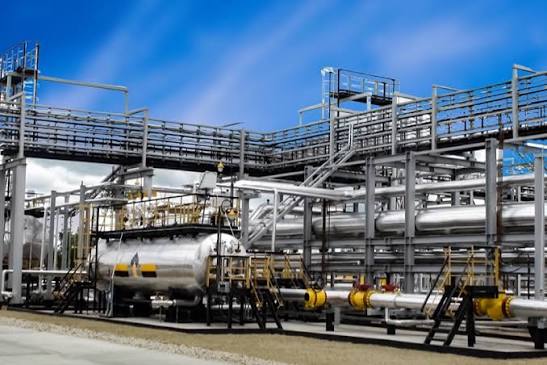
Some chemical manufacturing processes release carbon dioxide through chemical reactions or generate emissions that remain difficult to eliminate through energy efficiency alone. Carbon capture, utilization and storage, commonly referred to as CCUS, can help address selected emissions when other reduction measures cannot fully eliminate them.
Carbon capture systems separate carbon dioxide from industrial gas streams. Operators can then transport it for suitable industrial uses or move it to approved storage facilities designed to contain it over the long term.
For chemical producers, the business case depends on several factors, including the concentration of carbon dioxide in the gas stream, capture efficiency, additional energy consumption, transport infrastructure and the availability of storage or utilization partners. The technology may be more suitable for certain large facilities than for smaller plants with limited emissions volumes.
Carbon utilization can convert captured carbon dioxide into selected chemical products, materials or other useful outputs. However, the climate benefit depends on the energy consumed during conversion, the origin of the hydrogen or other inputs and how long the resulting product retains the carbon.
Storage and utilization should not replace straightforward emissions reductions where those reductions are technically and economically feasible. Manufacturers should compare capture projects against energy efficiency, electrification and feedstock changes, then select the combination that delivers meaningful reductions across the facility.
Recycling and Circular Feedstocks in the Chemical Value Chain
Chemical industry decarbonization also depends on reducing demand for virgin raw materials where practical. Reuse, material efficiency and recycling can lower the need for new production, particularly in value chains that depend heavily on plastics and other carbon-intensive materials.
Mechanical recycling processes suitable waste materials without fundamentally changing their chemical structure. Chemical recycling uses different processes to break materials down into chemical feedstocks or other useful intermediates, although its energy consumption and emissions vary considerably by technology.
For chemical traders, recycled feedstocks can create new sourcing opportunities, but they also introduce specification and traceability requirements. Buyers must establish whether recycled inputs meet their quality thresholds and whether their intended applications permit the use of those materials.
Companies can support circularity through several practical actions:
Source recycled polymers or suitable recovered raw materials where technical specifications allow.
Improve product design and packaging choices to support collection, reuse and recycling.
Work with suppliers that document material origin and processing methods.
Establish acceptance criteria for contaminants, moisture, purity and other product-specific parameters.
Evaluate the full production chain rather than assuming recycled content automatically guarantees lower emissions.
Circular feedstocks can reduce dependence on virgin resources and create additional value from materials that would otherwise become waste. Their success depends on consistent collection systems, reliable processing capacity, commercially viable economics and stable product quality.
How Decarbonization Changes Chemical Sourcing and Trade
As manufacturers reduce production emissions, environmental performance is becoming an additional consideration in supplier evaluation. Chemical buyers may need to compare conventional products with lower-emission alternatives while maintaining competitive pricing, consistent quality and dependable delivery schedules.
This shift can influence trade flows because production costs and access to clean energy vary by region. A manufacturer operating near abundant renewable electricity may have different decarbonization opportunities from a producer that depends on imported fuels or a carbon-intensive electricity grid.
For importers, exporters and distributors, several sourcing practices can help manage the transition:
Request product-specific emissions information. Ask suppliers to explain how they calculate emissions associated with the chemical, including relevant production processes and energy inputs. Confirm whether figures cover the manufacturing facility, the product's upstream inputs or a wider supply chain.
Compare the complete landed cost. A lower quoted price does not always represent the best commercial option if a product carries additional compliance costs, inconsistent documentation or greater exposure to changing customer requirements. Evaluate freight, insurance, tariffs, handling and any applicable carbon-related charges alongside the purchase price.
Diversify supplier relationships. Consider qualified suppliers from multiple production regions to reduce dependence on one source. Diversification should account for technical equivalence, available production capacity, shipping reliability and the environmental performance of each supplier.
Strengthen contractual requirements. Specify product grades, certificates of analysis, delivery schedules and documentation responsibilities. When emissions performance forms part of the purchasing agreement, define the measurement method and evidence required rather than relying on broad sustainability statements.
Traders can also help connect manufacturers with buyers seeking lower-emission materials. Clear product information, transparent documentation and realistic delivery commitments can make it easier for customers to evaluate alternatives and incorporate them into procurement plans.
Investment Barriers and Regulatory Considerations
Although decarbonization technologies offer significant potential, implementation can require substantial capital and operational changes. New equipment, electrical infrastructure, hydrogen supply systems and carbon capture facilities may involve high upfront expenditure, while newer technologies can carry additional operating and performance risks.
Energy availability remains a central consideration. A plant cannot rely on large-scale electrification or renewable hydrogen without access to sufficient energy at a commercially viable price, and some manufacturing processes require temperatures or operating conditions that limit the options available today.
Project planning also involves permitting, infrastructure development and coordination among suppliers, utilities, technology providers and regulators. These requirements can delay investment even when a manufacturer has identified a technically suitable solution.
Regulatory obligations vary by jurisdiction, product category and trading relationship. Businesses should distinguish between requirements that directly apply to their operations and broader customer expectations that influence purchasing decisions.
Procurement and compliance teams should pay particular attention to:
Emissions reporting: Determine which emissions categories the company must report and which supplier data it needs to collect.
Product documentation: Maintain relevant safety data sheets, technical specifications, origin records and other required compliance documents.
Carbon-related trade measures: Assess whether applicable import rules require emissions declarations, certificates or payments for particular goods.
Supplier claims: Request consistent calculation methods and supporting evidence for environmental claims.
Investment planning: Compare technology options using capital expenditure, operating costs, expected emissions reductions and potential regulatory exposure.
The objective is to build a realistic transition plan rather than adopt expensive technology simply to demonstrate environmental ambition. A staged approach allows manufacturers to capture near-term efficiency gains while preparing for more substantial changes to feedstocks, process technology and energy infrastructure.
Building a Practical Roadmap for Low-Emission Manufacturing
A successful decarbonization programme needs measurable objectives, clear responsibilities and a sequence of investments that reflects the facility's operational constraints. Manufacturers should start with an emissions baseline, identify the largest sources of emissions and evaluate available reduction measures before committing to major projects.
A practical roadmap can follow five steps.
1. Establish the baseline. Measure emissions from fuel combustion, purchased electricity, relevant process reactions and upstream raw materials. Define the production output used to calculate emissions intensity so that progress remains comparable over time.
2. Prioritize immediate improvements. Address avoidable energy losses, inefficient equipment, steam leaks and unnecessary material waste. These measures can create early savings while the company evaluates more complex investments.
3. Assess technology options. Compare electrification, renewable energy, low-carbon hydrogen, alternative feedstocks and carbon capture against the specific needs of each manufacturing process.
4. Engage suppliers and customers. Identify where supplier emissions data is available, agree on documentation standards and discuss whether customers require particular product attributes or reporting formats.
5. Track performance and revise plans. Monitor emissions intensity, energy consumption, raw material use and project economics. Update the roadmap when technology costs, regulations or supply conditions change.
Manufacturers should distinguish between absolute emissions reductions and improvements in emissions intensity. A facility may reduce emissions per tonne while total emissions continue to rise if production expands, so both measures can provide valuable insight into overall performance.
Collaboration also matters. Producers, traders, logistics providers and end users can improve outcomes by coordinating material specifications, transport arrangements, packaging choices and information exchange throughout the supply chain.
What Chemical Buyers Should Do Next
The transition to low-emission manufacturing will affect chemical suppliers at different speeds. Some producers can achieve early reductions through efficiency improvements and renewable electricity, while others need longer investment cycles to change production technology or secure alternative feedstocks.
Procurement teams can prepare now by incorporating environmental performance into supplier qualification without treating it as a substitute for product quality, safety or commercial reliability. Buyers should also avoid assuming that every product marketed as green or low-carbon offers the same emissions benefits.
Before committing to a new supplier, buyers should consider the following priorities:
Verify technical suitability: Confirm that the chemical meets the required grade, purity, performance and regulatory specifications.
Evaluate emissions evidence: Request product-specific information and establish whether the supplier's claims use a consistent, documented methodology.
Review commercial viability: Compare total landed costs, minimum order quantities, lead times and supply continuity.
Monitor market developments: Follow changes in energy prices, carbon-related trade rules and the availability of lower-emission production technologies.
Build long-term partnerships: Work with suppliers that can provide transparent documentation and demonstrate credible progress in manufacturing efficiency and emissions reduction.
Chemical industry decarbonization is both an environmental challenge and a commercial transition. Companies that combine realistic emissions targets with disciplined investment, reliable supplier relationships and transparent sourcing practices will be better positioned to respond to changing buyer expectations.
For chemical traders and industrial procurement professionals, the opportunity lies in connecting reliable supply with measurable improvements in production and sourcing.
Ammonia Anhydrous
SOURCE LINK :https://www.iea.org/energy-system/industry/chemicals
Found this useful?