Pharma Intermediates: Role in Drug Manufacturing, Supply Chains, and Global Trade
Pharma Intermediates: Role in Drug Manufacturing, Supply Chains, and Global Trade
Pharmaceutical intermediates are becoming increasingly important to the global drug manufacturing industry as pharmaceutical companies seek reliable, cost-efficient and compliant supply chains. These chemical compounds sit between raw materials or key starting materials and the final active pharmaceutical ingredient (API), making them an essential link in the production of many medicines.
The global pharmaceutical intermediates market is estimated at approximately USD 48.65 billion in 2026 and is projected to reach USD 68.37 billion by 2031, representing a CAGR of around 7.05%, according to Mordor Intelligence. Demand is being supported by pharmaceutical outsourcing, CDMO expansion, complex drug pipelines and efforts to strengthen domestic and regional pharmaceutical supply chains.
What Are Pharmaceutical Intermediates?
Pharmaceutical intermediates are compounds produced during the chemical or biological synthesis of an API that undergo additional chemical transformation or purification before becoming the final drug substance.
They can be generated through several stages, including:
Chemical synthesis
Reactions and transformations
Separation and purification
Extraction
Crystallization
Filtration and drying
Chiral resolution or asymmetric synthesis
The distinction between an intermediate and an API is important. Under ICH Q7, an intermediate is a material produced during API processing that undergoes further molecular change or purification before becoming an API.
Role of Intermediates in Drug Manufacturing
Building Blocks for APIs
The most important function of intermediates is to provide the chemical pathway toward an API. Complex pharmaceutical molecules are often manufactured through multiple reactions rather than a single production step.
A typical small-molecule drug manufacturing pathway can be represented as:
Raw Materials → Key Starting Materials → Intermediates → API → Finished Dosage Form
Each intermediate must meet appropriate specifications before moving to the next stage. This makes intermediate quality directly relevant to the consistency and purity of the final API.
Supporting Complex Drug Synthesis
Modern pharmaceutical pipelines increasingly include molecules with complex structures, including chiral compounds, highly potent molecules, peptides and other specialized products. These products can require multiple controlled synthesis and purification stages.
As drug developers move toward more complex molecules, manufacturers need specialized intermediates with tightly controlled impurity profiles, stereochemistry and physical properties.
Enabling Manufacturing Scale-Up
An intermediate that performs well at laboratory scale may present different challenges during commercial production. Heat transfer, mixing, reaction kinetics, impurity formation and crystallization behavior can change as production volumes increase.
Consequently, pharmaceutical intermediate suppliers and CDMOs increasingly support customers with process development, route optimization, analytical testing and scale-up capabilities.
Pharmaceutical Intermediates and the Global Supply Chain
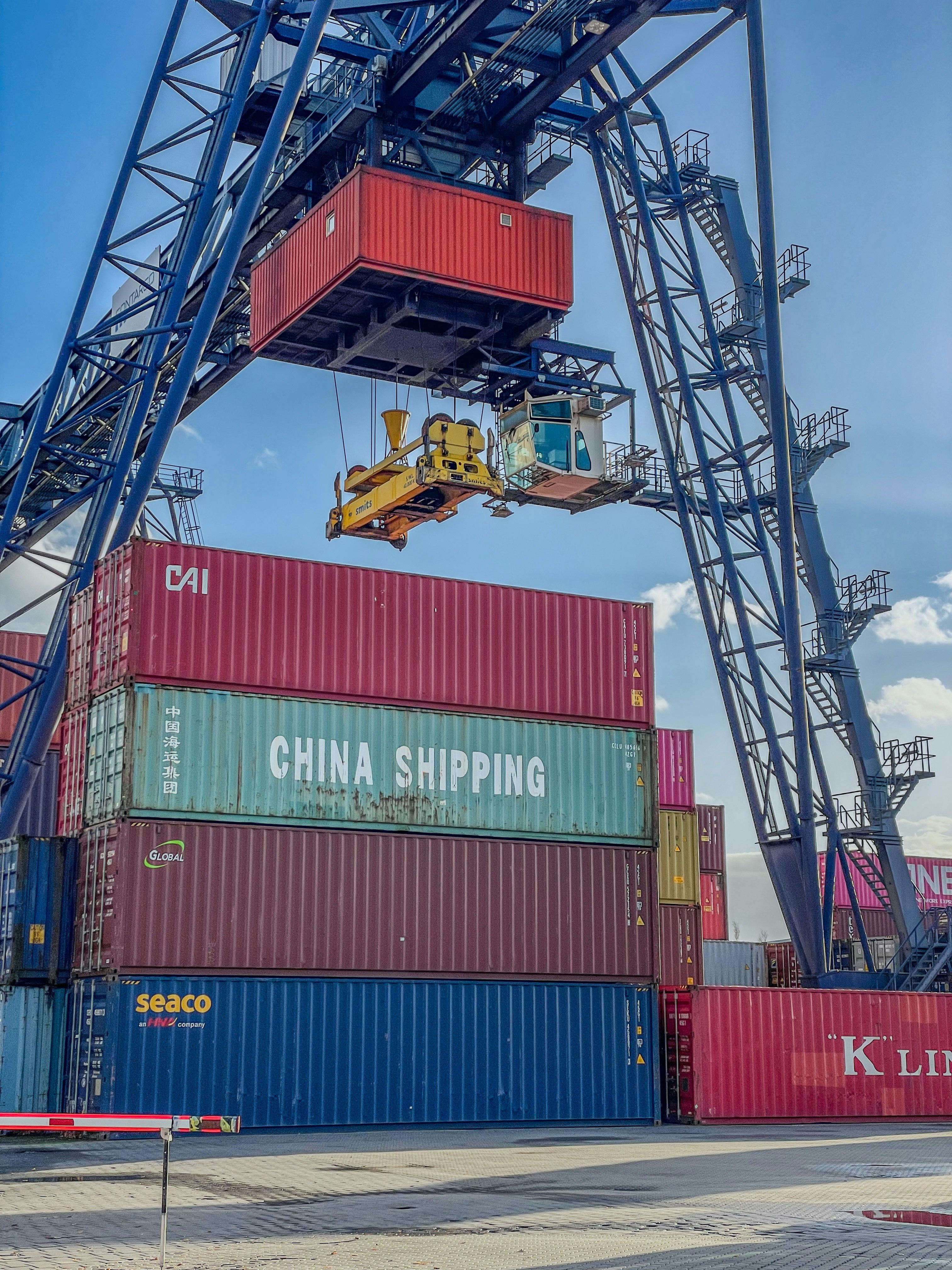
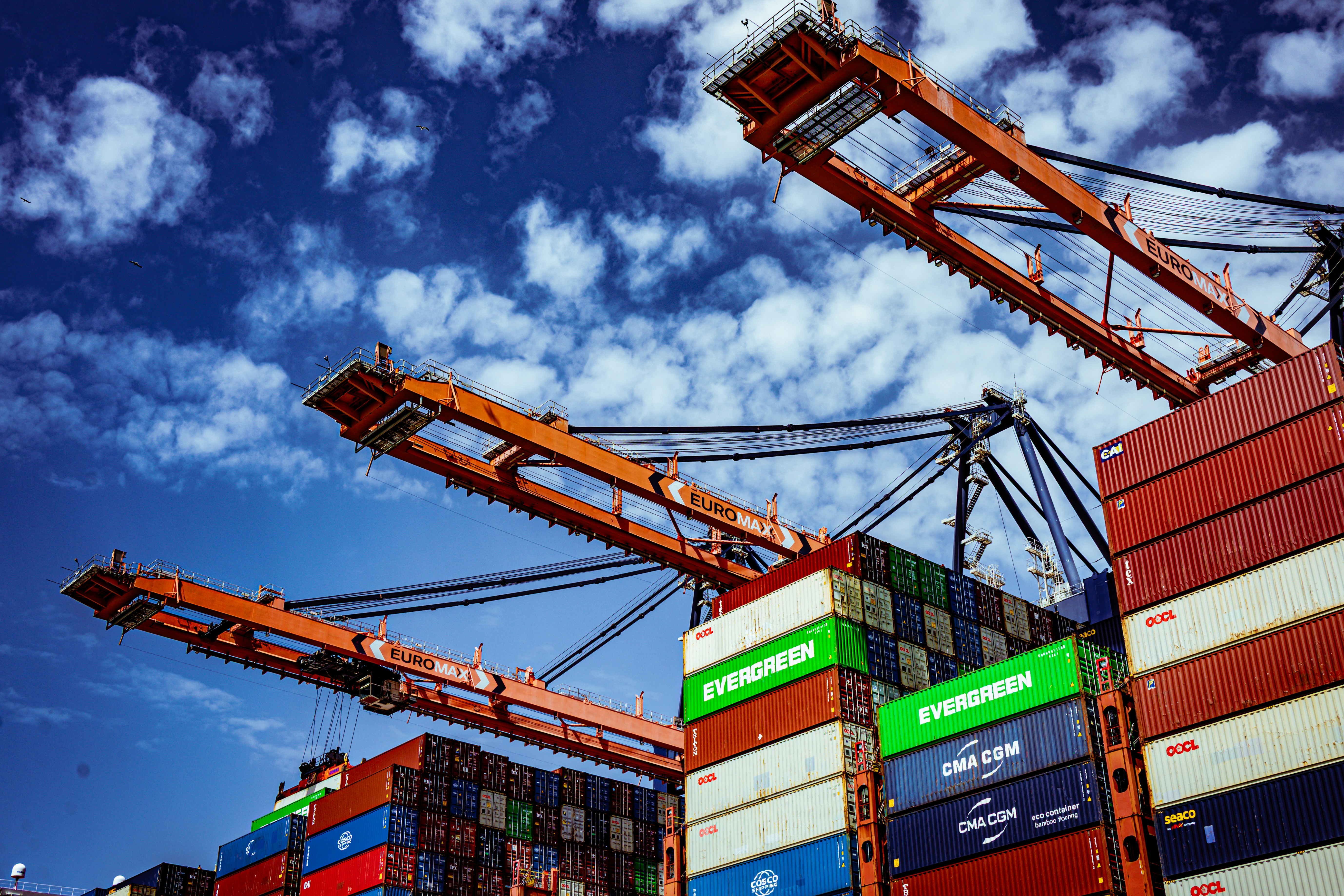
Pharmaceutical intermediates form part of a highly internationalized value chain. Raw materials can originate in one country, intermediates can be manufactured in another, APIs can be produced elsewhere, and finished medicines may ultimately be formulated and packaged in a different market.
The United Nations describes pharmaceutical manufacturing as a global value chain in which chemical compounds are processed into intermediate materials and subsequently refined and purified into APIs.
This international structure creates both efficiency and vulnerability.
Global Sourcing
Manufacturers often source intermediates internationally because suppliers may offer advantages in:
Production scale
Manufacturing cost
Chemical expertise
Availability of specialized equipment
Access to starting materials
Established pharmaceutical manufacturing infrastructure
India and China remain major manufacturing centers within the broader pharmaceutical ingredient ecosystem, while Europe and North America continue to play important roles in higher-value pharmaceutical manufacturing, innovation and regulated supply chains.
For the U.S. pharmaceutical market, recent industry analysis highlights the importance of India and the European Union in API supply, illustrating the geographic concentration that can also affect upstream intermediate sourcing.
Supply Chain Risks
Heavy dependence on a limited number of suppliers or manufacturing regions can expose pharmaceutical companies to disruptions caused by:
Geopolitical tensions
Trade restrictions
Transportation disruptions
Energy and utility costs
Raw-material shortages
Environmental incidents
Regulatory actions
Manufacturing shutdowns
Quality failures
Quality and GMP Requirements
Quality management is a central consideration when sourcing pharmaceutical intermediates.
ICH Q7 establishes GMP principles for API manufacturing and includes requirements covering production, quality management, documentation, testing, storage and distribution. The guidance also states that GMP controls become increasingly stringent as manufacturing progresses toward the final API stages.
Important controls include:
Raw-material identification
Defined manufacturing procedures
In-process controls
Impurity monitoring
Analytical testing
Batch documentation
Deviation management
Change control
Stability considerations
Traceability
Appropriate storage and transportation
The FDA guidance also addresses intermediates specifically and requires appropriate controls for their release, storage, distribution and transportation.
Documentation and Traceability
Pharmaceutical buyers increasingly require comprehensive documentation before approving an intermediate supplier.
Typical documentation may include:
Certificate of Analysis (CoA)
Product specifications
Batch records
Safety Data Sheet (SDS)
Manufacturing-site information
Impurity profile
Analytical methods
Stability information where applicable
Regulatory documentation
Change-control information
For distributors, agents and traders, ICH Q7 emphasizes traceability information such as the original manufacturer's identity, batch number, purchase orders, transportation records and authentic certificates of analysis.
This makes traceability a commercial requirement as well as a regulatory consideration.
Role of CDMOs and Specialty Chemical Manufacturers
Contract development and manufacturing organizations (CDMOs) are playing a growing role in pharmaceutical intermediate production.
Pharmaceutical companies can outsource intermediate development and manufacturing to specialist partners rather than investing in every stage of production internally.
CDMOs can provide:
Process Development
Suppliers can optimize synthetic routes to improve yield, reduce waste and control impurities.
Scale-Up
Intermediate production can be transferred from laboratory or pilot scale to commercial manufacturing.
Custom Manufacturing
Specialized intermediates can be produced according to customer-specific synthesis routes and specifications.
Analytical Support
Advanced analytical capabilities can help identify impurities, monitor reactions and confirm product quality.
The expansion of CDMO activity is one of the factors currently supporting demand for pharmaceutical intermediates.
Emerging Demand for Specialized Intermediates
Not all pharmaceutical intermediates are commodity chemicals. Growing demand is emerging for specialized materials associated with increasingly complex pharmaceutical pipelines.
Chiral Intermediates
Chirality is critical for many pharmaceutical molecules because different stereoisomers can have different biological properties. This creates demand for intermediates with controlled stereochemistry and specialized synthesis capabilities.
High-Potency Intermediates
High-potency drug development requires specialized containment, handling and manufacturing infrastructure. Suppliers capable of safely producing these materials can differentiate themselves in the market.
Peptide and Oligonucleotide Intermediates
The development of peptide and nucleic-acid-based medicines is increasing requirements for specialized building blocks and intermediates. This segment generally demands greater process control and specialized manufacturing capabilities than conventional commodity intermediates.
Continuous-Flow Manufacturing
Continuous-flow chemistry is receiving increased attention because it can provide advantages in process control, heat and mass transfer and potentially improve manufacturing efficiency for suitable reactions.
Sustainability in Intermediate Manufacturing
Environmental performance is becoming an increasingly important consideration for pharmaceutical manufacturers and their suppliers.
Chemical synthesis can generate solvent waste, by-products and significant energy demand. Manufacturers are therefore investigating:
Solvent recovery
Lower-waste synthesis routes
Catalytic reactions
Continuous processing
Renewable or lower-impact feedstocks
Improved reaction yields
Process intensification
Water and energy reduction
Sustainability can increasingly influence supplier qualification, particularly for multinational pharmaceutical companies with corporate environmental targets.
Global Trade and Supplier Selection
International trade in pharmaceutical intermediates requires more than competitive pricing. Buyers must evaluate the complete supply proposition.
Key supplier-selection criteria include:
Quality
The supplier should demonstrate consistent product quality and appropriate analytical controls.
Regulatory Readiness
Documentation and manufacturing practices should support the regulatory requirements of the destination market.
Supply Reliability
Buyers increasingly evaluate production capacity, lead times, inventory strategy and business continuity plans.
Technical Capability
Suppliers with route-development, scale-up and troubleshooting expertise can offer greater value than commodity suppliers.
Traceability
The pharmaceutical supply chain requires clear visibility into manufacturing origin, batch information and distribution history.
Commercial Competitiveness
Price remains important, but pharmaceutical buyers increasingly consider total supply-chain cost rather than purchase price alone.
Opportunities for Pharmaceutical Intermediate Suppliers
The market creates opportunities for manufacturers that can combine chemical expertise with strong quality and supply-chain capabilities.
Potential areas of opportunity include:
Custom pharmaceutical intermediates
Chiral intermediates
High-potency intermediates
Oncology-related intermediates
Peptide and oligonucleotide building blocks
Small-batch development quantities
Commercial-scale production
CDMO partnerships
Process optimization
Greener synthesis routes
Suppliers can also strengthen their position by offering integrated services from route scouting and process development through commercial manufacturing.
Challenges Facing the Industry
Despite strong demand, pharmaceutical intermediate manufacturers face several challenges.
Regulatory complexity: Different pharmaceutical markets can impose different documentation and compliance expectations.
Raw-material volatility: Changes in the availability and price of starting materials, solvents and reagents can affect intermediate production costs.
Quality consistency: Maintaining identical quality across multiple production batches becomes increasingly important as products move toward commercial scale.
Supply-chain concentration: Dependence on specific manufacturing regions or individual suppliers can increase disruption risk.
Environmental pressure: Pharmaceutical companies are increasingly scrutinizing the environmental footprint of their supply chains.
Technical complexity: More sophisticated drug molecules require increasingly specialized chemistry, equipment and analytical capabilities.
What Buyers Should Look for in a Pharmaceutical Intermediate Supplier
Pharmaceutical companies and API manufacturers should assess suppliers across several dimensions rather than relying only on price.
A robust supplier evaluation should consider:
Manufacturing experience and capacity
Quality-management systems
GMP controls appropriate to the manufacturing stage
Analytical capabilities
Batch-to-batch consistency
Traceability and documentation
Regulatory support
Supply continuity and contingency planning
Technical and process-development capabilities
Ability to scale from development to commercial production
This approach can help reduce quality failures and supply interruptions while supporting long-term pharmaceutical manufacturing relationships.
Outlook for Pharmaceutical Intermediates
The pharmaceutical intermediates market is positioned for continued growth as drug manufacturers expand outsourcing, diversify supply networks and develop increasingly complex medicines. Mordor Intelligence projects the market to grow from approximately USD 48.65 billion in 2026 to USD 68.37 billion by 2031, with Asia Pacific identified as the fastest-growing regional market.
At the same time, pharmaceutical companies are placing greater emphasis on supply-chain visibility, regulatory compliance and resilience. This is increasing the strategic value of intermediate suppliers that can provide consistent quality, technical expertise and dependable international supply.
For manufacturers, the strongest opportunities are likely to come from moving beyond basic chemical production toward specialized intermediates, custom synthesis, process development, advanced analytical services and integrated CDMO capabilities.
Sources

Alkyd Resin - Long Oil
Found this useful?