Pharmaceutical Packaging: The Borosilicate Glass Supply Chain and Schott's Position
Introduction
Pharmaceutical packaging plays a critical role in ensuring the safety, stability, and effectiveness of medicines. Among the various packaging materials used across the healthcare industry, borosilicate glass remains the gold standard for injectable drugs, vaccines, biologics, and other sensitive pharmaceutical products. Its exceptional chemical resistance, thermal stability, and durability make it indispensable for modern drug manufacturing.
As demand for injectable medicines, biologics, and GLP-1 therapies continues to grow, the global supply chain for borosilicate glass has become increasingly strategic. Manufacturers, procurement professionals, and pharmaceutical companies are closely monitoring supply capacity, quality standards, and supplier reliability. Companies such as Schott have established themselves as key players in this specialized market, supplying high-quality pharmaceutical glass used worldwide.
Why Borosilicate Glass Is Essential
Borosilicate glass is specifically engineered to withstand demanding pharmaceutical applications while maintaining the integrity of drug products.
Its key properties include:
Excellent chemical resistance
High thermal shock resistance
Low coefficient of thermal expansion
Superior mechanical strength
Minimal interaction with pharmaceutical formulations
Long-term product stability
These characteristics make borosilicate glass the preferred material for sterile injectable packaging.
Common Pharmaceutical Applications
Borosilicate glass is used throughout the pharmaceutical industry in products requiring the highest levels of purity and protection.
Major applications include:
Injectable vials
Ampoules
Prefilled syringes
Cartridge systems
Laboratory glassware
Diagnostic containers
Biologic drug packaging
Its compatibility with sensitive formulations helps preserve drug quality throughout manufacturing, transportation, and storage.
Understanding the Borosilicate Glass Supply Chain
The supply chain begins with carefully selected raw materials that are processed under tightly controlled manufacturing conditions.
Key stages include:
Raw Material Procurement
Manufacturers source high-purity silica sand, boron compounds, alumina, and other specialty minerals to produce pharmaceutical-grade glass.
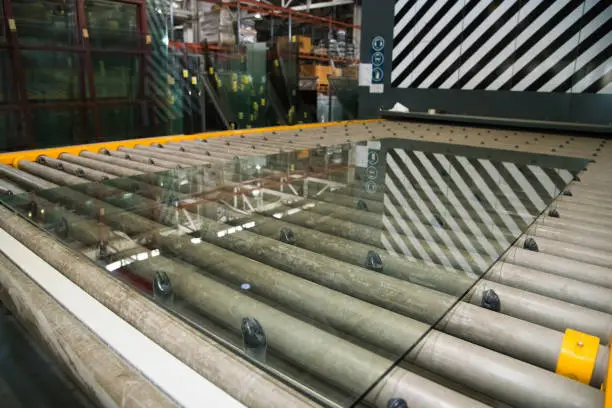
Raw materials are melted at extremely high temperatures and formed into precision glass tubing or containers that meet strict dimensional specifications.
Pharmaceutical Conversion
Glass tubing is converted into vials, ampoules, syringes, and cartridges using highly automated production technologies.
Quality Testing
Finished packaging undergoes rigorous testing for dimensional accuracy, chemical durability, thermal resistance, cosmetic quality, and particulate contamination before release.
Schott's Position in the Global Market
Schott is widely recognized as one of the leading manufacturers of pharmaceutical borosilicate glass and advanced drug containment solutions. The company supplies glass tubing and packaging components to pharmaceutical manufacturers around the world.
Its market position is supported by several strengths:
Advanced Manufacturing Expertise
Schott has extensive experience in producing high-performance pharmaceutical glass that meets stringent international quality standards.
Global Manufacturing Network
Multiple production facilities help support reliable supply to pharmaceutical companies across different regions.
Innovation in Drug Containment
The company continues to invest in improved glass formulations, high-performance packaging systems, and technologies designed to reduce contamination risks and improve product reliability.
Focus on Sustainability
Schott is also investing in energy-efficient manufacturing processes and initiatives aimed at reducing the environmental impact of pharmaceutical packaging production.
Procurement Considerations for Pharmaceutical Companies
Selecting the right packaging supplier requires more than evaluating price alone.
Procurement teams should consider:
Supply Security
Assess supplier capacity, geographic diversification, and contingency plans to ensure uninterrupted availability.
Regulatory Compliance
Verify compliance with Good Manufacturing Practices (GMP), international pharmacopoeias, and pharmaceutical packaging regulations.
Quality Assurance
Review quality systems, inspection procedures, traceability, and change management processes.
Long-Term Partnerships
Strategic relationships with trusted packaging suppliers can improve supply stability and support future product launches.
Emerging Trends in Pharmaceutical Packaging
The pharmaceutical packaging sector continues to evolve through innovation and sustainability.
Current trends include:
Lightweight glass packaging
Enhanced break resistance
Ready-to-use sterile containers
Digital quality monitoring
Sustainable manufacturing practices
Advanced packaging for biologics and cell therapies
These developments aim to improve patient safety while increasing manufacturing efficiency.
Building a Resilient Packaging Supply Chain
To strengthen packaging procurement, organizations should:
Qualify multiple packaging suppliers.
Monitor global glass manufacturing capacity.
Maintain strategic inventory for critical packaging components.
Conduct regular supplier risk assessments.
Collaborate with suppliers on demand forecasting.
Integrate digital supply chain monitoring tools.
A diversified and transparent supply chain helps reduce the risk of packaging shortages that could delay pharmaceutical production.
Looking Ahead
As injectable therapies, vaccines, and biologic medicines continue to expand globally, demand for pharmaceutical-grade borosilicate glass is expected to grow steadily. Manufacturers will continue investing in production capacity, quality improvements, and sustainable manufacturing technologies to meet evolving industry requirements.
For procurement professionals, packaging materials should be viewed as strategic assets rather than routine purchasing items. Reliable access to high-quality borosilicate glass will remain essential for ensuring uninterrupted pharmaceutical manufacturing.
Conclusion
Borosilicate glass is a cornerstone of modern pharmaceutical packaging, providing the durability, purity, and reliability required for sensitive medicines. Companies such as Schott play an important role in maintaining the global supply of pharmaceutical-grade glass through advanced manufacturing, innovation, and strong quality systems.
As demand for injectable drugs and biologics continues to increase, procurement teams should prioritize supplier resilience, regulatory compliance, and long-term partnerships. By adopting proactive sourcing strategies and strengthening packaging supply chains, pharmaceutical manufacturers can ensure product quality, maintain production continuity, and support future healthcare innovation.