Pharmaceutical Polymer Packaging: India's Medical Device Sector After Duty Reinstatement
Introduction
India's pharmaceutical and medical device industries are closely linked through a robust ecosystem of manufacturers, packaging suppliers, and raw material producers. Changes in import duties on medical devices and related products can significantly influence procurement strategies, manufacturing costs, and the demand for pharmaceutical-grade polymer packaging.
Following the reinstatement of import duties on selected medical devices, procurement teams are reassessing sourcing strategies, supplier relationships, and material costs. For manufacturers of pharmaceutical packaging, this policy shift presents both challenges and opportunities as companies seek to balance cost efficiency with regulatory compliance and supply chain resilience.
The Role of Polymer Packaging in Healthcare
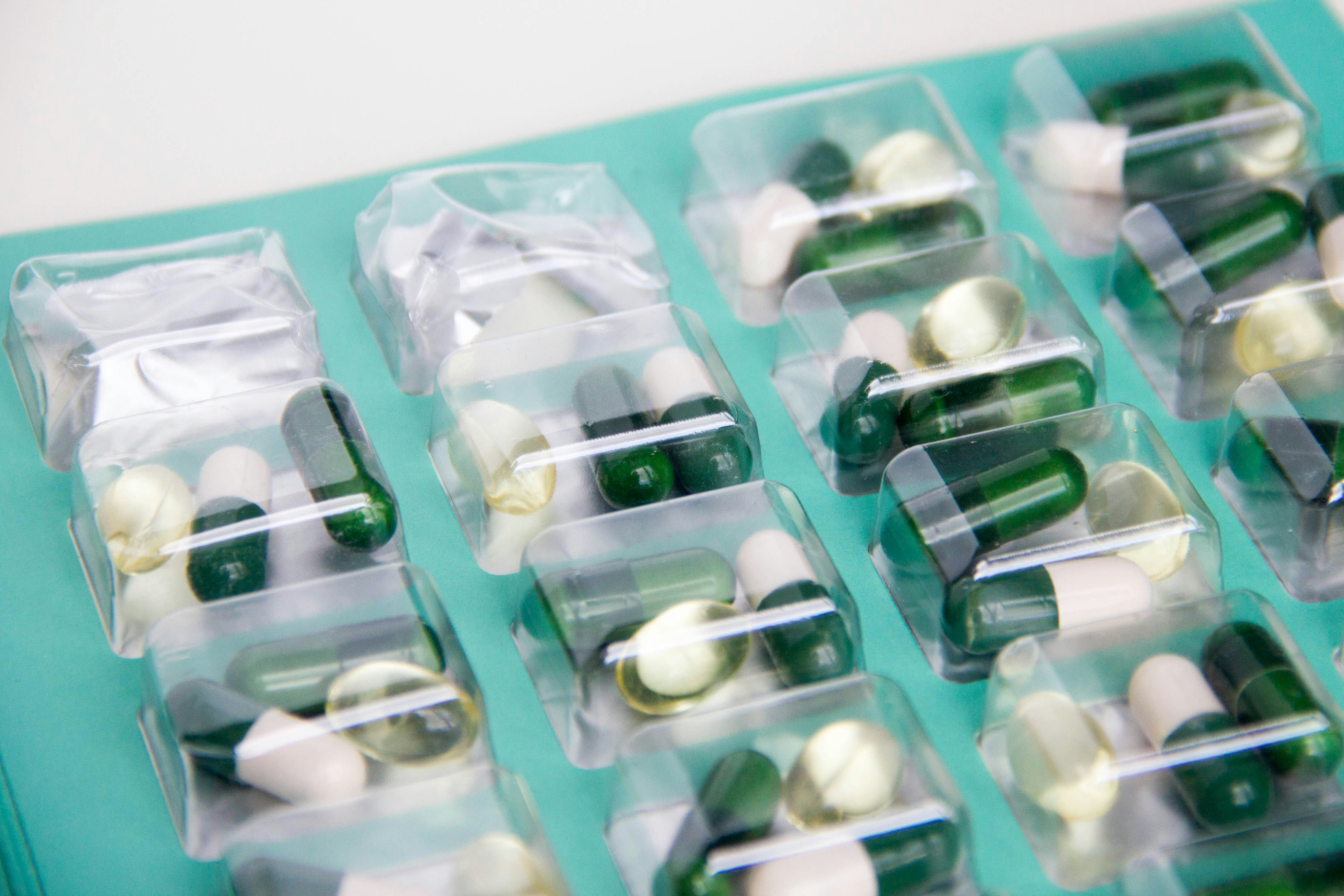
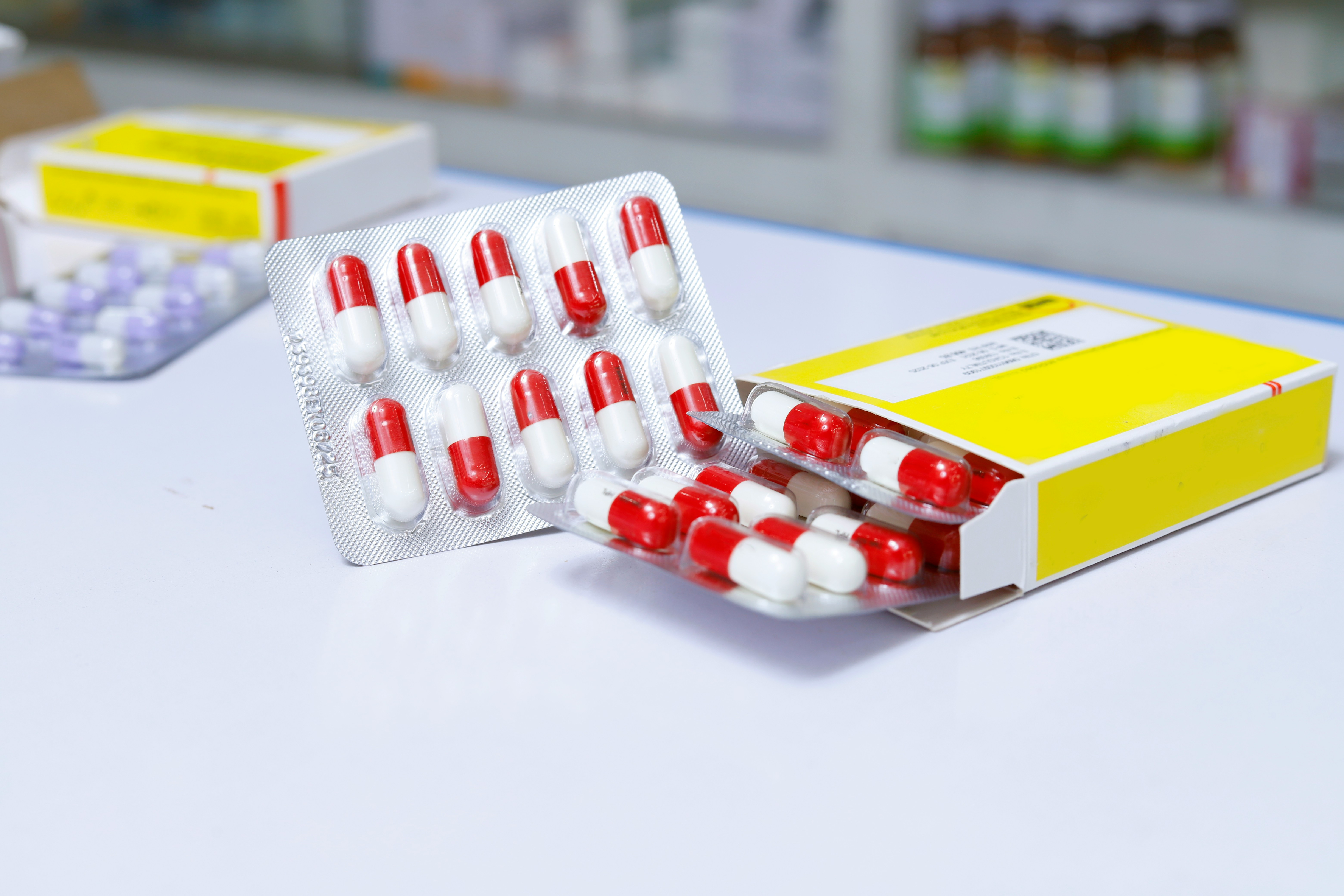
Polymer-based packaging is essential for protecting pharmaceutical products and medical devices throughout their lifecycle. High-performance polymers help maintain product integrity, extend shelf life, and ensure patient safety.
Common pharmaceutical polymer packaging includes:
Demand for these materials continues to grow alongside India's expanding pharmaceutical manufacturing sector.
How Duty Reinstatement Affects the Medical Device Industry
The reintroduction of import duties can influence purchasing decisions across the healthcare supply chain.
Potential impacts include:
Higher Import Costs
Medical device manufacturers relying on imported products or components may experience increased procurement costs, encouraging greater focus on domestic sourcing.
Increased Demand for Local Manufacturing
Import duties often improve the competitiveness of domestic manufacturers, potentially stimulating investment in local production capacity.
Supply Chain Reconfiguration
Companies may diversify suppliers or relocate sourcing to optimize costs while maintaining product quality and regulatory compliance.
Implications for Pharmaceutical Polymer Packaging
Changes in the medical device market can directly affect demand for polymer packaging materials.
Key procurement considerations include:
Increased Domestic Packaging Demand
As local medical device production expands, demand for pharmaceutical-grade polymer packaging is expected to increase.
Greater Need for High-Quality Raw Materials
Manufacturers will require reliable supplies of medical-grade polymers that meet stringent regulatory and performance standards.
Long-Term Supplier Partnerships
Packaging manufacturers may strengthen collaborations with domestic polymer producers to improve supply security and reduce import dependence.
Procurement Strategies for Packaging Manufacturers
To remain competitive in a changing market, procurement teams should consider several strategic initiatives.
Diversify Polymer Suppliers
Reduce supply risks by qualifying multiple suppliers across different geographic regions.
Monitor Raw Material Price Trends
Track fluctuations in polymer resin prices, transportation costs, and import policies that may affect production expenses.
Strengthen Quality Assurance
Ensure all suppliers comply with pharmaceutical and medical device quality standards through regular audits and documentation reviews.
Optimize Inventory Planning
Maintain balanced inventory levels to manage demand fluctuations while avoiding unnecessary carrying costs.
Opportunities for Indian Manufacturers
India's established pharmaceutical ecosystem creates favorable conditions for growth in pharmaceutical packaging.
Potential opportunities include:
Expansion of domestic polymer production
Increased investment in advanced packaging technologies
Greater export potential for medical-grade packaging products
Development of sustainable and recyclable packaging solutions
Enhanced collaboration between pharmaceutical and medical device manufacturers
Companies that invest in innovation and quality management can strengthen their competitive position in both domestic and international markets.
Sustainability and Innovation in Polymer Packaging
Environmental sustainability is becoming a major priority across the healthcare sector.
Packaging manufacturers are increasingly exploring:
Recyclable polymer materials
Lightweight packaging designs
Reduced material consumption
Energy-efficient manufacturing processes
Circular economy initiatives
Balancing sustainability with stringent pharmaceutical safety requirements will remain a key focus for future packaging innovation.
Looking Ahead
India's pharmaceutical and medical device industries are expected to continue expanding, supported by growing healthcare demand, manufacturing investments, and policy initiatives. Procurement teams will need to navigate evolving trade policies while ensuring reliable access to high-quality polymer materials.
Organizations that build diversified supplier networks, embrace digital procurement tools, and integrate sustainability into sourcing decisions will be better positioned to manage future market changes.
Conclusion
The reinstatement of import duties marks an important development for India's medical device sector and has significant implications for pharmaceutical polymer packaging. While changing trade policies may increase short-term procurement complexity, they also encourage domestic manufacturing, strengthen local supply chains, and create new opportunities for packaging suppliers.
By adopting proactive procurement strategies, investing in supplier relationships, and prioritizing quality and sustainability, pharmaceutical packaging manufacturers can enhance resilience and support the continued growth of India's healthcare industry.