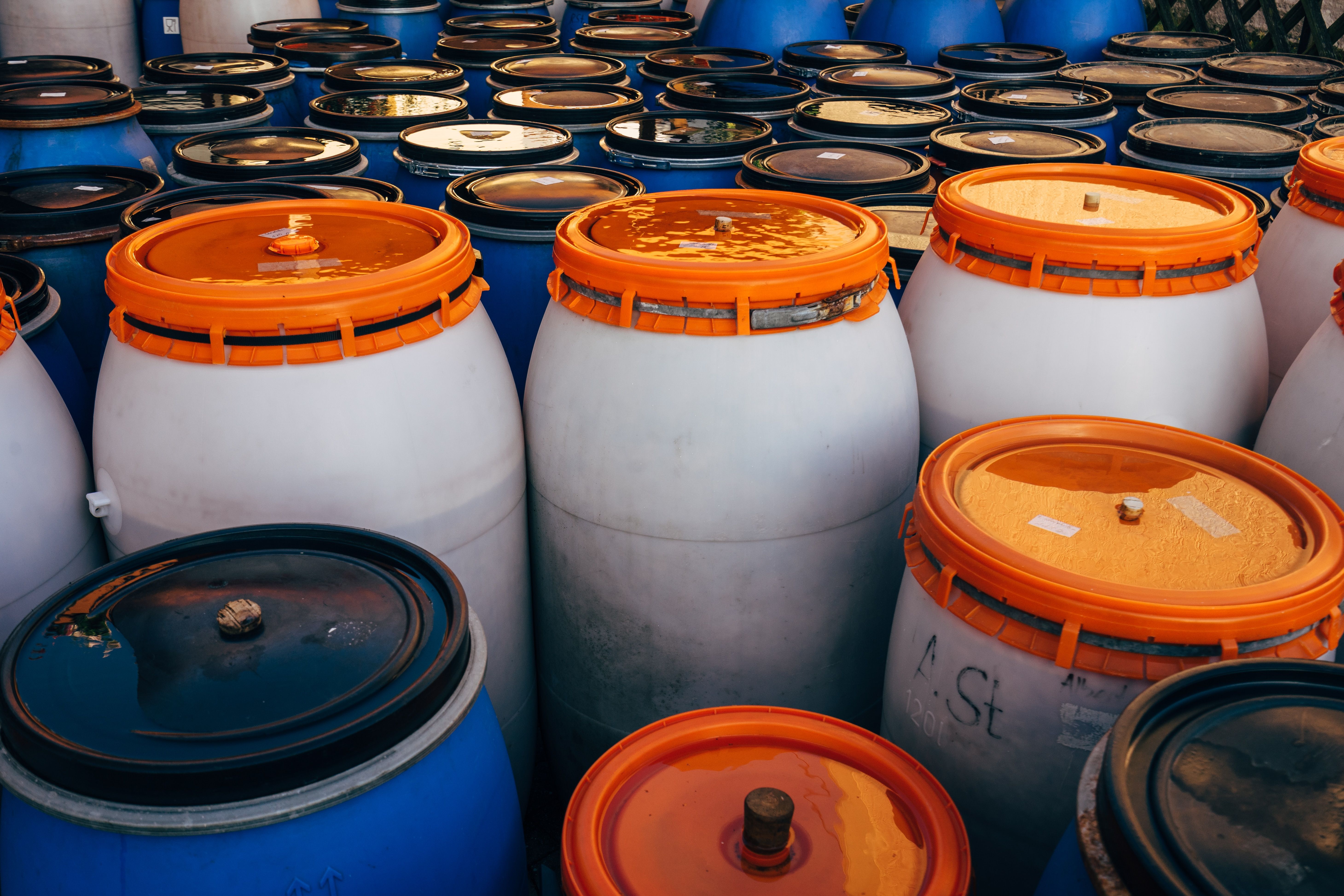
Pharmaceutical Raw Material Shortages Post-Hormuz
The 2026 Strait of Hormuz disruption highlighted the pharmaceutical industry's dependence on globally connected chemical supply chains. While much of the public attention focused on oil and energy markets, the disruption also affected the movement of pharmaceutical raw materials, healthcare packaging components, and medical technology supplies.
Many pharmaceutical manufacturers rely on internationally sourced chemicals, excipients, packaging polymers, and intermediates that transit through major global shipping routes. Delays in these supply chains can affect manufacturing schedules, inventory management, and procurement planning.
For pharmaceutical manufacturers, distributors, and procurement professionals, the Hormuz disruption reinforces the importance of building resilient sourcing strategies that reduce dependence on a single transportation corridor or supplier region.
Why Pharmaceutical Supply Chains Were Affected
Modern pharmaceutical manufacturing depends on a wide range of raw materials sourced from multiple countries.
These include:
Active Pharmaceutical Ingredients (APIs)
Pharmaceutical excipients
Packaging materials
Medical-grade polymers
Specialty solvents
Laboratory chemicals
When shipping routes experience disruption, delivery schedules can be affected even if manufacturing facilities continue operating normally.
Pharmaceutical manufacturers depend on essential raw materials such as Propylene Glycol (USP Grade), Polyethylene Glycol (PEG), Mannitol, Citric Acid, Sorbitol, Glycerin, and Isopropyl Alcohol (IPA) for medicine production and formulation. Any disruption to global shipping routes can affect the timely availability of these widely used pharmaceutical ingredients.

Isopropyl Alcohol (IPA) - Taiwan
The Impact on Procurement
Supply chain disruptions create several operational challenges for procurement teams.
Potential impacts include:
Longer supplier lead times
Higher transportation costs
Inventory shortages
Delayed production schedules
Increased sourcing complexity
Greater supplier risk
Organizations with diversified supplier networks generally adapt more effectively to unexpected logistics disruptions.
Building a More Resilient Supply Chain
The Hormuz disruption has encouraged pharmaceutical companies to strengthen procurement strategies through improved risk management.
Key approaches include:
Multi-source supplier qualification
Regional supplier diversification
Strategic safety stock planning
Digital supply chain monitoring
Long-term supplier partnerships
Regular supply chain risk assessments
These measures help improve business continuity during future geopolitical or logistics disruptions.
Procurement Considerations
Pharmaceutical procurement professionals should regularly evaluate both suppliers and transportation networks.
Important considerations include:
Supplier geographic diversity
Regulatory compliance
Inventory management
Logistics flexibility
Alternative shipping routes
Supply chain visibility
A balanced sourcing strategy helps reduce exposure to disruptions affecting any single region or transportation corridor.

Looking Ahead
Global pharmaceutical supply chains are expected to remain highly interconnected, making resilience an increasingly important competitive advantage. The lessons learned from the Hormuz disruption are encouraging companies to diversify suppliers, strengthen logistics planning, and improve supply chain visibility.
For procurement teams, maintaining reliable supplier relationships while expanding sourcing flexibility will be essential for ensuring uninterrupted pharmaceutical production in an evolving global trade environment.
Key Takeaways
The Hormuz disruption affected pharmaceutical raw material logistics beyond the energy sector.
APIs, excipients, packaging materials, and specialty chemicals rely on global supply chains.
Diversified sourcing improves resilience against transportation disruptions.
Procurement teams should strengthen supplier and logistics risk management.
Long-term supply chain resilience requires continuous planning and supplier diversification.
Found this useful?