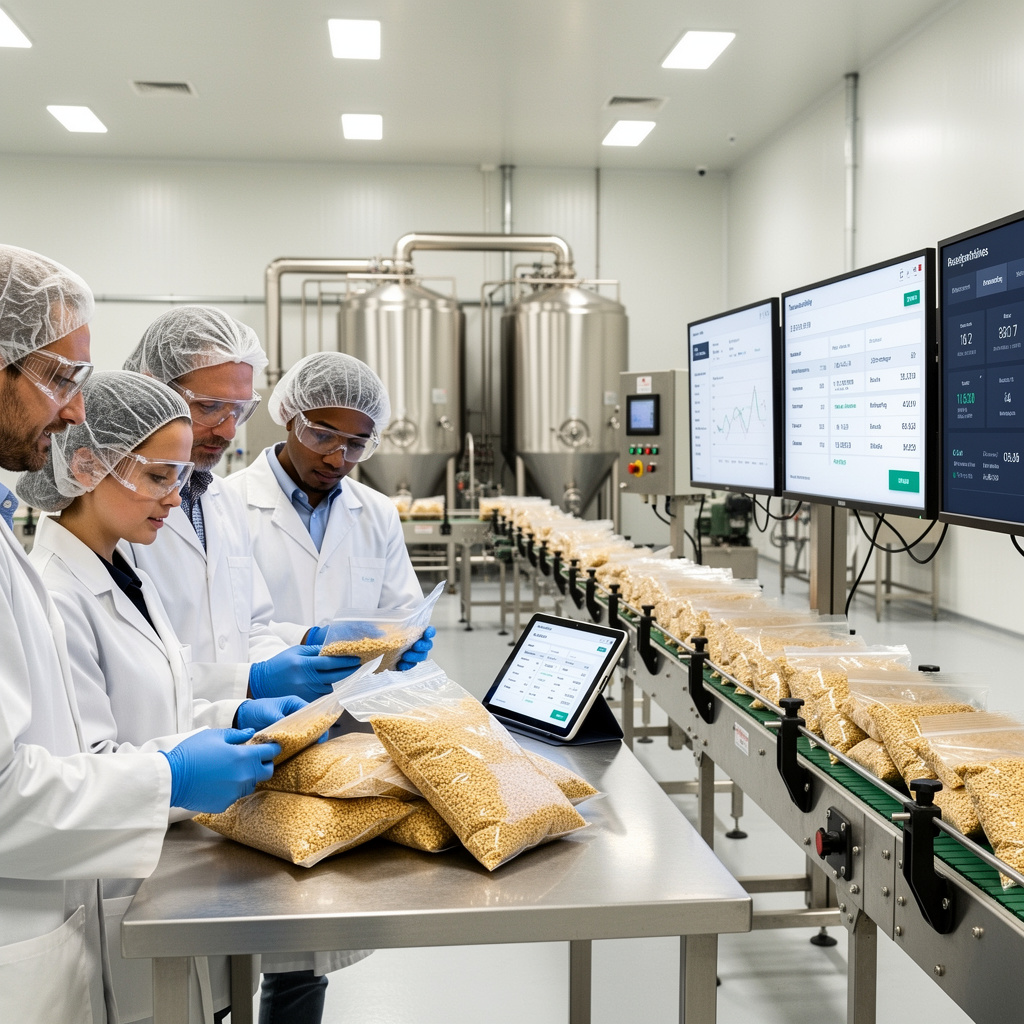
The rapid growth of plant-based proteins has changed the priorities of food ingredient procurement. While pricing, functionality and availability remain important, traceability has become a decisive factor for manufacturers supplying increasingly regulated global markets.
Ingredients such as textured soy protein are now used across meat alternatives, ready meals, bakery products and functional foods. As regulatory expectations evolve, procurement teams must ensure every stage of the supply chain can demonstrate product origin, processing history and compliance with applicable standards.
Why Traceability Has Become a Strategic Priority
Traceability is no longer limited to food safety investigations. It has become an essential business capability that supports regulatory compliance, customer confidence and uninterrupted international trade.
For plant-based ingredient suppliers, effective traceability enables companies to:
Verify the origin of raw materials.
Track ingredient movement throughout the supply chain.
Support product recall procedures if necessary.
Demonstrate compliance with customer and regulatory requirements.
Improve supply chain transparency.
Companies with strong traceability systems can respond more quickly to audits, customer requests and regulatory reviews.
Growing Demand for Textured Soy Protein
Textured soy protein continues to gain importance as manufacturers expand their plant-based product portfolios.
Common applications include:
As production volumes increase, ingredient traceability becomes more challenging because supply chains often involve multiple processors, exporters and distributors across different countries.
Regulatory Expectations Continue to Rise
Food regulators increasingly expect manufacturers to maintain accurate records covering the movement of ingredients from source to finished product.
This includes information relating to:
Supplier identity.
Batch numbers.
Production records.
Transportation history.
Quality documentation.
Companies unable to provide complete traceability information may experience delays during inspections, certification processes or customer qualification programmes.
Procurement Teams Play a Central Role
Procurement departments are often the first point of control for supply chain transparency.
Before approving suppliers, buyers should verify that vendors maintain reliable documentation covering ingredient origin and manufacturing practices.
Important procurement considerations include:
Supplier quality certifications.
Batch level traceability systems.
Product specifications.
Documentation retention procedures.
Audit readiness.
Evaluating these areas during supplier qualification helps reduce compliance risks later in the supply chain.
Technology Is Improving Supply Chain Visibility
Digital systems are making ingredient traceability more efficient than traditional paper records.
Many manufacturers now use integrated platforms that connect purchasing, production, warehousing and distribution information into a single traceability framework.
These systems allow businesses to:
Locate specific ingredient batches quickly.
Respond faster to customer enquiries.
Improve inventory management.
Support regulatory inspections.
Reduce administrative effort during audits.
Digital traceability also improves communication between suppliers and downstream manufacturers.
Traceability Supports Market Access
Many retailers, food manufacturers and export markets increasingly require documented traceability before approving new suppliers.
Companies with transparent supply chains often gain advantages such as:
Faster supplier qualification.
Greater customer confidence.
Improved regulatory compliance.
Stronger brand reputation.
Better risk management during product recalls.
As plant-based foods continue expanding into international markets, these capabilities become increasingly valuable.
What Ingredient Buyers Should Do Next
Traceability has become one of the defining characteristics of a resilient plant-based ingredient supply chain. As textured soy protein and other plant-based ingredients gain wider acceptance, procurement teams should strengthen supplier verification, improve documentation practices and ensure traceability systems remain audit ready.
Organizations that invest in transparent sourcing today will be better positioned to meet evolving regulatory expectations while maintaining customer confidence and long term market access.
Ready to source plant-based protein ingredients from verified global suppliers? Explore competitive offers on our platform today.