Polyester and PBT Supply Chain: How BDO and PTA Measures Reach Downstream Users
Polyester and engineering plastics depend on chemical intermediates that connect upstream producers with manufacturers of fibers, packaging, automotive components and electrical equipment. In this supply chain, purified terephthalic acid (PTA) and 1,4-butanediol (BDO) serve different but interconnected roles, influencing production costs, material availability and purchasing decisions.
PTA provides the terephthalate component used in major polyester products, including polyethylene terephthalate (PET), while BDO combines with terephthalic acid to produce polybutylene terephthalate (PBT). For chemical traders and procurement teams, understanding these pathways helps explain why changes in feedstock prices, production rates and logistics can affect downstream manufacturing even when buyers purchase finished polymers rather than the original chemicals.
How PTA and BDO Fit into the Polymer Supply Chain
The supply chain begins with chemical feedstocks and intermediate producers before moving through polymerization, resin processing and finished-product manufacturing. PTA and BDO enter this network at different points, so their market movements do not always produce identical effects.
PTA: Manufacturers use PTA to produce PET and other terephthalate-based polyesters. PET serves packaging, textile and industrial applications, connecting PTA demand to beverage containers, polyester fibers and films.
BDO: Manufacturers use BDO in PBT production and several other chemical pathways, including tetrahydrofuran (THF), polyurethane materials and specialty polyesters. Its demand therefore reflects several competing applications rather than PBT alone.
Polymer producers: These companies convert intermediates into polymer resins or fibers, balancing raw-material costs against plant capacity, customer orders and product specifications.
Downstream converters: Fiber spinners, packaging manufacturers, injection molders and component suppliers turn polymer materials into products for consumer and industrial markets.
These relationships create multiple pricing stages. A change in PTA or BDO costs may first affect polymer producers, then influence resin quotations and eventually reach manufacturers purchasing fibers, films or molded components.
Why Polyester and PBT Follow Different Chemical Routes
Although both materials belong to the broader polyester family, PET and PBT have different production requirements and end-use characteristics. Buyers should distinguish between their feedstock exposure rather than treating all polyester-related demand as one market.
PET production commonly uses PTA with monoethylene glycol (MEG). Producers react these intermediates to form polyester polymer chains, then process the material into packaging resin, fibers or films according to the required application.
PBT, by contrast, combines terephthalic acid with BDO. The reaction builds a polymer suited to engineering applications that require dimensional stability, strength and useful electrical properties. Manufacturers commonly process PBT into components for electrical equipment, appliances and automotive systems.
The distinction matters commercially because PTA is a central input to conventional PET production, whereas BDO is a key additional input for PBT. PTA prices can affect both PET and PBT manufacturing economics, but BDO prices connect more directly to PBT and other BDO-derived products.
What Drives PTA and BDO Purchasing Costs?
Feedstock prices provide only one part of the final procurement equation. Buyers also need to consider production efficiency, product quality, transport costs and the balance between available supply and downstream orders.
Several factors can influence purchasing decisions:
Upstream feedstock costs: Changes in the raw materials used to manufacture PTA or BDO can affect producer margins and the prices suppliers offer to customers.
Plant operating rates: Production interruptions, maintenance schedules and lower operating rates can reduce the volume available to buyers even when market demand remains steady.
Regional supply and demand: A surplus in one market may create competitive export offers, while shortages in another region can increase import dependence and delivered costs.
Energy and processing expenses: Energy consumption, conversion costs and plant efficiency influence manufacturing economics across the chemical chain.
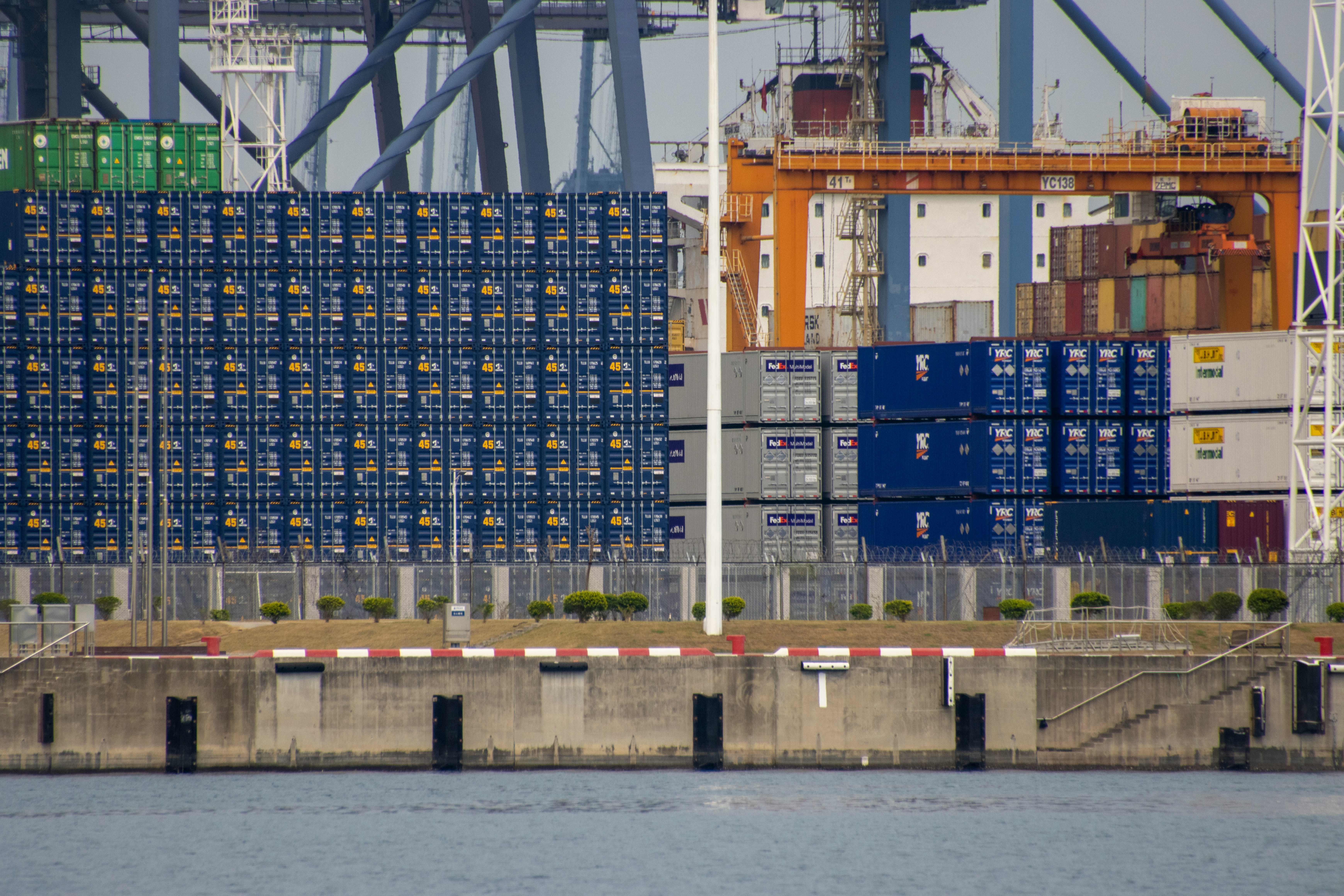
Freight and trade conditions: Ocean freight, inland transport, customs procedures and trade restrictions can change the relative attractiveness of competing suppliers.
Procurement teams should compare delivered costs rather than relying exclusively on a quoted price per tonne. A lower ex-works offer may lose its advantage after freight, insurance, import charges, handling and inventory expenses enter the calculation.
How Feedstock Changes Reach Downstream Manufacturers
The movement from chemical intermediates to finished products involves several commercial decisions, which means price changes do not pass through the chain immediately or uniformly.
When PTA prices increase, PET producers may face higher production costs. Their ability to pass those costs to customers depends on resin availability, competing supplier offers, inventory levels and demand from packaging or textile manufacturers.
PBT producers face a similar calculation when BDO prices rise. If BDO represents a growing share of production costs, manufacturers may seek higher resin prices, renegotiate contracts or adjust purchasing schedules. However, strong competition or weak demand can limit their ability to recover the full increase.
Inventory also influences the timing of price transmission. A polymer producer holding sufficient raw materials may continue production at previously calculated costs for a period, while another producer purchasing intermediates on the spot market may experience a more immediate effect.
For downstream buyers, this creates three important distinctions:
Feedstock prices indicate upstream cost pressure, not necessarily the price a finished-product supplier will charge.
Polymer prices reflect raw materials alongside conversion costs, production capacity, demand and supplier margins.
Finished-component prices also incorporate processing, tooling, labor, quality requirements and contractual terms.
Procurement teams should therefore track the relevant stage of the supply chain instead of assuming that a movement in PTA or BDO will translate directly into an equal percentage change in finished goods.
Regional Supply Patterns and Market Concentration
Regional production capacity can influence the availability of PTA, BDO and the polymers manufactured from them. Buyers who understand where suppliers operate can evaluate import dependence, alternative sourcing options and the potential effects of regional disruptions.
Asia plays a particularly important role in BDO markets. S&P Global's February 2026 Chemical Economics Handbook reports that mainland China, Japan, South Korea and Taiwan together accounted for more than three-quarters of global BDO consumption in 2025. The report also identifies mainland China as the largest producer and consumer of BDO, reflecting the importance of its chemical and polymer manufacturing industries.
This concentration creates both opportunities and risks for international buyers. Large production networks can offer competitive supply options, but buyers should also consider regional demand changes, plant outages, export availability and shipping conditions when choosing suppliers.
PTA sourcing requires a similar regional assessment, particularly for manufacturers serving large PET and polyester fiber markets. Importers should compare domestic availability with overseas offers and determine whether a supplier can maintain consistent deliveries throughout the purchasing period.
A practical regional sourcing strategy should include:
Primary suppliers: Establish relationships with manufacturers or established distributors that can demonstrate reliable product quality and delivery performance.
Alternative origins: Identify qualified suppliers in other regions to reduce dependence on one production center or shipping route.
Logistics planning: Compare port access, transit times, container or bulk-shipping options and inland transportation requirements.
Market monitoring: Track feedstock prices, polymer demand and production announcements that could affect supplier quotations or delivery commitments.
Quality Specifications and Contract Risks
Chemical intermediates require clear technical specifications because material quality can influence polymer processing, production efficiency and final product performance. Buyers should agree on specifications before placing orders rather than relying solely on a product name or general purity claim.
For PTA, procurement teams should review the agreed purity grade and relevant impurity limits, moisture requirements and testing methods. They should also confirm that the material meets the receiving polymer plant's requirements.
For BDO, buyers should establish acceptable purity, water content, color and other relevant specification limits. The supplier's certificate of analysis should match the contractual requirements, while the safety data sheet should support appropriate handling and transport arrangements.
Contracts should also address commercial risks that can arise between order placement and delivery.
Price mechanisms: Define whether the purchase uses a fixed price, a market-linked formula or periodic renegotiation.
Delivery terms: Specify the delivery location, applicable Incoterms, shipment schedule and responsibility for freight and insurance.
Quality disputes: Agree on sampling procedures, independent testing arrangements and the process for handling off-specification material.
Supply interruptions: Establish notification requirements and clear procedures for delays, allocation changes or missed shipment commitments.
Documentation: Confirm the required invoice, packing list, certificate of analysis, safety data sheet and origin documents where applicable.
These measures help buyers compare offers on consistent terms and reduce the risk that a low initial quotation leads to higher costs later.
Sustainability and the Evolution of Polyester Feedstocks
Sustainability is becoming another consideration in chemical sourcing as polymer manufacturers evaluate production emissions, resource efficiency and alternative raw materials. The transition affects purchasing decisions differently across the PTA and BDO supply chains.
For conventional polyester production, buyers can assess supplier information on energy use, production emissions and the availability of recycled or alternative feedstock pathways. The relevance of each option depends on the target polymer, processing requirements and customer specifications.
BDO presents another potential development through bio-based production routes. S&P Global's 2026 industry overview identifies ongoing investment in renewable BDO technologies, although commercial production remains small relative to conventional supply.
For procurement teams, the key is to distinguish between commercially available materials and emerging production options. Buyers considering lower-emission materials should request documented information about feedstock origin, production methods, product performance and any applicable sustainability certification.
Sustainability requirements can also affect supplier qualification and contract negotiations. Manufacturers serving customers with specific environmental targets may need to evaluate both the chemical's production footprint and the emissions associated with transport and downstream processing.
What Procurement Teams Should Do Next
A strong polyester and PBT sourcing strategy connects upstream chemical purchasing with downstream production requirements. Buyers should assess PTA and BDO separately, then evaluate how their availability and costs affect the particular polymer or finished product they need.
Start with these practical steps:
1. Map the material pathway. Identify whether the final application depends on PTA-based PET, BDO-based PBT or another polymer route, and determine which intermediates directly affect the production process.
2. Build a cost comparison. Request comparable quotations with the same grade, quantity, delivery terms and payment conditions. Include freight, insurance, import charges and inventory costs when calculating the landed price.
3. Qualify suppliers technically. Review certificates of analysis, product specifications, safety documentation and the supplier's ability to meet required shipment volumes.
4. Assess supply continuity. Compare lead times, production locations, available stock and alternative supply options before committing to large volumes or long delivery schedules.
5. Monitor the relevant markets. Track PTA and BDO price movements alongside PET and PBT resin quotations, downstream order activity and changes in supplier availability.
6. Align contracts with demand forecasts. Match purchasing volumes and delivery schedules to expected consumption, storage capacity and production plans. Where appropriate, use staggered orders to balance supply security with inventory exposure.
The most effective buyers do not treat raw-material prices as isolated indicators. They connect feedstock economics with polymer conversion costs, regional availability and customer demand to make better-informed purchasing decisions.
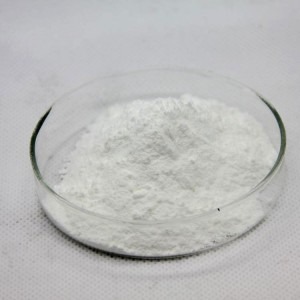
Purified Terephthalic Acid
SOURCE LINK: https://www.lyondellbasell.com/en/chemicals/p
Found this useful?