Polyethylene's Recycling Reckoning: EPA's Pyrolysis Rule Could Redefine "Advanced Recycling"
Polyethylene's Recycling Reckoning: EPA's Pyrolysis Rule Could Redefine "Advanced Recycling"
Introduction
Polyethylene (PE), the world's most widely used plastic, has long been at the center of discussions about plastic waste and recycling. While traditional mechanical recycling remains the primary recovery method, advanced recycling technologies—particularly pyrolysis—have gained attention as a potential solution for processing plastics that are difficult to recycle through conventional methods.
The U.S. Environmental Protection Agency's (EPA) evolving approach to regulating pyrolysis could significantly influence how "advanced recycling" is defined, regulated, and adopted across the chemical and plastics industries. For manufacturers, recyclers, and procurement professionals, the outcome could shape future investment decisions, feedstock availability, and sustainability strategies.
What Is Pyrolysis?
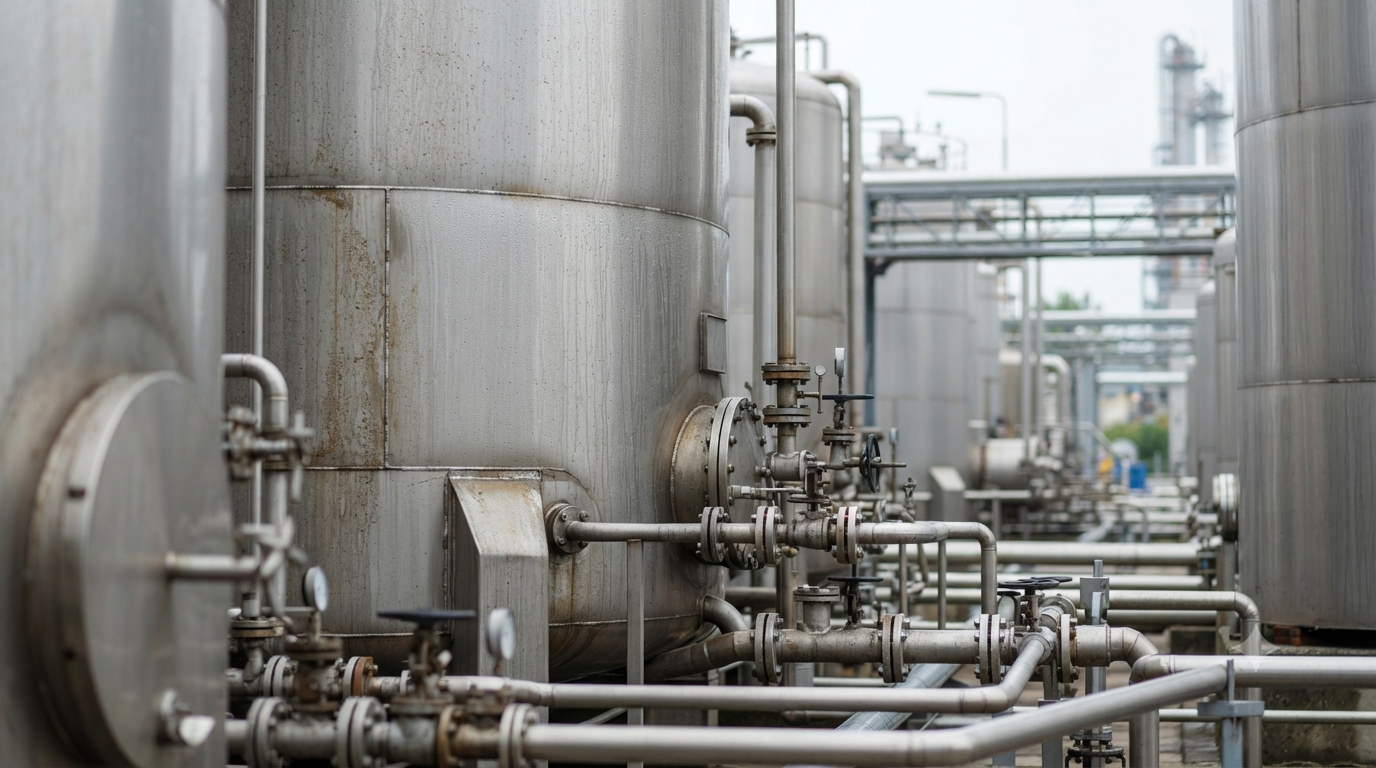
Pyrolysis is a chemical recycling process that heats plastic waste in the absence of oxygen, breaking long polymer chains into smaller hydrocarbon molecules.
The resulting products may include:
Pyrolysis oil
Synthetic gas (syngas)
Waxes
Carbon-rich solid residues
These outputs can be further refined and used as feedstocks for producing new chemicals, fuels, or plastics, supporting a more circular materials economy.
Why the EPA's Rule Matters
The EPA's regulatory framework for pyrolysis has implications that extend beyond waste management. How the agency classifies pyrolysis facilities and their outputs could influence the future of advanced recycling across the United States.
Key areas affected include:
Regulatory Classification
Clarification on whether pyrolysis is considered manufacturing, waste treatment, or recycling will determine which environmental regulations apply.
Permitting Requirements
Changes to permitting standards could affect project timelines, operating costs, and facility expansion plans.
Environmental Compliance
Facilities may face updated air emissions, waste handling, and reporting requirements depending on how pyrolysis operations are regulated.
Investment Confidence
Clear and consistent regulations can encourage investment in advanced recycling technologies by reducing regulatory uncertainty.
Implications for the Polyethylene Value Chain
Polyethylene is one of the primary feedstocks used in pyrolysis because of its high hydrocarbon content and widespread availability in post-consumer and industrial waste streams.
Potential impacts include:
Increased Demand for Waste Polyethylene
If advanced recycling expands, demand for collected and sorted polyethylene waste may increase, improving the value of recyclable materials.
Alternative Feedstock Sources
Chemical manufacturers could supplement fossil-based feedstocks with recycled pyrolysis oil, helping reduce dependence on virgin raw materials.
Improved Circularity
Advanced recycling may enable polyethylene products that are difficult to recycle mechanically to re-enter the production cycle as chemical feedstocks.
Supply Chain Adjustments
Manufacturers, converters, and recyclers may need to develop new partnerships to secure consistent supplies of recyclable plastic materials.
Challenges Facing Advanced Recycling
Despite growing interest, pyrolysis continues to face technical, economic, and regulatory challenges.
These include:
High capital investment requirements.
Feedstock quality and contamination issues.
Variable yields depending on plastic composition.
Energy consumption and operational efficiency.
Market acceptance of recycled feedstocks.
Evolving environmental regulations and permitting requirements.
Addressing these challenges will be essential for broader commercial adoption.
Procurement Considerations
Procurement teams should monitor developments in advanced recycling as they evaluate long-term raw material strategies.
Recommended actions include:
Assess suppliers offering certified recycled feedstocks.
Evaluate the availability and quality of pyrolysis-derived materials.
Incorporate sustainability criteria into supplier selection.
Monitor regulatory developments affecting recycled content.
Diversify sourcing strategies to include circular feedstock options.
Collaborate with suppliers on recycled material traceability.
These measures can help organizations strengthen both supply resilience and sustainability performance.
Sustainability and Circular Economy Opportunities
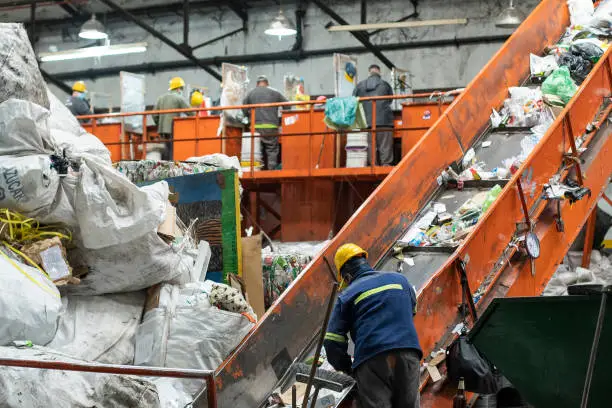
Advanced recycling is increasingly viewed as a complementary solution to mechanical recycling rather than a replacement. When integrated responsibly, pyrolysis can help recover value from plastics that are difficult to process through conventional recycling systems.
Potential benefits include:
Reduced landfill disposal.
Greater recovery of difficult-to-recycle plastics.
Increased availability of recycled chemical feedstocks.
Support for corporate circular economy initiatives.
Progress toward recycled content and sustainability goals.
However, long-term success will depend on transparent regulations, robust environmental oversight, and continued technological innovation.
Looking Ahead
As governments continue refining policies around plastic waste management and circular economy initiatives, the EPA's approach to pyrolysis is likely to influence industry standards and investment decisions. Companies that monitor regulatory developments and integrate recycled feedstocks into their procurement strategies will be better positioned to adapt to changing market expectations.
The evolving definition of advanced recycling may ultimately shape how polyethylene waste is managed, valued, and reintroduced into global chemical supply chains.
Conclusion
The EPA's evolving pyrolysis rule has the potential to redefine the role of advanced recycling within the plastics and chemical industries. For polyethylene producers, recyclers, and downstream manufacturers, regulatory clarity will be critical in determining how pyrolysis technologies are deployed and how recycled feedstocks contribute to a more circular economy.
Organizations that proactively evaluate advanced recycling opportunities, strengthen supplier partnerships, and stay informed about regulatory developments will be better equipped to balance sustainability objectives with long-term supply chain resilience.
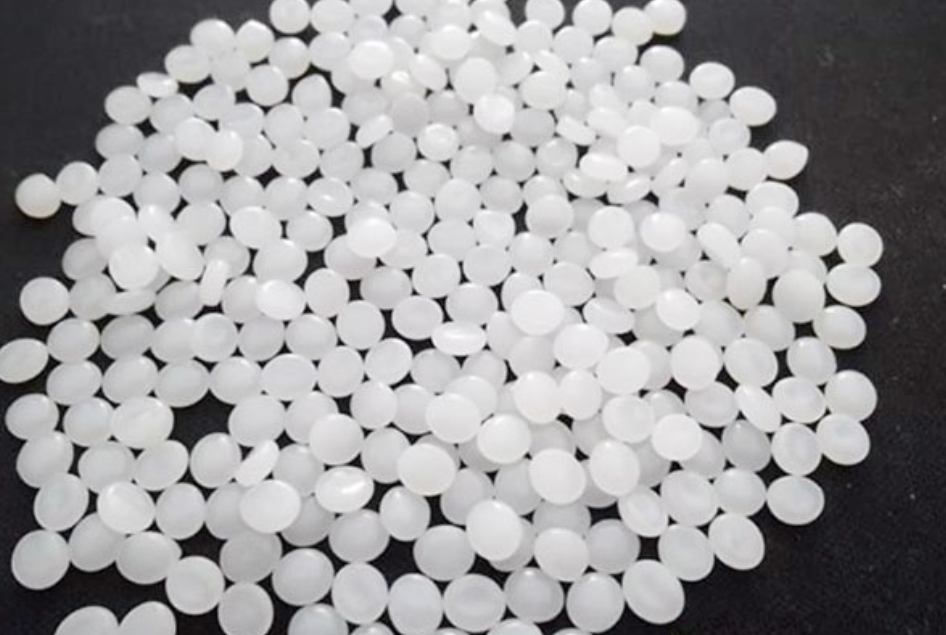
High Density Polyethylene (HDPE)
Found this useful?