Polypropylene: PDH Economics at the Intersection of LPG Recovery and Crude Correction
Early July has introduced a meaningful shift in the polypropylene market. Chinese propane dehydrogenation, commonly known as PDH, producers are benefiting from recovering LPG supplies while crude prices around $73 per barrel have eased pressure across competing propylene production routes. These developments point toward gradually improving polypropylene availability after weeks of supply uncertainty.
For procurement managers and chemical traders, the market signal extends beyond lower feedstock costs. The interaction between recovering LPG imports and more competitive naphtha cracking economics is reshaping supply expectations across Asia. Although the direction suggests softer polypropylene prices, the speed of any correction depends largely on whether Gulf LPG shipments continue their recent recovery.
Why PDH Economics Matter for Polypropylene
Polypropylene begins with propylene, and the economics of producing propylene directly influence resin pricing across global markets.
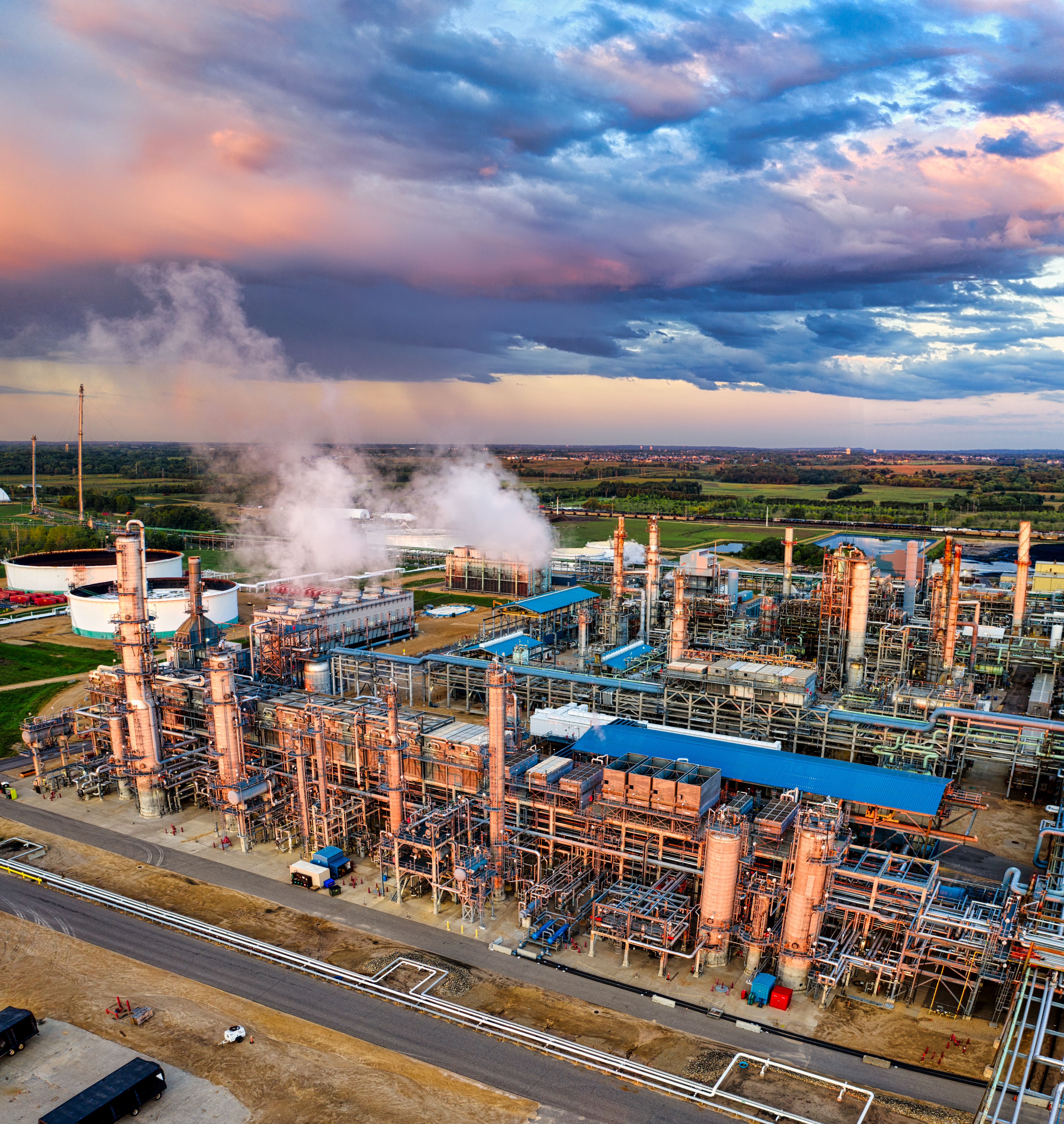
PDH plants convert propane into propylene through a relatively straightforward production route. Compared with traditional steam crackers that process naphtha, PDH facilities usually offer greater flexibility when propane prices remain competitive.
During the recent disruption to Gulf LPG exports, propane supplies tightened significantly. This reduced the operating advantage of many PDH producers while simultaneously increasing uncertainty across polypropylene supply chains.
As LPG cargo movements resume, operators once again gain access to more reliable feedstock. That recovery allows production rates to improve and helps restore confidence among downstream polypropylene buyers.
LPG Recovery Is Changing the Supply Picture
The strongest market signal entering July comes from improving LPG logistics.
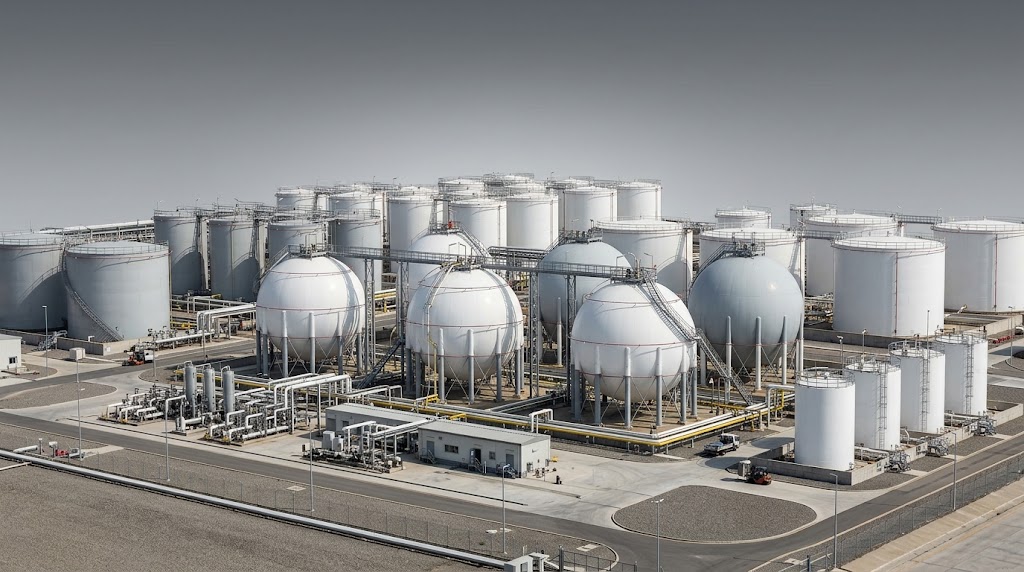
Recent Gulf shipping activity indicates that LPG cargoes are once again moving through key export routes. Thirty four successful crossings by the end of June suggest that supply interruptions have eased compared with previous weeks.
This development affects the market in several ways.
More propane reaches Chinese PDH facilities, allowing higher operating rates.
Feedstock purchasing becomes more predictable, reducing short term procurement risk.
Importers gain additional confidence when planning forward inventory.
Propylene production gradually increases, supporting higher polypropylene output.
The market still requires consistency before participants assume that supply has fully normalised. A temporary improvement alone does not guarantee long term stability.
Crude Correction Reduces Pressure on Naphtha Crackers
While LPG availability improves, crude oil has settled near levels that also support competing production technologies.
Naphtha crackers produce propylene alongside other petrochemical products. Their profitability often depends on crude oil because naphtha prices closely follow changes in crude markets.
Earlier periods of elevated crude prices reduced the competitiveness of cracker based propylene production. As crude prices moderated, these facilities regained part of their cost advantage.
This creates an important shift.
Instead of only PDH producers increasing supply, conventional crackers can also raise production under more favourable economics. The result is a broader recovery in propylene availability from multiple production routes.
The Structural PDH Advantage Is Becoming Smaller
PDH technology still offers valuable operational flexibility, especially for producers focused primarily on propylene.
However, the unusually wide economic advantage that PDH enjoyed during the height of Gulf LPG disruptions is beginning to narrow.
Several factors contribute to this transition.
LPG feedstock availability has improved, reducing emergency supply concerns.
Crude correction supports more competitive naphtha production costs.
Propylene production becomes less dependent on a single processing route.
Buyers gain access to a wider supplier base as operating conditions improve.
Rather than creating a supply shortage, the market now appears to be moving toward healthier production balance.
What This Means for Polypropylene Supply During July
Polypropylene buyers should expect supply conditions to improve gradually instead of suddenly.
Production increases require feedstock deliveries, stable plant operations and downstream logistics to align. Even when propane becomes more available, manufacturers often increase operating rates carefully rather than immediately returning to full capacity.
Regional inventory levels also influence how quickly additional production reaches the market. Some producers may first rebuild internal inventories before expanding export sales.
For importers, this means purchasing opportunities could become more attractive as July progresses. At the same time, buyers should avoid assuming that rapid price declines are guaranteed, particularly if shipping activity slows again or new geopolitical risks emerge.
Procurement Strategy Should Focus on Market Momentum
Current conditions reward procurement teams that monitor supply indicators rather than reacting only to spot prices.
Instead of viewing polypropylene pricing through the lens of crude oil alone, buyers should also follow LPG shipping volumes, PDH operating rates and cracker utilisation. These indicators increasingly determine how much material enters regional markets.
Companies with flexible purchasing schedules may benefit from staging purchases over multiple weeks instead of committing all volumes immediately. This approach allows procurement teams to respond if improving feedstock availability continues to increase polypropylene supply throughout July.
How Global Trade Flows Could Influence PP Prices
China remains one of the world's largest producers and consumers of polypropylene, making its production economics highly influential across regional and international markets.
As Chinese PDH plants secure more consistent propane supplies, domestic propylene production is expected to increase. If local demand does not absorb all additional output, more polypropylene may become available for export, increasing competition in nearby Asian markets.
Importers across Southeast Asia, South Asia and parts of the Middle East should closely monitor export activity. Greater availability from Chinese suppliers often creates more competitive offers, especially for standard polypropylene grades used in packaging, automotive components and consumer goods.
However, freight costs, currency movements and regional demand can still influence landed prices. A lower production cost does not automatically translate into the same level of price reduction for every importing country.
Factors That Could Slow the Expected Price Correction
Although current indicators point toward softer polypropylene prices, several risks could interrupt this trend.
Procurement teams should continue monitoring the following developments:
Any disruption to Gulf LPG exports could tighten propane availability again, placing renewed pressure on PDH operating costs.
A sharp rebound in crude oil prices would increase naphtha costs, reducing the competitiveness of cracker-based propylene production.
Strong seasonal manufacturing demand could absorb additional polypropylene supply more quickly than expected.
Planned or unexpected maintenance at major PDH or cracker facilities may temporarily reduce regional production.
These variables mean that the market is moving toward balance rather than entering a prolonged oversupply cycle.
Procurement Priorities in a Changing PP Market
Successful procurement during July depends on timing and market intelligence rather than attempting to predict the exact bottom of the price cycle.
Buyers should consider several practical actions:
Review supplier quotations more frequently as feedstock conditions continue to evolve.
Compare offers from producers using different propylene production routes because cost structures may vary during the transition period.
Maintain reasonable inventory levels instead of overstocking based on expectations of immediate shortages.
Strengthen relationships with multiple qualified suppliers to improve sourcing flexibility if market conditions change again.
Companies that combine disciplined purchasing with continuous market monitoring will be better positioned to benefit from improving supply conditions.
Looking Ahead for Polypropylene Buyers
The current market represents an important transition rather than a dramatic reversal. Recovering LPG availability and more balanced crude prices are gradually improving production economics across both PDH facilities and traditional naphtha crackers.
As these two production routes move toward more normal operating conditions, propylene supply should continue expanding, creating a healthier foundation for polypropylene availability. The exceptional cost advantage that PDH producers enjoyed during peak supply disruption is fading, but overall market stability is improving.
For procurement professionals, the most valuable indicator over the coming weeks will be the consistency of LPG shipments. If Gulf cargo movements continue at current or higher levels, polypropylene prices are likely to experience a measured correction instead of sudden volatility. Buyers who remain informed, compare supplier offers regularly and adapt purchasing schedules to market developments will be well positioned to secure competitive contracts.
Ready to source polypropylene from verified global suppliers? Explore competitive offers on our platform today.
Polyethylene Terephthalate (PET)
Found this useful?