
Polypropylene (PP): Raw Material Supply and Market Challenges
Polypropylene (PP): Raw Material Supply and Market Challenges
Polypropylene (PP) is one of the most widely used thermoplastic polymers in the global plastics industry. It is valued for its lightweight structure, chemical resistance, durability, and versatility across packaging, automotive components, textiles, household products, and industrial applications.
Despite its broad industrial demand, polypropylene manufacturers and buyers face challenges related to feedstock availability, production costs, changing trade flows, shipping disruptions, and fluctuations in demand. Because PP is produced from propylene, changes in propylene availability and pricing can directly affect resin production economics.
In 2026, the market has faced additional uncertainty from geopolitical disruptions affecting petrochemical shipments, while expanding production capacity in China and uneven downstream demand have added pressure to the global supply outlook.
Understanding Polypropylene Raw Material Supply
Polypropylene is manufactured through the polymerization of propylene, a petrochemical feedstock obtained through several production routes. These include steam cracking of hydrocarbon feedstocks and propane dehydrogenation (PDH), which converts propane into propylene.
The availability and cost of propylene depend on feedstock prices, refinery and petrochemical operating rates, plant maintenance, production capacity, and logistics. When propylene becomes more expensive or difficult to obtain, PP producers may face higher production costs or reduced output.
For downstream manufacturers, these changes can affect resin purchasing costs, production planning, inventory management, and the pricing of finished plastic products.
Major Challenges Affecting Polypropylene Supply
1. Propylene Feedstock Price Volatility
Propylene is the main raw material used to produce PP. Changes in crude oil, naphtha, propane, and refinery operating conditions can influence feedstock costs. When propylene prices rise, PP producers may attempt to pass higher costs on to buyers, putting pressure on plastic converters and manufacturers.
2. Production Capacity and Supply Imbalances
New production facilities can increase resin availability and intensify competition among suppliers. China's expanding propylene and polypropylene capacity is an important factor shaping the Asian market, with additional output potentially putting pressure on prices when demand does not grow at the same pace.
3. Shipping Disruptions and Geopolitical Risks
Disruptions to important shipping routes can delay resin deliveries, increase freight and insurance expenses, and change the competitiveness of imported material. Events affecting Middle Eastern petrochemical exports and the Strait of Hormuz have highlighted the exposure of international polymer supply chains to geopolitical risk.
4. Uneven Demand from Downstream Industries
PP demand depends on activity in packaging, consumer goods, automotive manufacturing, textiles, and construction-related applications. When finished-product orders weaken, converters may reduce production and purchase only the resin they immediately need, limiting suppliers' ability to raise prices.

5. Inventory and Procurement Uncertainty
Buyers must balance the risk of purchasing too early at high prices against the risk of shortages if supply tightens. Maintaining excessive inventory ties up working capital, while insufficient stock can interrupt production and delay customer orders.
Recent market analysis from ICIS and StoneX highlights the interaction between feedstock uncertainty, new capacity, logistics, and weak downstream demand in shaping PP market conditions.
Current Polypropylene Market Outlook in 2026
The global PP market is experiencing competing pressures. Feedstock and shipping risks can push costs higher, while additional production capacity and subdued purchasing can limit price increases.
Three trends are particularly important for buyers and suppliers:
Asia: Expanding Chinese production is increasing competition, while regional buyers remain sensitive to resin costs and downstream demand.
North America: Competitive feedstock economics and export opportunities influence the region's position in international PP trade. However, domestic supply and demand conditions still affect pricing.
Europe: Import competition, weak demand in some end-use sectors, and pressure on producer margins remain important market considerations.
These trends do not mean all regions will experience the same prices or availability. Resin grade, supplier origin, freight costs, trade measures, and local market conditions can create significant differences between markets.
Who Buys Polypropylene Raw Materials?
Polypropylene is purchased by a broad range of manufacturers that convert resin into finished products.
Buyer category | Common applications |
|---|---|
Flexible packaging manufacturers | Films, bags, and packaging materials |
Injection molding companies | Containers, caps, closures, and household products |
Automotive suppliers | Interior components and molded parts |
Textile and fiber manufacturers | Woven sacks, nonwovens, and industrial fibers |
Consumer goods manufacturers | Storage products, furniture components, and appliances |
Medical and healthcare product manufacturers | Selected medical and laboratory products |
Plastic compounders | Modified PP compounds and specialty formulations |
Plastic resin distributors | Bulk resin supply to converters and manufacturers |
Different buyers require different PP grades. For example, film manufacturers may prioritize processability and optical properties, while injection molders may focus on melt flow rate, stiffness, impact resistance, and cycle time.
What Should Buyers Consider When Sourcing PP?
Reliable procurement requires more than comparing the price per tonne. Buyers should evaluate the following factors before placing orders.
Polymer type: Determine whether the application requires PP homopolymer, random copolymer, or impact copolymer.
Melt flow rate (MFR): Select a grade suitable for the intended processing method, such as injection molding, extrusion, or fiber production.
Technical specifications: Confirm mechanical properties, additive packages, color, and other application-specific requirements.
Supplier reliability: Review production origin, availability, delivery performance, and contingency options.
Logistics and landed cost: Include freight, insurance, duties, port charges, and inland transportation.
Quality documentation: Request a technical data sheet, Certificate of Analysis, and applicable compliance documents.
Inventory strategy: Balance safety stock with storage expenses, working capital, and lead-time uncertainty.
Regulatory requirements: Check applicable product safety, packaging, recycled-content, and end-use requirements.
A procurement guide from ChemAnalyst similarly emphasizes specifying the polymer family and MFR, evaluating landed costs, diversifying suppliers, and monitoring feedstock and trade developments.
Strategies for Managing Polypropylene Supply Risks
Manufacturers and resin buyers can take several practical steps to reduce exposure to market uncertainty.
Diversify suppliers: Avoid depending entirely on one producer, country, or shipping route where alternatives are technically and commercially viable.
Monitor propylene markets: Track feedstock prices and supply developments that may affect resin costs.
Use demand-based purchasing: Align order quantities with production forecasts, customer orders, and available storage.
Qualify alternative grades: Where technically possible, test additional grades or suppliers before an urgent shortage occurs.
Review contracts: Understand pricing formulas, delivery terms, volume commitments, and procedures for handling delays.
Improve inventory visibility: Use demand forecasts and supplier lead-time data to identify potential shortages early.
These measures cannot eliminate price fluctuations, but they can help businesses make purchasing decisions with a clearer understanding of cost, availability, and operational risk.
Future Trends in the Polypropylene Market
The PP market will continue to be influenced by the balance between production capacity and demand growth. New plants may improve availability and increase competition, but their effect on prices will depend on operating rates, feedstock economics, and the ability of downstream industries to absorb additional material.
Supply-chain resilience will remain important as companies reassess sourcing regions, shipping exposure, and inventory practices. Sustainability requirements may also influence procurement decisions, particularly where customers seek recycled content, improved recyclability, or alternatives to conventional plastics.
For manufacturers and distributors, regularly reviewing resin specifications, supplier performance, market conditions, and customer requirements will remain central to effective PP sourcing.
Sources
https://www.icis.com/explore/resources/plastics-packaging-outlooks-emea/?
https://www.chemanalyst.com/ProcurementGuides/polypropylene-pp-procurement-guide-66?
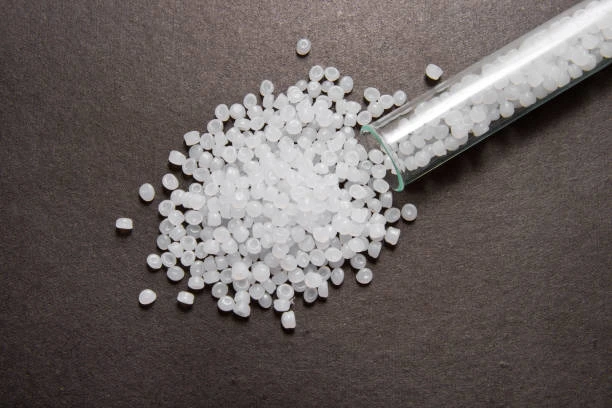
PP Homopolymer H1500 (Injection) - South Korea
Found this useful?