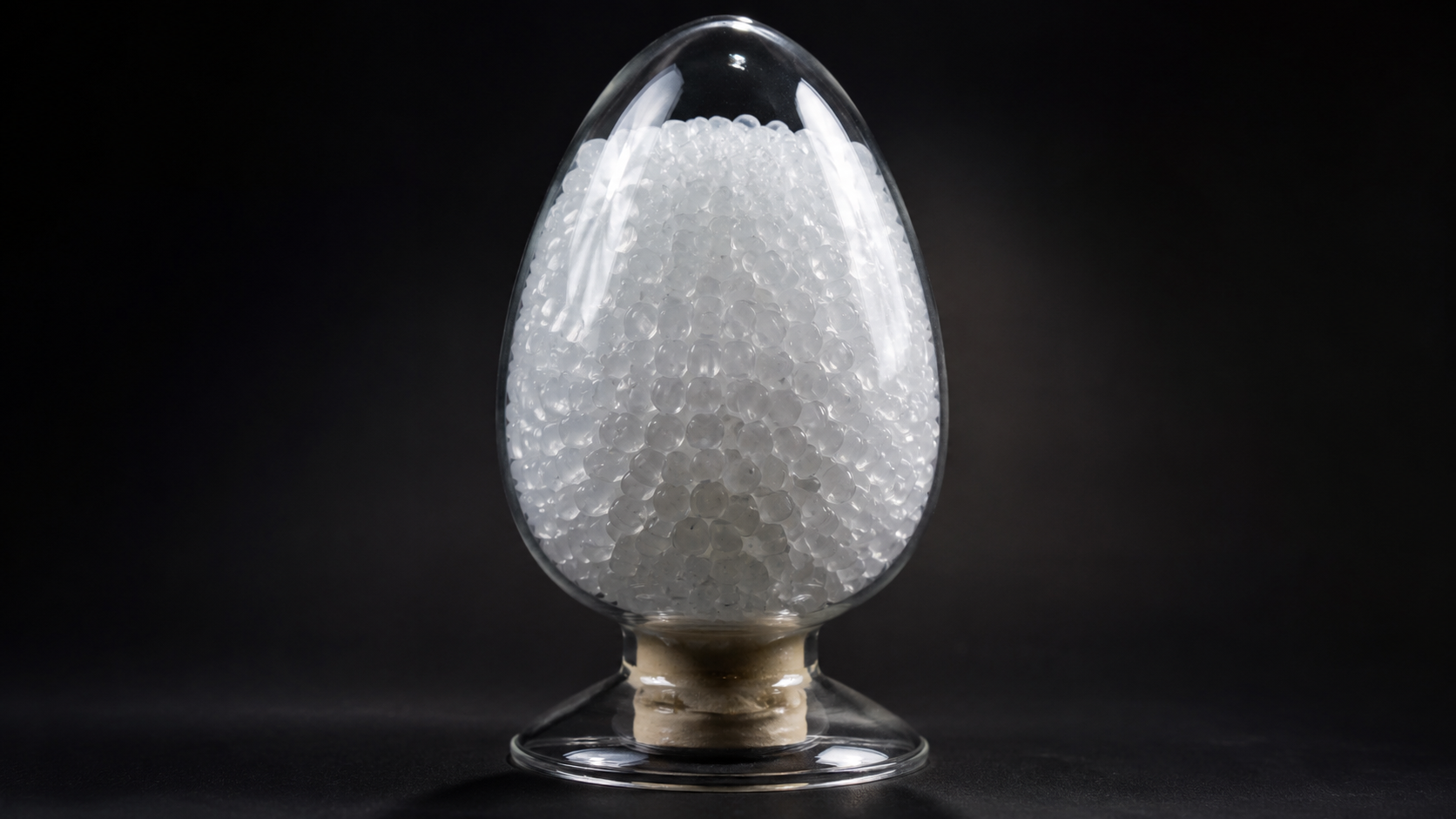
Polypropylene: Why Brent at $79 Is Forcing a Fresh Look at PDH Economics in Asia
The rebound in Brent crude to $79 has changed the conversation around polypropylene procurement across Asia. Only a week ago, many buyers expected improving feedstock conditions as LPG shipments gradually normalized and coastal Chinese PDH operators increased confidence in supply availability.
That outlook has become less certain. The collapse of the July 8 ceasefire has reintroduced concerns around regional energy logistics, particularly for propane flows originating from Qatar and the UAE. As a result, polypropylene buyers in China, India and Southeast Asia now face a more complicated market than they did just days earlier.
For procurement teams planning Q3 purchases, the key issue is no longer simply polymer demand. Feedstock risk, operating rates and supplier reliability have returned to the center of purchasing decisions.
Understanding the PDH Route to Polypropylene
Polypropylene production depends on propylene, which manufacturers obtain through several production pathways. One of the most important routes in China is propane dehydrogenation (PDH).
In a PDH facility, producers convert propane into propylene through a catalytic process. They then polymerize the propylene to manufacture polypropylene grades used in packaging, automotive components, consumer goods and industrial applications.
The PDH route became attractive because it offered:
Greater feedstock flexibility compared with traditional refinery-based production.
Independent propylene production that could operate regardless of refinery output patterns.
Strategic access to imported propane from major Gulf suppliers.
Chinese coastal regions invested heavily in PDH capacity over the past decade, making propane imports a critical component of the country's polypropylene supply chain.
Brent at $79 Changes the Cost Equation
PDH economics depend heavily on propane costs. When crude oil prices rise, LPG values often move in the same direction.
The move from Brent at $72 to Brent at $79 increases the underlying cost base for propane-derived propylene production. Even modest feedstock increases can significantly affect margins because propane represents a major share of total PDH operating costs.
For PDH operators, higher feedstock costs create several possible responses:
Reduce operating rates if margins become unattractive.
Delay non-essential production campaigns.
Prioritize higher-margin polypropylene grades.
Reassess export commitments and spot market sales.
Each of these decisions can influence polypropylene availability across regional markets.
LPG Supply Uncertainty Returns to the Market
Recent improvements in LPG logistics had encouraged some producers to increase confidence in feedstock availability. Coastal PDH operators were gradually seeing better access to imported propane supplies.
The latest geopolitical developments have disrupted that improving sentiment.
Qatar and UAE cargoes remain essential for many Chinese PDH facilities. Any uncertainty affecting shipping schedules, insurance costs, freight availability or cargo movements can immediately influence procurement strategies.
Market participants now face three simultaneous variables:
Uncertain propane availability.
Rising crude-linked feedstock pricing.
Potential changes in PDH operating rates.
This combination creates a more volatile environment than buyers experienced earlier in the month.
Why Polypropylene Buyers Across Asia Should Pay Attention
The impact extends beyond China.
India remains an important importer of polypropylene and polypropylene-based products. Southeast Asian markets also rely on regional trade flows to balance domestic supply and demand.
When Chinese PDH operators adjust production, the effects can spread through the broader Asian polymer market. Buyers may encounter:
Tighter spot availability for selected grades.
Longer lead times from some suppliers.
Increased pricing volatility during negotiations.
Greater emphasis on contract volumes rather than spot purchases.
Companies that depend heavily on quarterly procurement cycles may face additional exposure if they postpone purchasing decisions.
The Trade Flow Picture for Q3 Procurement
The reopening of markets on July 13 arrives at an important moment for buyers evaluating third-quarter requirements.
Waiting for complete diplomatic clarity may appear prudent, but procurement teams often face a different reality. Production schedules, customer commitments and inventory targets rarely pause while geopolitical developments unfold.
Several trade participants now favor confirming at least a substantial portion of planned Q3 requirements rather than relying entirely on future spot purchases.
This approach can provide:
Improved supply visibility during uncertain periods.
Better forecasting for manufacturing operations.
Reduced exposure to sudden feedstock-driven price spikes.
Stronger relationships with strategic suppliers.
The goal is not to eliminate risk completely. The objective is to manage risk before market conditions become more challenging.
Chinese PDH Producers Versus Gulf-Origin Suppliers
Procurement teams increasingly compare sourcing options across multiple supplier groups.
Chinese PDH-based producers offer direct access to one of the world's largest polypropylene manufacturing ecosystems. However, their economics remain closely tied to imported propane availability and pricing.
Gulf-origin suppliers operate within a different framework. Their proximity to feedstock resources can provide certain cost advantages, although broader regional developments may still influence logistics and trade flows.
Rather than viewing these sources as competitors, many buyers now use a diversified sourcing model that combines:
Long-term contract volumes.
Regional supply flexibility.
Multiple origin options.
Strategic inventory planning.
This approach helps reduce dependence on any single market disruption.
Key Signals Procurement Managers Should Monitor
Several indicators deserve close attention during the coming weeks.
Crude oil prices remain the most visible benchmark. Sustained strength above recent levels could continue supporting higher LPG costs.
PDH operating rates provide insight into actual production economics. Lower operating rates may indicate growing margin pressure.
LPG cargo availability from major Gulf exporters remains another critical variable. Supply reliability often matters as much as absolute price levels.
Polypropylene spot market behavior can reveal how quickly feedstock concerns are affecting downstream pricing expectations.
Procurement teams that track these indicators regularly can respond more quickly than those relying solely on monthly purchasing reviews.
Market Outlook for Polypropylene Through the Rest of 2026
The current situation highlights how interconnected energy and polymer markets have become.
Even when polypropylene demand remains relatively stable, shifts in feedstock availability and production economics can alter supply expectations within days. The recent move in Brent prices combined with renewed uncertainty around propane logistics demonstrates this relationship clearly.
While no single factor guarantees tighter supply, the combination of higher feedstock costs and uncertain LPG access creates a more cautious operating environment for PDH producers.
That environment may encourage greater discipline in production planning, inventory management and supplier negotiations throughout the remainder of the year.
What Buyers Should Do Now
The most important procurement decision today may simply be timing.
Many buyers entered July expecting improving conditions and potentially greater flexibility. The latest developments suggest that waiting for complete certainty could become costly if feedstock conditions tighten further.
Procurement managers should review Q3 requirements, evaluate exposure to spot purchases and engage both Chinese PDH-based suppliers and Gulf-origin suppliers regarding volume commitments. Early visibility on supply positions can provide a meaningful advantage if market conditions become more restrictive.
Ready to source polypropylene from verified global suppliers? Explore competitive offers on our platform today.
Polyethylene Terephthalate (PET)
Found this useful?