Polyurethane Chemicals: Market Drivers in Construction, Furniture and Automotive
Polyurethane Chemicals: Market Drivers in Construction, Furniture and Automotive
Polyurethane chemicals are gaining importance across construction, furniture and automotive manufacturing as industries seek materials that combine durability, lightweight performance, insulation, comfort and design flexibility. In 2026, demand is being supported not only by traditional foam applications but also by polyurethane coatings, adhesives, sealants, elastomers and advanced systems.
The global polyurethane market continues to expand, with construction remaining one of its largest application sectors. Grand View Research estimates the global polyurethane market at $92.1 billion in 2026, while construction accounted for the largest application share in 2025.
Construction Drives Demand for Polyurethane Chemicals
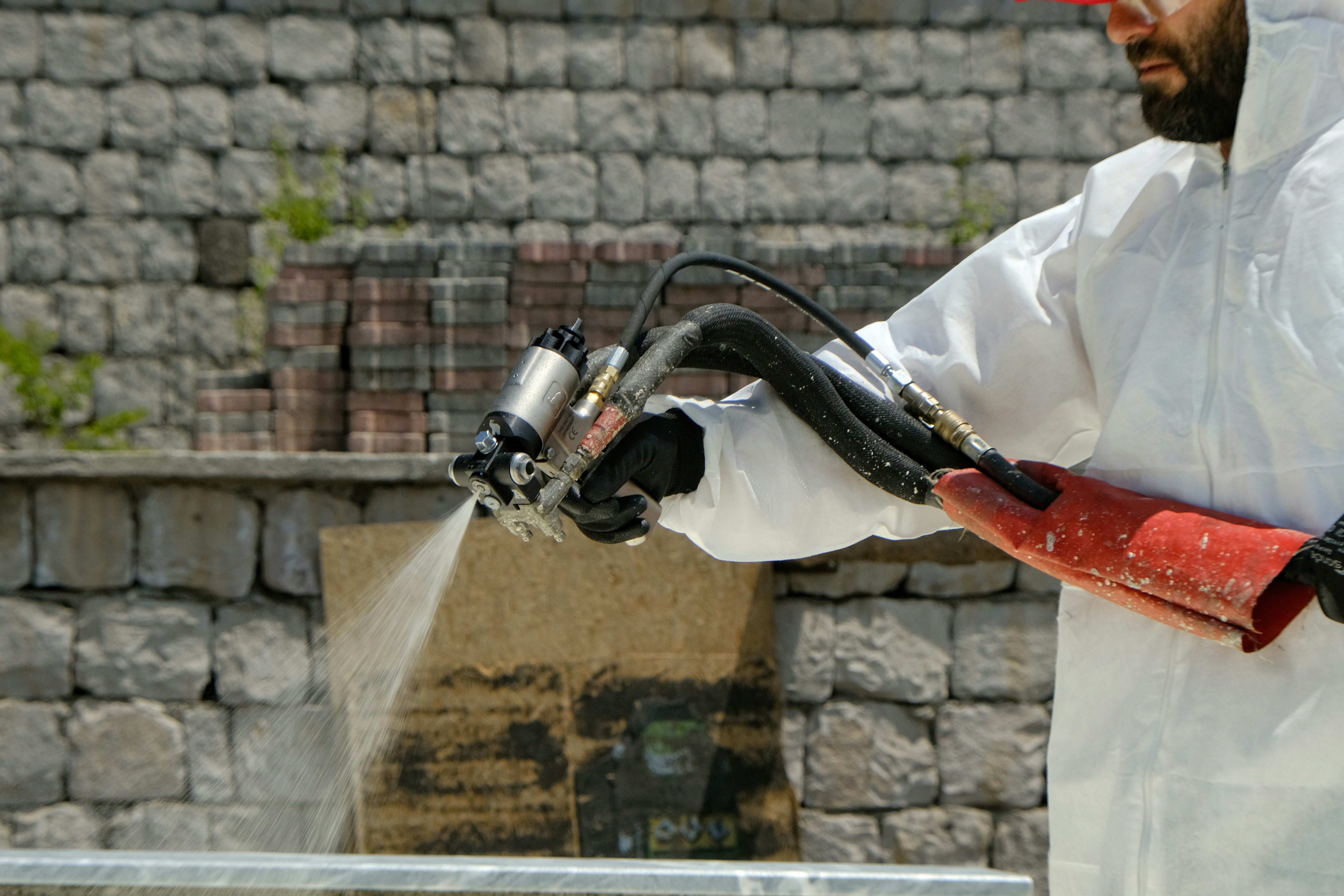
Construction is one of the most important downstream markets for polyurethane chemicals. Polyurethane rigid foam is widely used in building insulation because of its combination of thermal insulation, low weight and durability.
Growing urbanization, infrastructure development and demand for energy-efficient buildings are supporting consumption of polyurethane insulation materials. Rigid polyurethane foam is used in insulation panels, roofing systems, walls and other building applications where reducing heat transfer is important.
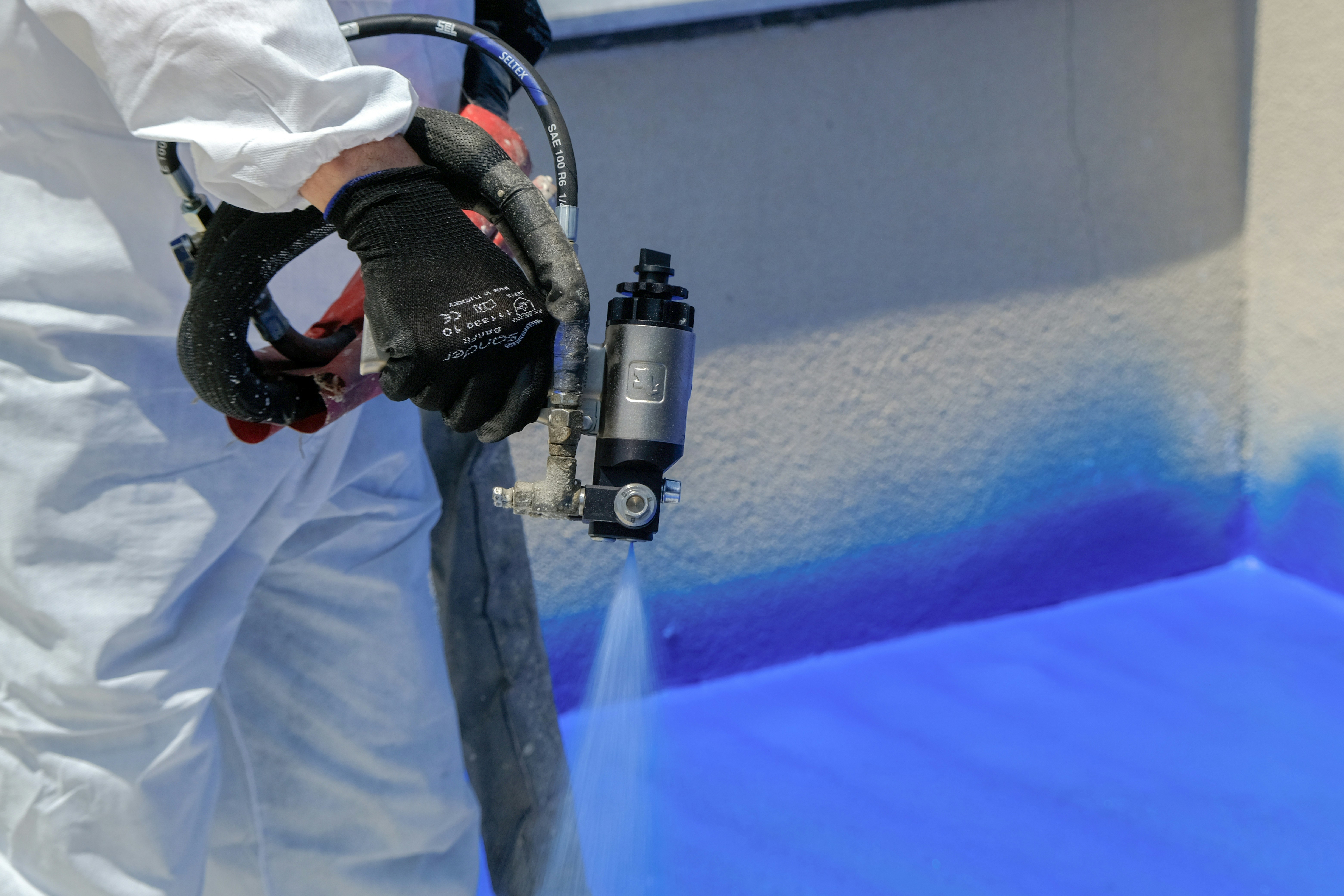
Polyurethane is also used in construction coatings, adhesives and sealants. These products can provide weather resistance, durability and strong adhesion for different building materials.
The construction segment accounted for approximately 26.5% of the polyurethane market in 2025, according to Grand View Research. The company identifies increasing construction spending and the need for sustainable infrastructure as major market drivers.
In the Middle East, large-scale construction programs are creating another source of demand. Saudi Aramco's 2025 industry presentation identified construction expansion and energy-efficient structures among key polyurethane demand drivers in the GCC.
Furniture and Bedding Support Flexible Foam Demand
Flexible PU foam is used in sofas, chairs, mattresses, cushions and other upholstered products because it provides cushioning, resilience and comfort. Furniture manufacturers can also use different foam densities and formulations to achieve specific performance characteristics.
The relationship between polyurethane and furniture is particularly important in Asia, where furniture and mattress production represents a significant flexible-foam market. Recent industry analysis indicates that furniture and bedding remain major outlets for flexible polyurethane foam, although regional demand conditions vary.
Polyurethane coatings also have an important role in furniture manufacturing. They can provide wood and furniture surfaces with protection against abrasion, chemicals and weathering while improving the final appearance. In Asia-Pacific, wood and furniture represented nearly 32% of polyurethane coatings production in 2024, according to industry data reported by PU Magazine.
Automotive Industry Expands PU Applications
Automotive manufacturing is another important market for polyurethane chemicals. PU materials are used in seats, headrests, dashboards, interior components, coatings, adhesives, sealants and other vehicle applications.
One of the major advantages of polyurethane in automotive manufacturing is its ability to deliver lightweight components while maintaining required performance. Lightweight materials can help manufacturers address fuel-efficiency and vehicle-range requirements.
The growth of electric vehicles is also creating opportunities for polyurethane-based materials. Battery packs, vehicle interiors, insulation and adhesive applications can all require materials with combinations of low weight, durability, thermal management and electrical protection.
The automotive industry is therefore shifting polyurethane demand beyond traditional seating foam toward more specialized materials and systems.
Coatings, Adhesives and Sealants Add Higher-Value Demand
The polyurethane market is not limited to foam. Coatings, adhesives, sealants and elastomers (CASE) are increasingly important applications.
Polyurethane coatings are valued for abrasion resistance, chemical resistance, weatherability and UV stability. These properties make them suitable for automotive finishes, construction surfaces, industrial equipment and furniture.
Polyurethane adhesives and sealants are similarly used where strong bonding, flexibility and durability are required. Construction and automotive manufacturing are particularly relevant markets because manufacturers increasingly require materials that can withstand demanding operating conditions.
In India, for example, recent industry estimates indicate that CASE consumption could increase from approximately 125 KT in 2022 to 190 KT in 2026, supported by construction, infrastructure, automotive and industrial applications.
Energy Efficiency Strengthens the Case for Rigid PU Foam
Energy efficiency is becoming an increasingly important market driver for polyurethane chemicals.
Buildings consume substantial amounts of energy for heating and cooling, increasing demand for high-performance insulation materials. Polyurethane rigid foam offers high thermal-insulation performance while requiring relatively little space.
This is particularly relevant in markets experiencing rapid urbanization and high cooling requirements. As building standards become more focused on energy efficiency, insulation materials are expected to remain an important demand area for polyurethane manufacturers.
Asia-Pacific Remains a Major Growth Region
Asia-Pacific is central to the global polyurethane industry because of its large manufacturing base and expanding construction, automotive, furniture and appliance industries.
Grand View Research estimates that Asia-Pacific represented 46.3% of global polyurethane market revenue in 2025. China held the largest country-level share, while expanding industrial and construction activity in countries such as India is supporting additional demand.
India provides an example of this broader regional trend. PUdaily estimates that India's total downstream polyurethane consumption could increase from around 812 KT in 2022 to 1,113 KT in 2026, with flexible foam, CASE and rigid foam among the stronger-performing segments.
Sustainability and Material Efficiency Reshape PU Demand
Sustainability is increasingly influencing polyurethane development across end-use industries.
Construction customers are seeking insulation solutions that can reduce building energy consumption. Automotive manufacturers are looking for lightweight materials that can improve vehicle efficiency. Furniture producers are also under pressure to improve material efficiency and product durability.
At the same time, polyurethane producers are developing lower-emission formulations, waterborne coatings, bio-based raw materials and other alternatives intended to address environmental requirements.
This shift is likely to increase demand for specialized polyurethane systems rather than simply increasing consumption of conventional materials.
Raw Material Demand Remains Closely Linked to Downstream Industries
The production of polyurethane depends heavily on key chemical building blocks such as polyols and isocyanates, including MDI and TDI.
Demand for these raw materials is therefore closely connected to the performance of downstream sectors. Construction growth can increase MDI demand through rigid insulation, while furniture and automotive seating can support TDI and polyether polyol consumption through flexible and molded foam applications.
Market diversification across construction, furniture, automotive, appliances and CASE applications can provide polyurethane producers with multiple demand channels rather than dependence on a single end-use sector.
Market Outlook
The outlook for polyurethane chemicals remains closely tied to construction activity, furniture and bedding production, automotive manufacturing and investment in energy-efficient materials.
Construction is expected to remain a major demand center because of insulation, coatings, adhesives and sealants. Furniture and bedding will continue to support flexible foam consumption, while automotive manufacturers are creating opportunities for lightweight, durable and multifunctional PU materials.
At the same time, growth in CASE applications and higher-performance polyurethane systems could gradually shift the industry toward more specialized and higher-value products.
For polyurethane chemical suppliers, the strongest opportunities are therefore likely to come from energy-efficient construction materials, flexible and molded foams, automotive applications, and performance-oriented coatings, adhesives, sealants and elastomers.
Sources:
Found this useful?