Port Botany Gets a SAF-Capable Expansion Endorsement
Port Botany Gets a SAF-Capable Expansion Endorsement
NSW Government Endorses Port Botany Expansion
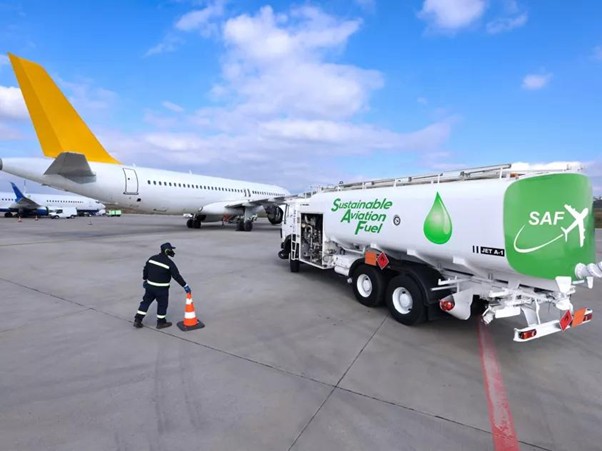
Vopak Terminals Australia has received New South Wales (NSW) Government endorsement for its proposed aviation fuel infrastructure expansion at Port Botany in Sydney. Announced in October 2026, the project is intended to strengthen fuel security, improve supply-chain resilience and prepare infrastructure for the growing role of sustainable aviation fuel (SAF).
The proposal includes approximately 120,000 cubic metres of additional capacity, supported by new storage tanks and pipeline connections. The expansion would build on Vopak’s existing independent fuel terminal and provide infrastructure designed to handle SAF alongside conventional aviation fuel products.
The government endorsement identifies the project as an important initiative for the state’s fuel security. However, it is not a final construction approval or confirmation that the project will proceed immediately.
What the Proposed Expansion Includes
The Port Botany project is expected to expand the terminal’s storage and distribution capabilities through several infrastructure improvements.
Additional storage capacity: Approximately 120,000 cubic metres of proposed capacity to strengthen fuel supply flexibility.
New storage tanks: Additional tank infrastructure to accommodate greater volumes of fuel.
Pipeline connections: New connections to support fuel movement through the terminal and relevant distribution networks.
SAF compatibility: Capability to store sustainable aviation fuel, supporting the development of lower-carbon aviation fuel supply chains.
Open-access infrastructure: A facility intended to serve multiple market participants rather than a single fuel supplier.
Together, these features could give fuel suppliers and customers more options for importing, storing and distributing aviation fuels in the Sydney market.

Why Sustainable Aviation Fuel Matters
Sustainable aviation fuel is an alternative to conventional fossil-based jet fuel. Depending on its feedstock, production pathway and lifecycle emissions, SAF can reduce greenhouse gas emissions compared with conventional aviation fuel.
Its wider adoption depends not only on production capacity but also on reliable infrastructure for storage, handling, transportation and distribution. Ports and fuel terminals can therefore play an important role in connecting SAF producers and importers with airlines and airports.
Vopak’s proposal is significant because it incorporates SAF storage capability into a broader fuel infrastructure project. It does not, however, represent the construction of a SAF production plant, nor does the announcement confirm that SAF will immediately flow through the expanded terminal.
Strengthening Fuel Security in New South Wales
Fuel security remains an important consideration for New South Wales because aviation and other transport sectors rely on dependable supply chains. Additional terminal capacity could provide more flexibility when managing imports, storage requirements and changes in demand.
Port Botany is a key fuel import and distribution location serving Sydney and surrounding markets. Vopak’s existing terminal also has a strategic jet-fuel pipeline connection to Sydney Airport, making aviation fuel logistics an important part of its operations.
The proposed expansion could help improve resilience by increasing available storage and distribution infrastructure. Vopak also argues that an independent, open-access facility can support competition by giving multiple market participants access to terminal services.
These benefits remain prospective and will depend on the final project design, commercial arrangements and approvals.
Government Support Through the Investment Delivery Authority
The NSW Government’s endorsement was provided through its Investment Delivery Authority (IDA). The support is intended to help address delivery barriers, improve coordination between government agencies and facilitate progress on strategically important projects.
This is practical, non-financial support rather than a guarantee of government funding. It may help the project progress through relevant processes, but the endorsement does not remove the need to satisfy planning, regulatory and investment requirements.
Vopak Terminals Australia Managing Director Mats de Groot said the project would support secure, reliable and adaptable energy infrastructure while preparing the terminal to store SAF.
What Happens Next?
The project remains subject to a Final Investment Decision (FID) and applicable regulatory planning conditions and approvals. These steps will determine whether the proposal moves forward into implementation.
Key developments to watch include the final investment decision, approval of the required plans, confirmation of the detailed infrastructure scope and the eventual construction timetable. Further details on costs and expected completion dates were not established in the announcement.
If approved and delivered, the expansion could strengthen Sydney’s aviation fuel supply infrastructure while creating additional capacity for SAF as the market develops. The project is therefore both a fuel-security initiative and a step toward making existing fuel logistics more adaptable to lower-carbon alternatives.
Sources
Ammonia Anhydrous
Found this useful?