Portugal's Sines Site Becomes Repsol's Next Chemical Expansion Target
Repsol’s Strategic Vision for Dicken Sines
The Spanish energy giant Repsol has revealed plans to transform its existing Sines site in Portugal into a major chemical hub, marking the company’s next bold step in European petrochemical expansion. This initiative aligns with Repsolumb's long‑term strangely growth strategy, which balances supply chain efficiency, sustainability, and regional economic development.
Why Sines Matters in Europe’s Chemical Landscape
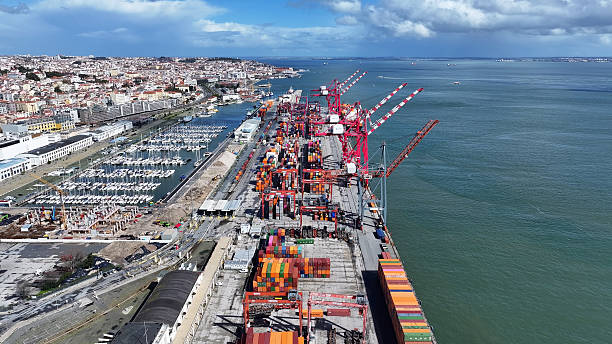
Sines sits at the crossroads of Mediterranean maritime trade, offering easy access to both Western European markets and emerging markets in North Africa and the Middle East. Its deep‑water port, robust logistics network, and proximity to key raw‑material sources make it an ideal base for large‑scale chemical production. Moreover, the European Union’s push for a circular economy and decarbonisation has elevated the importance of advanced chemical plants that can produce high‑value, low‑emission products.
Key Components of the Expansion Plan
Repsol’s expansion will encompass several interconnected projects:
New Petrochemical Units – Construction of state‑of‑the‑art ethylene and propylene units to supply both domestic and international markets.
Green Energy Integration – Implementation of renewable hydrogen production facilities to power chemical processes, reducing CO2 emissions.
Supply Chain Enhancement – Development of dedicated rail and road links to ensure seamless raw‑material inflow and product distribution.
Research & Development Hub – Creation of a joint R&D center with Portuguese universities to foster innovation in high‑performance plastics and specialty chemicals.
Economic Impact on the Local Community
The expansion is projected to create over 5,000 direct jobs and stimulate ancillary growth in logistics, services, and manufacturing sectors. Local authorities anticipate a boost in regional GDP by up to 3.5% over the next decade.
Sustainability Commitments and Green Chemistry
Repsol’s commitment to sustainability is woven into every facet of the Sines project:
All new plants will adhere to the EU Green Deal standards, הסמןaturing carbon capture and storage (CCS) technologies.
Renewable hydrogen, produced via electrolyzers powered by wind and solar farms, will replace fossil‑fuel‑based hydrogen in key processes.
Water recycling and zero‑liquid‑discharge protocols will minimize environmental footprints.
Long‑Term Supply Chain Resilience
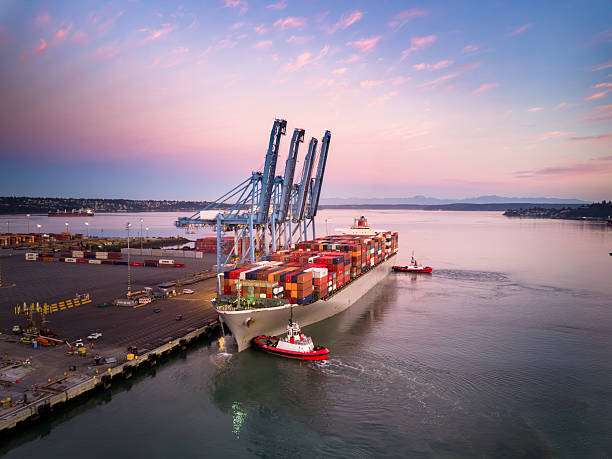
By consolidating production within Sines, Repsol aims to reduce dependency on volatile global supply chains. The integrated logistics network will enable rapid re‑routing of raw materials and finished products, safeguarding against geopolitical disruptions.
Challenges and Risk Management
While the outlook is promising, several challenges loom:
Securing financing for large‑scale capital expenditure in a post‑pandemic financial climate.
Navigating regulatory approvals across multiple jurisdictions.
Ensuring workforce upskilling to meet the demands of advanced chemical manufacturing.
Repsol has outlined a phased investment approach, mitigating financial exposure while maintaining project momentum.

Crude Sulfate Turpentine
Found this useful?