PTA and Paraxylene Prices Slide as De-Escalation Talk Spreads Through Chinese Futures
Global chemical markets experienced a violent pricing correction this week as geopolitical tensions eased. China's futures market saw purified terephthalic acid fall 5.29% and paraxylene fall 4.67% in a single trading session. This massive single day drop immediately wiped out weeks of accumulated war risk premiums across the entire aromatic value chain.
Traders and procurement managers recognize this sudden reversal as a direct response to spreading Middle East de-escalation talks. The physical supply fears that previously inflated crude oil and naphtha benchmarks quickly evaporated. Buyers of polyethylene terephthalate and polyester fibers now face a rapidly shifting cost landscape.
The following sections explore the mechanics behind this futures collapse and outline strategic responses for downstream converters. Understanding these pricing signals is essential for optimizing your raw material purchasing schedules.
The Mechanics of the Single Session Futures Collapse
Chinese commodity exchanges dictate the daily pricing rhythm for basic organic chemicals across Asia. Speculators and physical hedgers trade massive volumes of paper contracts that establish the baseline spot values.
The sudden 5.29% drop in PTA and 4.67% drop in PX represents one of the sharpest single session corrections in recent history. Algorithmic trading systems amplified the downward momentum as soon as geopolitical news headlines crossed the wires.
Margin calls forced highly leveraged speculative buyers to liquidate their long positions immediately. This forced selling created a cascading effect that pushed prices far below intrinsic physical values for several hours.
Physical market participants watched this paper market volatility with extreme caution. Spot traders temporarily withdrew their offers to avoid selling physical cargoes at artificially depressed paper prices.
Middle East De-Escalation and the Crude Oil Link
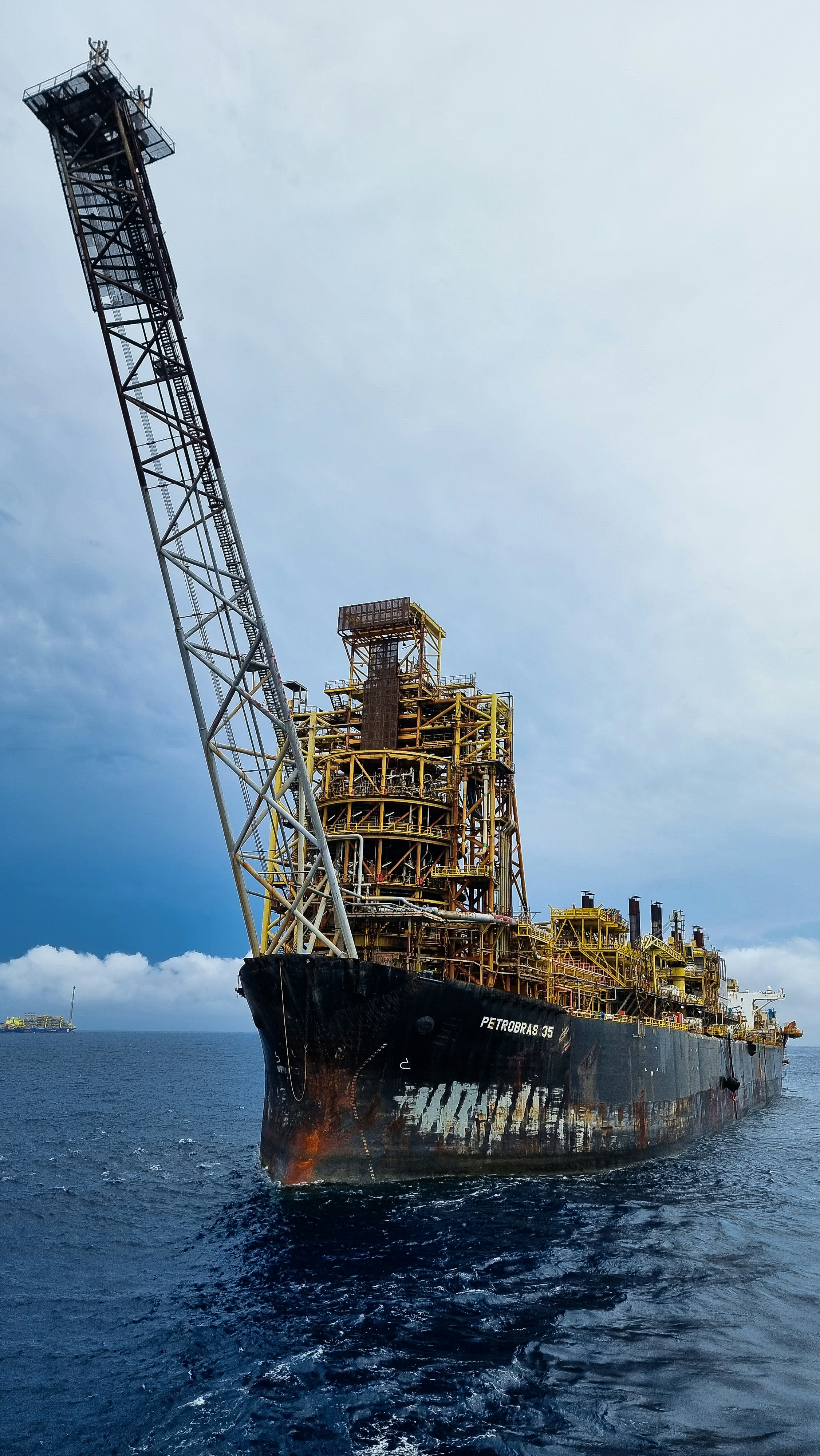
The entire aromatic value chain traces its foundational cost directly back to global crude oil benchmarks. Geopolitical conflicts in the Middle East traditionally inject massive risk premiums into Brent and WTI futures.
Spreading de-escalation talks immediately removed this geopolitical risk premium from the energy complex. Crude oil prices dropped sharply as traders priced in a lower probability of physical supply disruptions.
This crude oil correction transmitted instantly to the naphtha market. Asian refiners saw their primary feedstock costs decline which directly lowered the production floor for downstream aromatics.
The speed of this transmission highlights the deep financial integration between energy and chemical markets. Procurement teams must track geopolitical headlines just as closely as they monitor local inventory levels.
Paraxylene Price Drops and the Refinery Squeeze
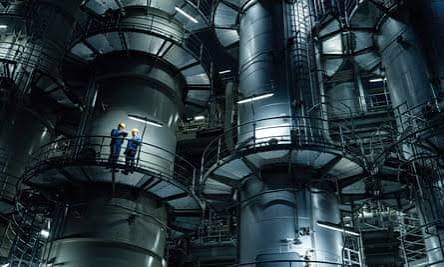
Refineries produce paraxylene by extracting and isomerizing specific aromatic molecules from heavy naphtha reformate. The 4.67% single session drop severely compressed the operating margins for these extraction units.
Asian PX producers face a difficult squeeze when paper prices fall faster than their physical feedstock costs. They must pay historical high prices for naphtha purchased weeks ago while selling their PX output at current depressed spot values.
This negative margin environment forces refinery managers to evaluate immediate operational adjustments. Some operators reduce their reformer throughput to limit their financial exposure to the falling PX market.
Three specific operational responses dominate the current refinery strategy:
Reducing isomerization rates: Operators cut their specific PX extraction yields to minimize losses on every tonne produced.
Diverting reformate: Refineries blend heavy aromatics directly into the gasoline pool when chemical extraction margins turn negative.
Delaying turnarounds: Managers postpone planned maintenance to avoid incurring fixed costs during a period of severe margin compression.
Purified Terephthalic Acid Margins Under Pressure
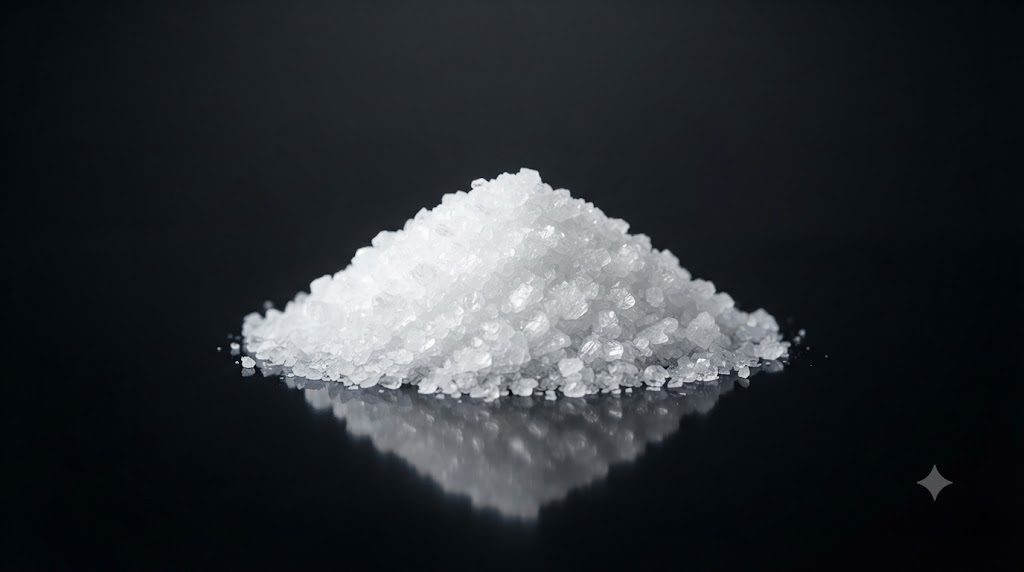
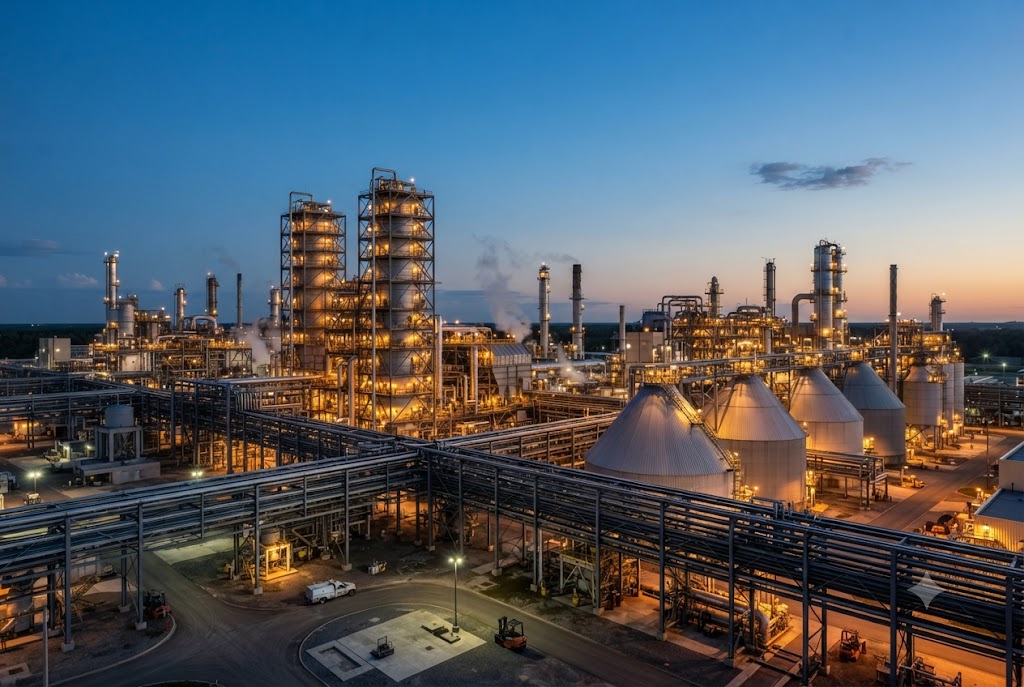
PTA manufacturers oxidize paraxylene to create the foundational white powder used in polyester production. The 5.29% futures collapse devastated the profitability of these specific oxidation plants.
Chinese PTA producers operate on extremely thin margins that rely heavily on high volume and continuous utilization. A sudden 5% drop in their primary selling price instantly pushes many independent plants below their cash breakeven point.
Management teams immediately convened to discuss emergency operating rate cuts. Idling massive oxidation reactors prevents further inventory buildup but incurs heavy restart costs when the market eventually stabilizes.
Integrated producers who capture their own PX feedstock fared slightly better during this single session shock. However even these massive complexes saw their consolidated chemical margins deteriorate rapidly.
Downstream Impacts on PET and Polyester Fibers
The pricing correction eventually reaches the manufacturers of polyethylene terephthalate bottle resin and textile fibers. These downstream converters rely on steady PTA supplies to maintain their continuous polymerization reactors.
PET bottle producers welcome the lower input costs as they prepare for peak beverage packaging seasons. The drop in PTA futures allows them to lock in favorable raw material contracts and improve their own unit economics.
Polyester fiber manufacturers face a more complex environment due to weak global apparel demand. Lower resin costs provide some relief but cannot completely offset the soft retail orders from major Western brands.
Non-woven textile producers also monitor these aromatic shifts closely. They utilize specialized polyester grades for medical and automotive applications where raw material consistency matters more than minor price fluctuations.
Physical Market Versus Paper Market Disconnect
Market participants must recognize the frequent disconnect between highly volatile paper futures and stable physical spot markets. The 5.29% drop occurred primarily on the financial exchanges rather than in actual physical cargo negotiations.
Physical suppliers refused to lower their spot offers by the full 5% immediately after the futures collapse. They argued that their existing high cost PX inventory prevented them from matching the depressed paper prices.
Buyers attempting to secure physical cargoes at the exact futures settlement price faced immediate rejection. Sellers demanded a premium over the paper benchmark to compensate for their physical inventory losses.
This basis spread between paper and physical markets creates significant procurement challenges. Purchasing desks must negotiate based on actual transaction values rather than relying solely on daily exchange settlements.
Trading houses step in to bridge this exact gap by absorbing the basis risk. They offer firm delivered prices that blend the paper market discount with the physical market reality.
The Role of Financial Hedging in Volatile Markets
Corporate purchasing desks utilize sophisticated financial instruments to manage these extreme single session pricing fluctuations. Physical buyers purchase over the counter swaps to lock in their maximum feedstock costs months before the actual cargoes discharge.
These financial contracts settle against the published benchmark pricing at the end of each month. This mechanism guarantees a predictable raw material budget even when the physical spot market experiences violent price spikes.
Traders also use these derivatives to construct complex arbitrage strategies across different global regions. They buy physical cargoes in the Middle East while simultaneously selling financial paper in the Asian markets to capture the geographical spread.
This deep integration between physical supply and financial markets creates a highly efficient global pricing mechanism. Buyers who ignore these hedging tools leave their operating margins completely exposed to sudden geopolitical shocks or refinery outages.
Strategic Sourcing for Polyethylene Terephthalate Buyers
Procurement managers must leverage this pricing correction to secure favorable long term supply agreements. The sudden drop in futures provides an excellent entry point to lock in baseline volumes for the upcoming quarters.
Smart buyers utilize formula based contracts that link their physical purchase price to an average of the daily futures settlements. This averaging mechanism smooths out the extreme single session volatility and provides predictable raw material costs.
Diversifying your supplier base across multiple geographic regions also mitigates localized margin squeezes. Sourcing PTA from both domestic Chinese producers and Middle Eastern exporters ensures continuous supply regardless of local operational cuts.
What Procurement Teams Should Do Now
Navigating extreme single session volatility requires strict discipline and proactive market monitoring. Procurement leaders must separate emotional paper market reactions from fundamental physical supply realities.
Audit your current contract structures to ensure your pricing formulas accurately capture sudden downward corrections. Fixed price agreements negotiated during the geopolitical premium era now represent massive mark to market liabilities.
Engage directly with your primary PTA suppliers to understand their exact operating rate plans following the margin squeeze. Clear communication prevents unexpected force majeure declarations when independent plants decide to idle their reactors.
Build strategic inventory buffers at your local warehouses to protect your polymerization lines from sudden physical shortages. Maintaining deep physical reserves provides crucial leverage during negotiations and shields your operations from supply disruptions.
Adaptability and strict contract management now define success in this highly volatile aromatic market. Ready to source purified terephthalic acid from verified global suppliers? Explore competitive offers on our platform today.
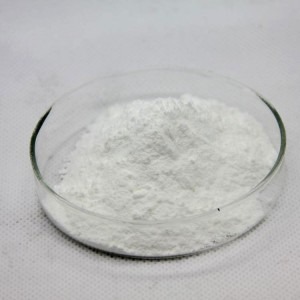
Purified Terephthalic Acid
Found this useful?