Ranking 2026's German Chemical Transition Policy Milestones: Spotlights 2026 Joins the List
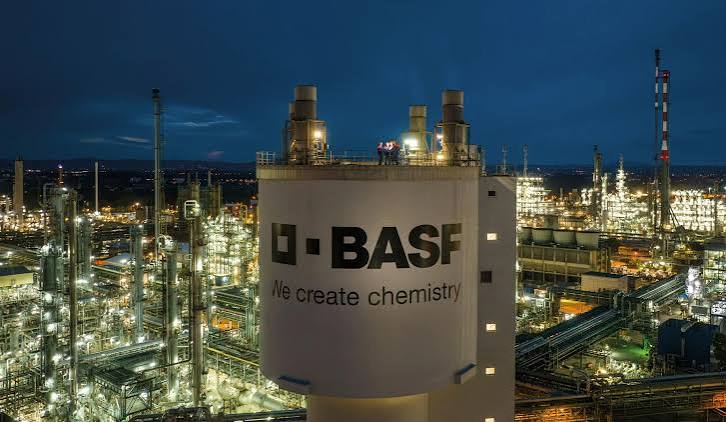
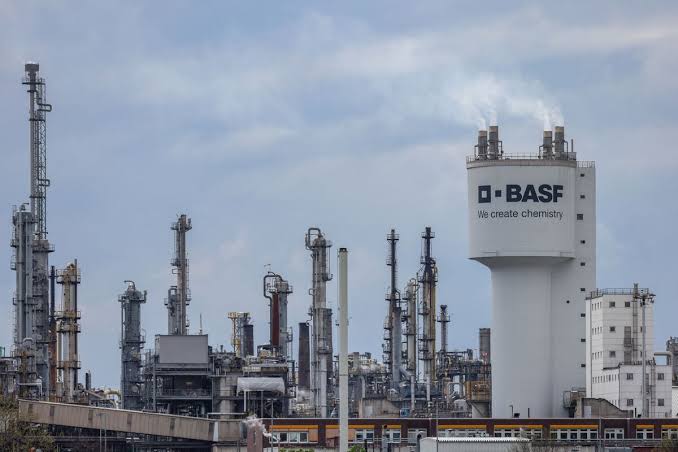
BASF's new Düsseldorf emollients plant provides a useful data point for understanding where the company continues to prioritize manufacturing investment in Germany despite broader weakness across the country's chemical industry.
The contrast between investment in specialty personal-care chemicals and challenges facing more commodity-oriented businesses offers valuable industry intelligence. It suggests that BASF may be focusing capital on higher-value, differentiated businesses where Germany can still provide technological, manufacturing, and customer-access advantages.
Why BASF's Investment Matters
Germany's chemical industry has faced persistent cost pressures, weak demand, and competitiveness challenges. Against this backdrop, continued investment in specialized manufacturing capacity is particularly significant.
The Düsseldorf plant highlights several potential priorities:
Investment in higher-value specialty chemicals
Continued commitment to German manufacturing
Support for personal-care ingredient production
Greater focus on differentiated product portfolios
Closer proximity to European customers
Selective rather than broad-based capital deployment
This makes the project useful for assessing where BASF continues to see long-term competitive advantages in its domestic manufacturing network.
Ranking the Investment Pattern
BASF's 2026 German investment strategy can be evaluated by comparing new projects across different business segments.
1. Specialty Chemicals
Investments in differentiated products such as emollients may offer stronger margins and greater customer specialization.
2. Commodity Chemicals
Commodity businesses remain more exposed to energy costs, global overcapacity, imports, and weaker European demand.
3. Manufacturing Location
Projects that remain in Germany can indicate where BASF believes local technology, skilled labor, infrastructure, and customer proximity continue to justify production.
4. Portfolio Resilience
Comparing investment levels across business units can reveal which segments BASF considers strategically important despite broader market weakness.
Market Implications
Selective investment in specialty manufacturing could have broader implications for Germany's chemical industry.
Potential market impacts include:
Greater shift toward specialty chemical production
Continued restructuring of commodity capacity
Increased focus on higher-margin applications
Stronger competition in personal-care ingredients
More selective German manufacturing investments
Continued changes to Europe's chemical production footprint
The trend suggests that future German chemical investment may increasingly concentrate on businesses with differentiated technology, strong customer relationships, or higher-value applications.
Competitive Intelligence
BASF's Düsseldorf investment provides a useful benchmark for comparing investment priorities across the German chemical industry.
Analysts can track:
Capital investment by business segment
New specialty chemical capacity
Commodity capacity closures
Manufacturing-site utilization
Energy and production costs
European customer proximity
Technology-driven investment
This comparison can help identify which chemical segments remain structurally competitive in Germany despite broader industry challenges.
Acrylic Acid (Glacial) - China
Procurement Considerations
Procurement teams should monitor shifts in chemical manufacturing footprints because selective investment can influence future product availability and sourcing options.
Recommended strategies include:
Track BASF capacity expansions
Monitor German plant closures and restructuring
Review alternative specialty chemical suppliers
Evaluate European versus Asian sourcing
Monitor changes in production locations
Maintain contingency sourcing options
For specialty chemical buyers, investment in new regional capacity can provide opportunities for more secure and localized sourcing.
Looking Ahead
BASF's Düsseldorf emollients investment suggests that the company continues to see value in selected German manufacturing operations even as the broader chemical sector faces significant pressure.
The key industry-intelligence question is not whether BASF will continue investing in Germany, but which businesses will continue to receive capital and why. Specialty chemicals, personal-care ingredients, and other differentiated products may increasingly receive priority over more exposed commodity operations.
For procurement and market-intelligence teams, tracking this selective investment pattern can help identify future supply opportunities and anticipate changes in Germany's chemical manufacturing footprint.
Key Takeaways
BASF's Düsseldorf emollients plant represents continued investment in German specialty chemical manufacturing.
The project contrasts with weakness affecting more commodity-oriented chemical businesses.
BASF appears to be prioritizing differentiated and higher-value applications.
Selective investment could increasingly shape Germany's future chemical manufacturing footprint.
Procurement teams should monitor capacity expansions alongside commodity-sector closures.
Found this useful?