Ranking Celanese's Cost Savings Target Against Peer Restructuring Programs
Celanese is targeting more than $50 million in annualized fixed-cost savings as part of its ongoing restructuring and manufacturing optimization efforts. The target provides a useful benchmark for comparing Celanese's cost-reduction strategy with restructuring programs announced by major chemical peers such as Dow and Evonik during 2026.
For chemical investors, suppliers and procurement teams, the savings target offers insight into how major producers are responding to uneven demand, margin pressure and the need to improve structural competitiveness.
A Focused Cost-Reduction Program
Celanese's more than $50 million annualized fixed-cost savings target represents a meaningful effort to reduce the company's structural cost base.
Rather than relying only on short-term spending cuts, the program includes actions involving:
Manufacturing footprint optimization
Facility closures
Workforce adjustments
Network efficiency
Operational simplification
Portfolio optimization
The objective is to create savings that continue beyond a single quarter.
Manufacturing Optimization Is Central to the Strategy
Celanese has been adjusting its global manufacturing network to better align capacity with demand.
The company completed the closure of its Ulsan, South Korea, Engineered Materials compounding unit, while also completing optimization of its nylon 6,6 manufacturing network. These actions are expected to contribute to the targeted fixed-cost savings.
For chemical manufacturers, reducing underutilized capacity can significantly improve cost absorption and operating efficiency.
Why Fixed-Cost Savings Matter
Fixed costs can become particularly burdensome when chemical volumes decline.
Expenses such as:
Plant maintenance
Labor
Utilities
Site operations
Administrative functions
Equipment overhead
continue even when production volumes fall.
Reducing these costs can therefore improve margins without requiring higher selling prices.
The Strategy Goes Beyond Cost Cutting
Celanese's program is also connected to its broader portfolio strategy.
The company is focusing resources on businesses and applications where it sees stronger long-term opportunities while reducing exposure to less attractive manufacturing configurations.
This approach allows restructuring to serve two purposes:
Lower costs + stronger portfolio positioning.
How It Compares With Chemical Peers
Celanese's target is particularly relevant when compared with restructuring programs across the broader chemical sector.
Major producers such as Dow and Evonik have also pursued cost reductions, footprint optimization and organizational restructuring as the industry faces weak demand and persistent cost pressures.
The difference between these programs lies not only in the headline dollar figure but also in:
Savings as a percentage of revenue
Speed of implementation
Number of facilities affected
Workforce impact
Capital expenditure requirements
Expected margin improvement
These measures provide a more meaningful comparison than headline savings alone.
Savings Can Improve Earnings Quality
Recurring fixed-cost reductions can have a greater long-term impact than temporary cost benefits.
If Celanese achieves more than $50 million in annualized savings, the improvement should continue to support earnings after the initial restructuring period.
This could strengthen margins even if overall chemical demand remains relatively flat.
Pricing Alone Is Not Enough
Chemical producers have historically relied on pricing actions to recover inflation and raw-material increases.
However, pricing power can weaken when:
Global capacity increases
Demand slows
Imports rise
Customers reduce inventories
Competitors lower prices
Structural cost reduction gives producers another way to protect profitability.
Celanese's strategy therefore reflects a broader industry shift toward improving competitiveness through internal efficiency.
Procurement Teams Should Watch Capacity Changes
Restructuring can have direct implications for chemical buyers.
When facilities close or production networks are consolidated, customers may experience changes in:
Product availability
Lead times
Regional sourcing
Contract terms
Minimum order quantities
Logistics costs
Procurement teams should therefore monitor Celanese's manufacturing-network changes alongside its pricing announcements.
Potential Benefits for Remaining Facilities
Reducing less-efficient capacity can also improve utilization at remaining plants.
Higher utilization can spread fixed costs across larger production volumes, potentially improving unit economics.
This creates an opportunity for Celanese to become more competitive without necessarily increasing overall industry capacity.
The Timing Matters
Celanese's cost program comes at a time when many chemical companies are reassessing their operating structures.
Persistent challenges include:
Weak industrial demand
Global overcapacity
High energy costs
Competitive imports
Volatile raw materials
Uneven regional growth
The industry is increasingly focused on protecting margins even when revenue growth remains limited.
The Main Risk Is Execution
Cost-saving targets do not automatically translate into realized savings.
Celanese must successfully execute facility closures, organizational changes and manufacturing optimization while avoiding disruptions to customers.
The company also needs to ensure that cost reductions do not compromise:
Product quality
Supply reliability
Innovation
Customer service
Long-term growth investments
Execution will therefore determine how much of the targeted $50 million ultimately reaches the bottom line.
Looking Ahead
Celanese's more than $50 million annualized fixed-cost savings target provides a useful benchmark for evaluating the scale of restructuring across the global chemical industry.
Compared with programs at peers such as Dow and Evonik, Celanese's approach illustrates how chemical manufacturers are increasingly combining capacity optimization, portfolio restructuring and operational efficiency to defend margins.
The real measure of success will not be the announced savings figure.
It will be how much of the targeted savings becomes recurring cash flow and whether the restructuring creates a more competitive manufacturing platform through 2027 and beyond.
For chemical investors, suppliers and procurement teams, Celanese's program is therefore another indicator that structural cost discipline is becoming a permanent feature of chemical-industry strategy rather than a temporary response to the current cycle.
Key Takeaways
Celanese is targeting more than $50 million in annualized fixed-cost savings.
Manufacturing-network optimization is a major part of the program.
The company has completed the closure of its Ulsan, South Korea, compounding unit.
Nylon 6,6 manufacturing-network optimization has also been completed.
Fixed-cost reduction can provide recurring margin benefits even without stronger demand.
Celanese's strategy can be compared with restructuring programs at Dow, Evonik and other chemical peers.
Capacity optimization can improve utilization at remaining manufacturing sites.
Facility changes may affect product availability, logistics and sourcing for customers.
Successful execution will determine how much of the targeted savings is ultimately realized.
The program highlights the chemical industry's broader shift toward structural cost competitiveness.
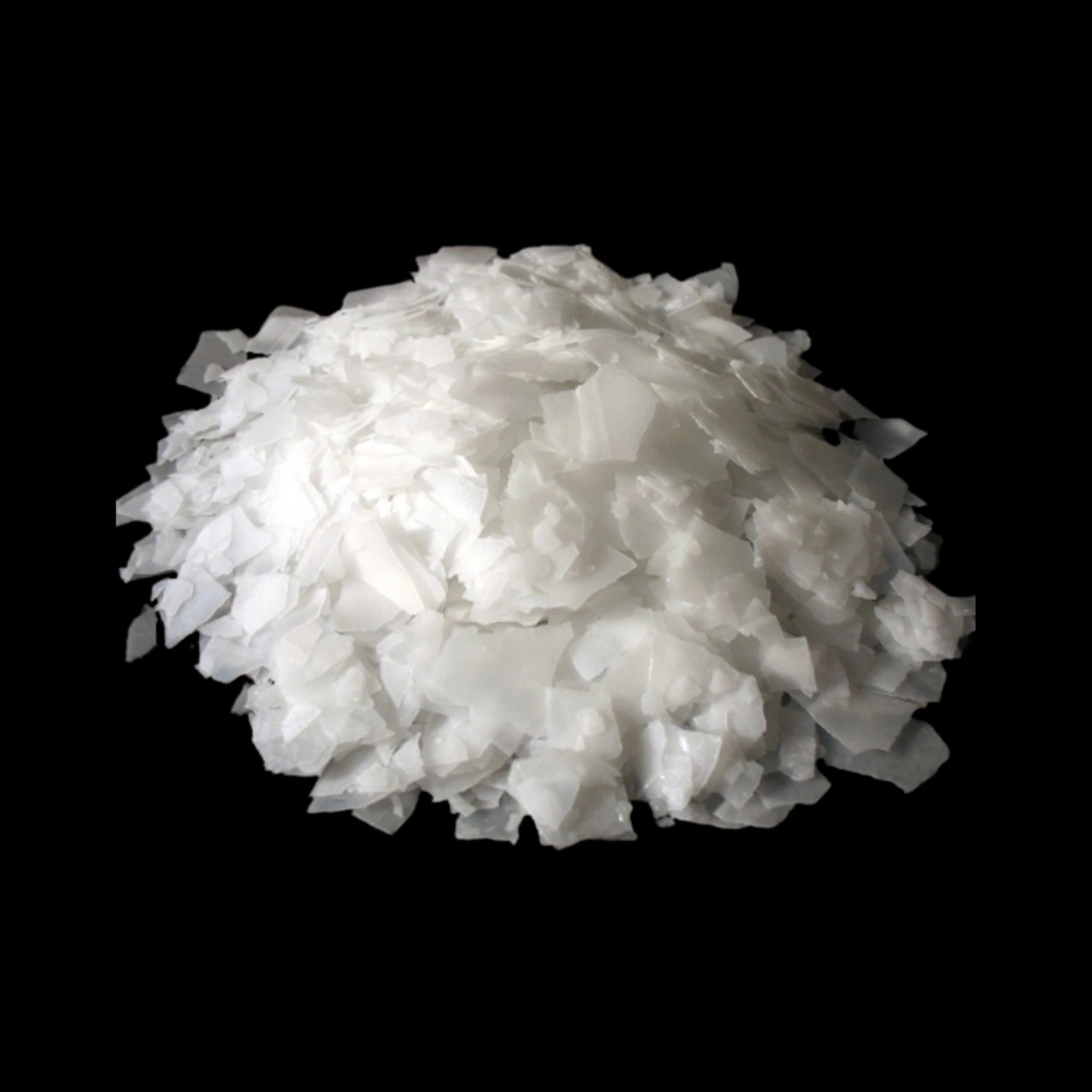
Caustic Soda Flakes
Found this useful?