Chemours delivered one of the more striking cash-generation improvements of the 2026 chemical earnings season, with second-quarter free cash flow reaching $114 million, up 128% from $50 million a year earlier. The improvement came despite relatively flat sales and lower adjusted EBITDA, making the cash-flow turnaround particularly notable.
For chemical investors, lenders, suppliers and procurement teams, the result offers an important benchmark for evaluating Chemours' financial recovery, working-capital management and progress toward reducing its leverage.
A Significant Cash-Flow Recovery
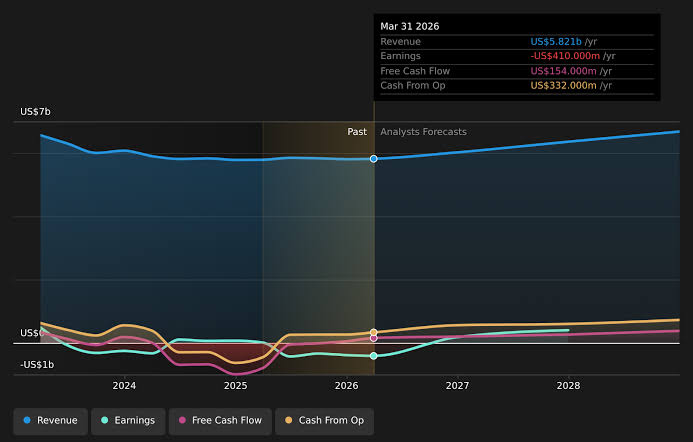
Chemours generated $114 million in free cash flow during Q2 2026, compared with $50 million in Q2 2025.
Operating cash flow increased to $158 million from $93 million, while capital expenditures remained relatively stable at $44 million versus $43 million a year earlier.
The result demonstrates that the company's cash-generation improvement was driven primarily by stronger operating cash flow rather than a major reduction in capital spending.
Working Capital Was a Major Driver
Improved net working capital performance played an important role in the turnaround.
The company specifically attributed the stronger free cash flow to improvements in working capital, helping convert operating performance into cash more effectively.
For a chemical manufacturer, this is particularly important because inventory, receivables and supplier payments can create substantial swings in quarterly cash generation.
Free Cash Flow Conversion Reached 46%
Chemours reported 46% free cash flow conversion, compared with 19% in the same quarter of 2025.
That means the company converted a significantly larger portion of its adjusted EBITDA into actual free cash during the quarter.
The improvement provides a useful measure of the quality of the earnings recovery.
The Turnaround Came Despite Lower EBITDA
Chemours' adjusted EBITDA declined to $247 million from $260 million year over year.
This makes the 128% free cash flow improvement even more notable.
Rather than relying on stronger EBITDA alone, Chemours benefited from better cash conversion and working-capital performance.
Debt Reduction Adds to the Significance
Chemours used available cash to reduce debt during the quarter.
The company paid down €230 million of its B-3 Euro-denominated term loan, using proceeds from a land sale and organic cash flow.
Net leverage consequently declined to 4.4x, compared with 4.6x in the previous quarter.
The Balance Sheet Remains a Key Watchpoint
Despite the improvement, Chemours still carries substantial debt.
At the end of June, gross debt stood at approximately $3.9 billion, while net debt was approximately $3.2 billion.
Management is targeting a long-term net leverage ratio below 3x and expects leverage to reach approximately 3.8x by the end of 2026.
That makes continued free cash flow generation strategically important.
Pricing Also Supported the Business
Chemours continued implementing pricing actions across its portfolio.
The company announced an additional global TiO₂ price increase effective June 1, contributing to approximately a 5% year-to-date TiO₂ price increase in net sales.
Pricing discipline therefore remains an important component of the company's broader financial recovery.
Specialty Materials Provide Another Growth Signal
Chemours' Advanced Performance Materials business is also benefiting from demand in higher-value applications.
Performance Solutions sales increased 42% sequentially, supported by demand from data-center and semiconductor markets.
This shift toward specialty applications could help improve the quality and resilience of future cash generation.
Why the Cash-Flow Improvement Matters
The 128% improvement matters because free cash flow provides Chemours with flexibility that accounting earnings alone cannot provide.
Strong cash generation can be used for:
For a highly leveraged chemical company, debt reduction is particularly important.
Procurement Teams Should Also Pay Attention
Chemours' financial position can influence its commercial strategy.
Procurement teams and customers should monitor:
Improving cash flow could provide greater flexibility for maintaining and upgrading manufacturing assets.
The Full-Year Outlook Remains Positive
Chemours continues to expect 2026 net sales growth of 1% to 5%, adjusted EBITDA of $775 million to $825 million, and free cash flow conversion above 25%.
The company expects capital expenditures of approximately $250 million to $280 million for the full year.
This suggests management expects cash generation to remain positive while continuing to invest in the business.
The Next Test Is Sustainability
One strong quarter does not establish a permanent turnaround.
The key question for Chemours is whether the Q2 improvement can continue as:
Seasonal demand changes
Working-capital requirements fluctuate
Capital spending increases
TiO₂ markets evolve
Refrigerant demand weakens
Debt obligations remain significant
The third quarter will therefore provide an important test of the durability of the recovery.
Looking Ahead
Chemours' 128% year-over-year free cash flow improvement provides one of the clearest financial recovery signals from the company's Q2 2026 results.
The move from $50 million to $114 million in quarterly free cash flow was supported by stronger operating cash flow and improved working-capital performance rather than simply higher EBITDA.
The improvement also allowed Chemours to reduce debt and lower net leverage, supporting its broader balance-sheet strategy.
The critical question now is whether the company can turn this sharp quarterly improvement into consistent cash generation capable of accelerating deleveraging through 2026 and beyond.
Key Takeaways
Chemours' Q2 2026 free cash flow reached $114 million, up 128% year over year.
Operating cash flow increased to $158 million from $93 million.
Free cash flow conversion improved to 46% from 19%.
Working-capital improvements were a major contributor to the cash-flow turnaround.
The improvement occurred despite adjusted EBITDA declining 5% year over year.
Chemours paid down €230 million of its euro-denominated term loan.
Net leverage declined to 4.4x.
Management is targeting approximately 3.8x net leverage by year-end 2026.
Specialty-material demand from data centers and semiconductor markets provides an additional growth opportunity.
Sustaining strong free cash flow will be critical to Chemours' longer-term deleveraging strategy.