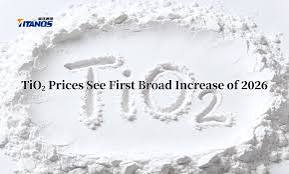
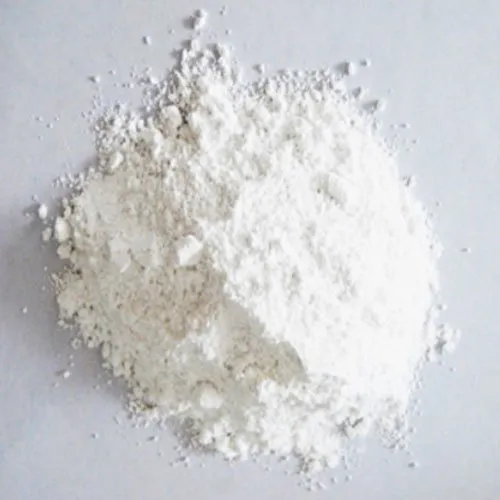
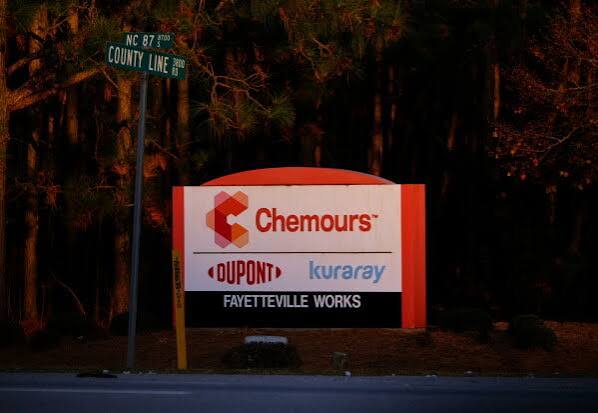
Chemours' series of titanium dioxide (TiO₂) price increases in 2026, cumulatively reaching approximately 5% year to date, provides a notable benchmark for pricing power in a pigment market that continues to face challenging demand and competitive pressures.
For chemical buyers, traders, coatings manufacturers and procurement teams, the increases are important because they show that producers can still push through higher prices even when broader TiO₂ market conditions remain under pressure.
A 5% Increase in a Challenged Market
Chemours' cumulative 5% TiO₂ price increase is particularly notable because the pigment market has not been operating under straightforward supply-demand conditions.
Producers continue to face pressure from:
Against this backdrop, successful price increases indicate that Chemours has retained some degree of pricing leverage.
Why Titanium Dioxide Pricing Matters
TiO₂ is a critical white pigment used to provide opacity, brightness and durability.
Major applications include:
Paints and coatings
Plastics
Printing inks
Paper
Construction materials
Consumer products
Because TiO₂ is used across so many downstream industries, changes in pigment pricing can affect manufacturers well beyond the chemical sector.
Chemours' Position in the TiO₂ Market
Chemours is one of the world's major TiO₂ producers through its Ti-Pure™ business.
Its scale gives the company significant exposure to global pigment-market conditions.
The ability to implement multiple price increases during 2026 suggests that Chemours has been attempting to protect margins rather than relying solely on higher volumes.
This is particularly relevant in a market where volume growth may remain difficult to achieve.
Pricing Power Versus Volume Growth
For chemical companies, pricing can sometimes compensate for weaker volumes.
A producer does not necessarily need significant volume growth to increase revenue if it can successfully raise prices.
However, sustained pricing power depends on customers' willingness and ability to absorb higher costs.
If downstream producers face weak demand, they may resist increases or switch to alternative suppliers.
Chemours' cumulative 5% increase therefore provides an important test of how much pricing power remains in the TiO₂ market.
Feedstock Costs Influence Pricing Decisions
TiO₂ production is exposed to several important raw-material and energy costs.
Changes in feedstock, energy and transportation expenses can influence producers' pricing strategies.
When costs increase, producers often attempt to pass some of that pressure through to customers.
The challenge is determining how much of the increase the market will accept.
Chemours' 2026 pricing actions suggest that at least part of those cost and margin pressures can still be transferred downstream.
Global Competition Limits Pricing Power
TiO₂ remains a highly competitive global market.
Producers in Asia, Europe and the Americas compete for customers across major downstream industries.
Chinese production capacity in particular has become increasingly important to global pigment trade flows.
This creates a ceiling on pricing power because customers can potentially compare regional suppliers when negotiating contracts.
For coatings, plastics and other TiO₂-intensive manufacturers, a 5% increase can have a direct impact on material costs.
Procurement teams should therefore evaluate:
Long-term contracts can provide greater price stability, but buyers should also avoid excessive dependence on a single producer.
Coatings Manufacturers Are Particularly Exposed
Paint and coatings producers are among the largest TiO₂ consumers.
Because pigment can represent a meaningful portion of formulation costs, price increases can pressure margins.
Manufacturers may respond by:
Raising finished-product prices
Reformulating products
Improving pigment efficiency
Switching suppliers
Reducing inventory exposure
The ability to pass TiO₂ increases through to customers will therefore vary across downstream markets.
The 5% Benchmark Provides a Useful Industry Comparison
Chemours' cumulative increase can be used as a benchmark against pricing actions by other major TiO₂ producers.
Comparing companies on:
can provide a clearer picture of industry-wide pricing discipline.
A 5% cumulative increase is more meaningful when evaluated alongside actual market demand and producer utilization.
Pricing Power Does Not Guarantee Strong Earnings
Higher prices can improve revenue and margins, but only if volumes remain sufficiently stable.
If customers respond to price increases by reducing purchases or switching suppliers, the benefit can be partially lost.
Chemours therefore needs to balance pricing discipline with maintaining customer relationships and market share.
What Traders Should Monitor
Chemical traders tracking TiO₂ should watch several indicators through the remainder of 2026:
Together, these indicators can reveal whether the current pricing environment is sustainable.
Looking Ahead
Chemours' approximately 5% cumulative TiO₂ price increase in 2026 stands out as a useful pricing-power benchmark in a challenging pigment market.
The significance is not simply the size of the increase.
It is the fact that Chemours has been able to pursue higher pricing despite uneven downstream demand and intense global competition.
For buyers, the development means TiO₂ costs should remain an important procurement variable through the rest of 2026.
For producers, it demonstrates the value of maintaining pricing discipline when market conditions allow.
Ultimately, the key question will be whether Chemours can retain these price gains without sacrificing significant volume or market share. If it can, the 5% increase could become an important indicator of stronger pricing power across the broader TiO₂ market.
Key Takeaways
Chemours' TiO₂ price increases have reached approximately 5% cumulatively in 2026.
The increases are notable given challenging pigment-market conditions.
TiO₂ is essential to coatings, plastics, paper and other downstream industries.
Global competition, particularly from Asian producers, continues to limit pricing power.
Higher pigment costs can directly pressure downstream manufacturers' margins.
Procurement teams should monitor supplier pricing, availability and alternative sources.
Chinese export volumes remain an important indicator for global TiO₂ pricing.
Pricing gains will be more valuable if Chemours can maintain volumes and customer relationships.
The 5% increase provides a useful benchmark for comparing pricing actions across TiO₂ producers.
The sustainability of Chemours' pricing power will depend on demand, capacity utilization and global competition.