Ranking China's Export Timing Tools Against Its Earlier 2026 Trade Restrictions
China remains one of the world's most influential suppliers of industrial chemicals and fertilizer products. Consequently, even temporary adjustments to its export policies can quickly influence international commodity markets.
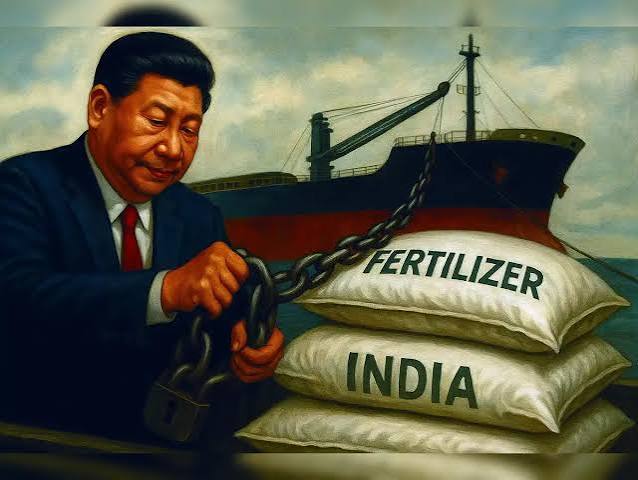
The latest phosphate export halt extends a pattern that first became visible earlier in 2026, when tighter export restrictions affected urea shipments. While the specific products differ, analysts increasingly view both measures as examples of a broader strategy centered on export timing rather than permanent export prohibition.
For fertilizer buyers, chemical distributors and procurement professionals, understanding this distinction is increasingly important. Export timing measures can reshape global supply availability, influence pricing expectations and alter purchasing behaviour long before physical shortages emerge.
Export restrictions are not always permanent bans.
Governments may instead use temporary timing measures designed to influence when products enter international markets.
These policies can include:
Delayed export approvals.
Shipment scheduling controls.
Administrative licensing.
Seasonal export management.
Customs processing adjustments.
Temporary shipment suspensions.
Unlike permanent trade restrictions, timing measures preserve future export opportunities while providing policymakers greater flexibility to respond to changing domestic market conditions.
The Earlier Urea Restrictions Established a Pattern
Earlier in 2026, urea exports experienced tighter administrative controls that affected international shipment timing.
Those actions drew considerable attention because China remains a major participant in global fertilizer markets.
Although the objective focused on domestic market management, international buyers experienced reduced supply visibility.
The latest phosphate measures extend this broader approach.
Rather than representing an isolated event, analysts increasingly interpret the phosphate halt as another example of strategic export timing designed to balance domestic priorities with future export flexibility.
Why Phosphate Matters Globally
Phosphate products remain essential inputs for agricultural production worldwide.
They support manufacturing of:
Phosphate fertilizers.
Compound NPK products.
Industrial phosphates.
Animal nutrition products.
Food processing ingredients.
Water treatment chemicals.
Changes affecting phosphate exports therefore influence multiple downstream industries beyond agriculture alone.
Even temporary shipment delays can affect purchasing schedules across global fertilizer supply chains.
Comparing Phosphate and Urea Restrictions
Although phosphate and urea serve different market segments, both cases demonstrate similar policy characteristics.
Common features include:
Temporary implementation.
Administrative export management.
Flexible policy adjustments.
Strong domestic market considerations.
Significant international pricing influence.
The primary difference lies in product-specific market dynamics rather than the broader policy approach.
For procurement teams, the practical implication remains similar: export timing can significantly affect availability without requiring a permanent export ban.
Why Timing Matters as Much as Volume
Commodity markets respond rapidly to uncertainty.
Even when total annual export volumes remain relatively unchanged, delayed shipments may create temporary supply tightness.
This can influence:
Consequently, export timing itself becomes a meaningful market variable independent of total production.
Procurement professionals therefore monitor shipment schedules alongside production capacity.
Procurement Teams Should Focus on Supply Visibility
For buyers, uncertainty often creates greater operational challenges than price alone.
When export timing becomes less predictable, procurement teams may experience:
Longer lead times.
Reduced shipment visibility.
Inventory planning challenges.
Supplier allocation changes.
Higher logistics complexity.
Increased working capital requirements.
Maintaining multiple sourcing options becomes increasingly valuable under these conditions.
Diversified procurement strategies help reduce dependence on individual export schedules.
Market Psychology Amplifies Policy Announcements
Commodity prices frequently react before physical shortages appear.
Policy announcements alone may encourage:
Earlier purchasing.
Distributor stock building.
Supplier price adjustments.
Increased futures activity.
Inventory accumulation.
This behavioural response can temporarily tighten markets even when physical production remains unchanged.
Export timing measures therefore influence both actual supply and market expectations.
Global Fertilizer Trade Becomes More Dynamic
The fertilizer market increasingly responds to policy developments alongside traditional supply-and-demand fundamentals.
Important variables now include:
Export licensing.
Domestic agricultural priorities.
Shipping availability.
Energy markets.
Seasonal fertilizer demand.
Trade policy adjustments.
Monitoring these indicators together provides procurement teams with a more complete understanding of market direction.
Lessons for Chemical and Fertilizer Buyers
Recent developments reinforce several important procurement principles.
Companies should:
Diversify supplier networks.
Monitor export policy announcements.
Maintain flexible inventory strategies.
Track shipping schedules.
Evaluate regional supply alternatives.
Review contract flexibility.
These practices reduce exposure to temporary policy-driven market disruptions.
Rather than reacting after restrictions are announced, proactive procurement planning allows businesses to respond more effectively.
Looking Beyond Individual Policy Events
China's phosphate export halt and earlier urea restrictions illustrate a broader evolution in commodity market management.
Rather than relying exclusively on permanent trade measures, policymakers increasingly possess flexible tools capable of influencing export timing without fundamentally changing long-term production capacity.
For commodity markets, this creates an environment where policy timing becomes almost as important as production volumes.
Companies that continuously monitor both factors will generally make more informed procurement decisions.
Final Takeaway
China's latest phosphate export halt reinforces a pattern of export timing management first observed earlier in 2026 through tighter urea export controls.
Although the products differ, both cases demonstrate how temporary administrative measures can significantly influence global fertilizer markets without requiring permanent export bans.
For procurement professionals, the key lesson extends beyond any single policy announcement.
Understanding export timing, shipment visibility and administrative trade measures has become an increasingly important component of modern commodity intelligence.
As fertilizer markets continue responding to evolving trade policies, organisations combining policy monitoring with diversified sourcing strategies will be better positioned to manage supply risk and maintain operational stability.
Ready to source Monoammonium Phosphate (MAP 11-52-0) from verified global suppliers? Explore competitive offers on our platform today.