Corporate restructuring has created a new category of legal risk for the chemical industry: disputes over whether liabilities were properly separated from businesses and assets during corporate spin-offs.
The California litigation involving DuPont-related entities is particularly notable because it goes beyond conventional environmental contamination claims. The case raises questions about whether corporate restructuring and asset transfers can affect the ability of creditors or government claimants to recover environmental liabilities.
That makes the dispute useful to track alongside more traditional chemical-sector litigation involving contamination, product liability, regulatory enforcement, and bankruptcy.
For investors and chemical-market intelligence teams, the significance extends beyond one company. The case illustrates how historical environmental liabilities can follow corporate structures long after businesses have been separated.
Why Spin-Off Liability Litigation Matters
Chemical companies frequently use corporate restructuring to:
Separate business units
Create publicly traded companies
Simplify portfolios
Raise capital
Transfer assets
Separate legacy liabilities
Prepare businesses for sale
These transactions can create substantial legal complexity when historical liabilities remain unresolved.
A spin-off can therefore create a critical question:
Which company ultimately remains responsible for liabilities associated with the historical business?
California's DuPont Case Is Unusual
California's litigation involving DuPont, Chemours and Corteva is notable because it challenges aspects of the corporate restructuring that separated the businesses.
The state's allegations include claims concerning transfers of assets and insurance rights and whether those transactions improperly limited the ability of creditors to pursue recovery.
These are allegations rather than established findings.
That distinction is important because the ultimate legal outcome remains subject to judicial review.
Nevertheless, the theory makes the case unusual compared with conventional chemical litigation.
Traditional Chemical Litigation Follows a Different Pattern
Most major chemical litigation falls into more familiar categories.
These include:
In those cases, the central question is generally whether a company caused harm, violated a legal obligation, or failed to meet a contractual or regulatory requirement.
Corporate spin-off litigation asks a different question:
Did the restructuring itself improperly affect the allocation or recoverability of liabilities?
The Corporate Structure Became Part of the Dispute
This is what makes the California case particularly important from an intelligence perspective.
The dispute can involve analysis of:
The legal analysis therefore extends into corporate finance and transaction structuring.
Why Chemical Companies Are Especially Exposed
Chemical companies frequently own assets with long environmental lives.
A chemical facility can operate for decades and create obligations involving:
Soil contamination
Groundwater
Waste disposal
Emissions
Product exposure
Site remediation
A corporate transaction may occur years after those potential liabilities originated.
This creates a mismatch between:
The age of the liability
and
the ownership structure that exists when the claim is brought.
Spin-Offs Can Create Long-Tail Risk
A company may separate a business today while historical claims emerge years later.
The resulting chain can look like:
Historical operations → corporate restructuring → asset transfer → spin-off → environmental claim → liability dispute
This is particularly important for chemicals because environmental claims can emerge long after production has stopped.
How to Rank Chemical Litigation
A useful 2026 litigation ranking should consider more than the size of the damages claimed.
1. Novelty of Legal Theory
Does the case introduce a new or unusual theory of liability?
2. Financial Exposure
How significant could the potential liability become?
3. Industry Precedent
Could the court's decision influence other chemical companies?
4. Corporate Structure
Does the case involve spin-offs, successor liability, or asset transfers?
5. Environmental Impact
Does the dispute involve significant contamination or public-health concerns?
6. Legal Stage
Is the matter merely alleged, actively litigated, settled, or judicially resolved?
Why Legal Theory May Matter More Than Dollar Value
A conventional environmental settlement may involve a large dollar amount but have limited implications beyond the specific parties.
A novel corporate-liability case can have a smaller immediate financial value while creating much greater precedent risk.
If courts establish that certain restructuring arrangements can be challenged years later, chemical companies may need to reconsider how they structure:
The potential industry impact could therefore exceed the immediate damages claim.
The Role of Environmental Liabilities
Environmental liabilities are particularly relevant because they can be:
A company cannot necessarily assume that transferring an asset also transfers every future legal consequence associated with that asset.
The precise allocation depends on transaction documents and applicable law.
M&A Due Diligence Becomes More Important
The case also highlights the importance of historical transaction analysis during chemical M&A.
Potential buyers should examine:
Prior spin-offs
Asset transfers
Indemnification agreements
Environmental liabilities
Insurance policies
Litigation history
Intercompany transactions
Successor-liability provisions
This can reveal risks that are not obvious from a company's current operating structure.
Implications for Chemical Investors
Investors should monitor corporate restructuring alongside conventional financial metrics.
Important signals include:
A restructuring may improve strategic focus while simultaneously creating new legal uncertainty.
Implications for Procurement Teams
Procurement professionals may also have reason to monitor these disputes.
A major legal challenge involving a chemical producer can affect:
Legal risk does not automatically translate into supply disruption.
However, significant restructuring or financial pressure can influence long-term supplier reliability.
Conventional Environmental Cases Remain Important
The novelty of the California case should not overshadow more conventional litigation.
Chemical companies continue to face disputes involving:
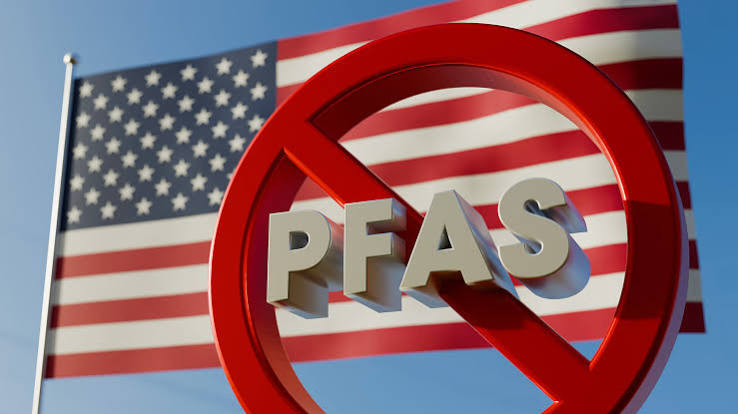
PFAS contamination
Groundwater pollution
Hazardous waste
Product exposure
Occupational claims
Regulatory enforcement
These cases remain financially important because settlement and remediation costs can reach substantial levels.
A Three-Tier Chemical Litigation Framework
For industry intelligence, chemical litigation can be divided into three broad categories.
Tier 1 — Conventional Liability
Examples include contamination, product liability, and regulatory claims.
Primary risk: financial damages and remediation costs.
Tier 2 — Financial and Restructuring Litigation
Examples include bankruptcy, creditor disputes, and distressed-asset claims.
Primary risk: recovery of assets and financial restructuring.
Tier 3 — Corporate-Structure Liability
Examples include successor liability, fraudulent-transfer claims, and disputes involving spin-offs.
Primary risk: precedent affecting future corporate transactions.
The California DuPont dispute fits particularly well within the third category.
The Precedent Question
The most important intelligence question is whether the litigation produces a legal precedent that changes how companies structure future transactions.
Potential implications could extend to:
Even if the specific case ultimately settles, the legal arguments surrounding it can influence future transaction design and due diligence.
What Companies Should Learn
Chemical companies planning major restructurings should consider:
Clearly documenting liability allocations
Conducting independent asset valuations
Reviewing insurance rights
Maintaining adequate reserves
Assessing creditor implications
Reviewing environmental liabilities
Preserving documentation of transaction rationale
These steps can reduce uncertainty if historical liabilities later become contested.
Looking Ahead
Corporate restructuring is likely to remain an important feature of the chemical industry as companies respond to:
Overcapacity
High energy costs
Weak commodity margins
Portfolio simplification
Decarbonization
Capital requirements
As restructuring accelerates, disputes over legacy liabilities may become more significant.
The California DuPont case therefore deserves attention not simply because of the parties involved, but because it illustrates a broader question:
How far can corporate restructuring separate a company's current business from the liabilities created by its historical operations?
That question could become increasingly important across the chemical sector.
Key Takeaways
California's DuPont litigation represents a relatively novel form of chemical-sector legal dispute centered on corporate restructuring and liability allocation.
The case involves allegations concerning asset and insurance-right transfers; these remain allegations rather than established findings.
Conventional chemical litigation continues to focus heavily on contamination, PFAS, product liability, and regulatory claims.
Corporate spin-off disputes can have significant precedent value even when immediate damages are uncertain.
Chemical companies with long-lived environmental liabilities face particular exposure to successor and restructuring disputes.
M&A due diligence should include historical spin-offs, asset transfers, indemnities, insurance, and environmental obligations.
Investors should track legal structure alongside financial and operational metrics.
Procurement teams should monitor major litigation when it could affect ownership, investment, or supplier continuity.