Ranking Europe's Chemical Earnings Season: Temporary Boost or Genuine Recovery?
Europe's Q2 2026 chemical earnings season is emerging as one of the most important reporting periods since the industry's post-pandemic recovery began. Investors, procurement professionals and chemical traders are looking beyond headline profit numbers to answer a more important question: Are European chemical companies finally experiencing genuine demand recovery, or are stronger earnings simply the result of temporary geopolitical pricing support?
The distinction is critical.
Higher profits alone do not necessarily indicate healthier markets. Companies can report stronger earnings because product prices rise while shipment volumes remain weak. Likewise, genuine recovery usually becomes visible through increasing production, stronger customer orders, higher plant utilisation and sustained improvements in sales volumes.
For procurement teams across the chemical industry, understanding the real driver behind earnings growth will influence purchasing decisions, inventory planning and supplier negotiations throughout the remainder of 2026.
Why This Earnings Season Matters More Than Previous Quarters
European chemical manufacturers have faced one of the most challenging operating environments in recent history.
Over the past several years, producers have navigated:
Elevated energy costs
Weak industrial manufacturing
Customer inventory reductions
Rising financing costs
Soft export demand
Global geopolitical uncertainty
Many companies responded by reducing operating rates, controlling costs and postponing expansion projects.
Against this backdrop, stronger Q2 earnings naturally attract attention.
However, investors and procurement professionals know that quarterly profits alone cannot confirm an industry recovery.
The real question is whether customers are buying more chemicals—or simply paying higher prices.
Ranking the Two Competing Recovery Narratives
Current analyst discussions generally fall into two distinct scenarios.
Scenario One: Genuine Demand Recovery
Under this interpretation, stronger earnings result from expanding industrial activity.
Key indicators include:
Higher shipment volumes
Stronger customer orders
Increasing plant utilisation
Better export performance
Growing manufacturing activity
Stable long-term pricing
This represents the healthiest recovery because it reflects improving market fundamentals rather than temporary market disruptions.
Scenario Two: Temporary Pricing Recovery
The second interpretation argues that recent earnings have benefited primarily from conflict-related pricing.
Potential drivers include:
Under this scenario, profitability improves even though underlying demand remains relatively weak.
While financially positive in the short term, this type of recovery may reverse quickly if geopolitical conditions stabilise.
Why Volume Growth Remains the Strongest Indicator
Chemical markets ultimately depend on physical demand rather than pricing alone.
Volume growth generally reflects healthier industrial activity across manufacturing, construction, automotive, electronics and consumer industries.
Analysts therefore pay particular attention to:
Companies reporting stronger earnings alongside improving sales volumes provide much stronger evidence that demand is recovering sustainably.
In contrast, earnings supported mainly by higher selling prices often prove less durable once market conditions normalise.
For procurement teams, shipment volumes deserve at least as much attention as earnings growth itself.
Conflict-Driven Pricing Can Distort Financial Results
Recent geopolitical developments have influenced several important cost components throughout the chemical industry.
Higher oil prices, increased freight rates, insurance premiums and logistics disruptions have affected production costs globally.
Many producers have attempted to recover these higher expenses through pricing adjustments.
This creates an important distinction.
Higher prices can temporarily improve earnings without increasing the amount of chemical products actually sold.
Procurement professionals should therefore distinguish between:
The first suggests structural recovery.
The second often depends on external market conditions that may change rapidly.
Strong earnings become significantly more convincing when accompanied by operational improvements.
Procurement teams should carefully examine management commentary regarding:
When these indicators improve alongside profitability, confidence in the recovery increases substantially.
Companies that rely primarily on pricing usually provide less encouraging operational updates.
These differences often become clearer during earnings conference calls than within headline financial statements.
Energy Markets Continue Influencing European Competitiveness
Although energy prices have moderated compared with previous peaks, they continue influencing European chemical manufacturing economics.
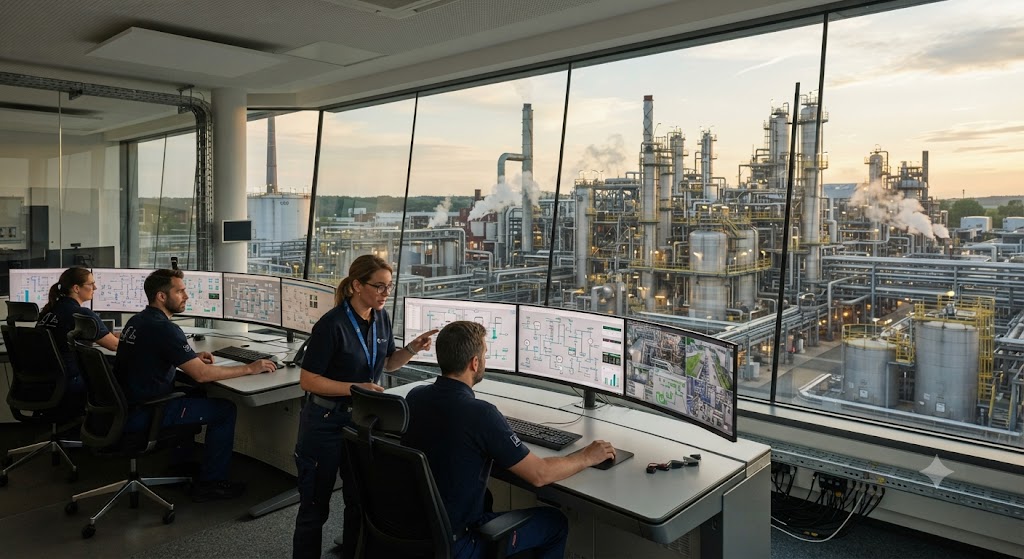
Natura"A photorealistic interior of a modern European chemical manufacturing control room overlooking large industrial processing facilities through panoramic glass windows. Engineers monitor digital production systems while chemical storage tanks, reactors and pipelines operate efficiently outside. The atmosphere conveys improving industrial activity, operational efficiency and manufacturing recovery. Premium editorial industrial photography, ultra-realistic, natural daylight, no charts, no graphs, no text, no labels, no logos."
l gas remains one of the industry's largest production cost components.
Electricity prices also affect numerous energy-intensive chemical processes.
If earnings improve despite relatively stable energy costs, analysts become more confident that operational performance—not merely pricing—is driving profitability.
Conversely, earnings supported primarily by temporary feedstock inflation deserve greater scrutiny.
Companies demonstrating both operational improvements and disciplined cost control generally present stronger long-term investment cases.
Customer Inventories Continue Shaping Demand
Inventory behaviour remains another major factor influencing chemical earnings.
Many downstream manufacturers spent much of the past two years reducing inventory after earlier periods of overstocking.
The next stage of recovery depends upon customers rebuilding inventories because production activity genuinely improves—not simply because they fear supply disruptions.
Analysts therefore distinguish between:
Only the first provides sustainable support for future earnings.
Procurement teams should monitor customer inventory commentary throughout earnings presentations.
Which Chemical Segments Could Recover First?
Recovery is unlikely to occur evenly across the chemical industry.
Several higher-value segments continue demonstrating greater resilience.
These include:
Commodity chemical markets may require stronger industrial production before experiencing sustained volume growth.
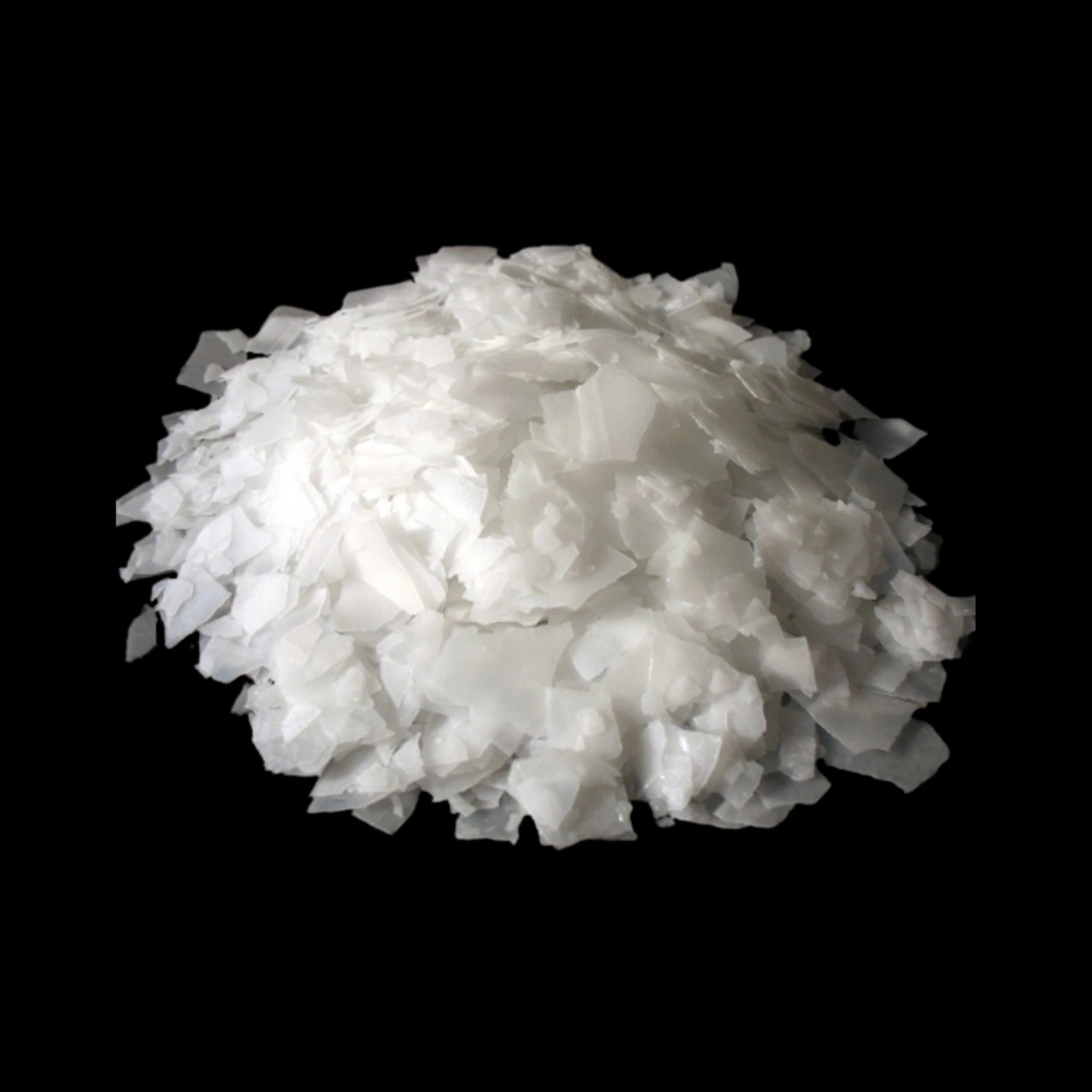
Products such as Caustic Soda Flakes remain closely linked to broader manufacturing activity, making them useful indicators of underlying industrial demand.
Forward Guidance Will Determine Market Confidence
Historical earnings describe the previous quarter.
Forward guidance determines investor confidence.
Management expectations regarding Q3 and Q4 will therefore receive particular attention.
Important indicators include:
Companies forecasting improving volumes generally reinforce confidence that recovery extends beyond temporary pricing benefits.
Supplier Behaviour Provides Additional Intelligence
Supplier behaviour frequently confirms whether management optimism is justified.
Procurement teams should monitor:
Longer quotation validity
Stable contract pricing
Improved delivery reliability
Increased production availability
Fewer allocation programs
Greater willingness to negotiate
These commercial signals often provide earlier evidence of genuine recovery than published financial statements alone.
What Procurement Teams Should Watch Next
Rather than focusing on one earnings season, procurement professionals should evaluate broader market trends.
Important indicators include:
European manufacturing PMI
Industrial production data
Chemical plant operating rates
Customer inventory levels
Export demand
Feedstock prices
Energy markets
Freight conditions
When several indicators strengthen simultaneously, confidence in the recovery increases considerably.
Final Takeaway
Europe's Q2 2026 chemical earnings season represents an important turning point for the industry.
Stronger financial results are encouraging, but procurement professionals should resist drawing conclusions from earnings alone.
The strongest evidence of genuine recovery will come from improving shipment volumes, expanding industrial production, healthier customer demand and rising plant utilisation.
Conflict-driven pricing can temporarily lift profits, but sustainable recovery requires customers to consume more chemicals—not merely pay higher prices.
Over the coming quarters, analysts will continue comparing operational performance with pricing trends to determine whether Europe's chemical sector has entered a lasting expansion or is simply benefiting from extraordinary geopolitical conditions.
For procurement teams, disciplined monitoring of earnings, supplier behaviour and physical demand indicators will remain the most reliable approach to navigating an evolving chemical market.
Ready to source Caustic Soda Flakes 99% from verified global suppliers? Explore competitive offers on our platform today.